
Lakes usually bring to mind swimming, picnics, lazy afternoons, and the chance to cool off, but there are some that do the exact opposite. They are known for toxic water, unsettling histories, or strange natural conditions that turn them into places people approach with caution rather than beach towels. A few even hold bodies that stayed preserved far longer than anyone would expect.
Boiling Lake

Credit: Wikimedia Commons
In the mountains of Dominica, water in this volcanic vent reaches about 194°F, hot enough to cause life-threatening burns. The area around it is situated within a geothermal zone where steam constantly rises. Hikers reach it by trails that have caused several deaths because the terrain is rough and unpredictable. A drop in the water level in 1901 released toxic gases that killed two people.
Lake Kivu

Credit: Wikimedia Commons
Lake Kivu, a huge African body of water, stores deep layers of carbon dioxide and methane under pressure. The gases can burst out in what scientists call a limnic eruption, which already happened twice in Cameroon during the 1980s. Millions of people live near Lake Kivu and could be at risk if an earthquake or volcanic event disrupts the water. The lake covers about 1,000 square miles and has more trapped gas than the smaller lakes that exploded in Cameroon.
Salton Sea
Credit: Wikimedia Commons
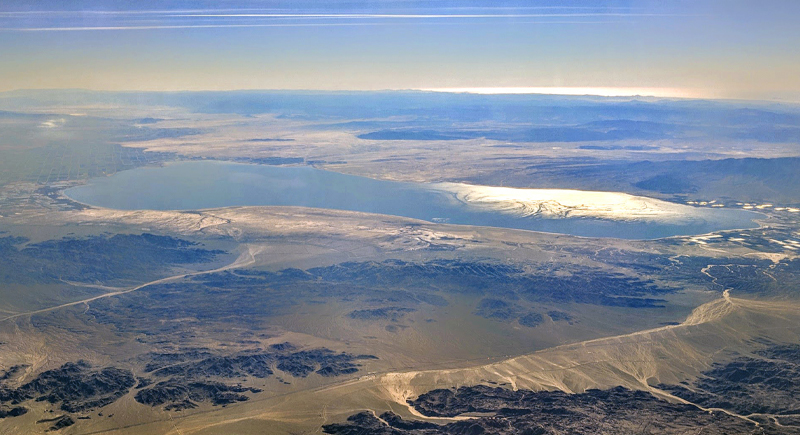
Southern California’s largest lake began in 1905 when the Colorado River flooded an empty basin. The water had no natural outlet, which caused rising salinity as it evaporated over decades. Agricultural chemicals from nearby farms washed into the lake and built up, turning it into a polluted basin. About 97% of its fish died off, leaving piles of decaying fish along the shore.
Lake Natron
Credit: Wikimedia Commons
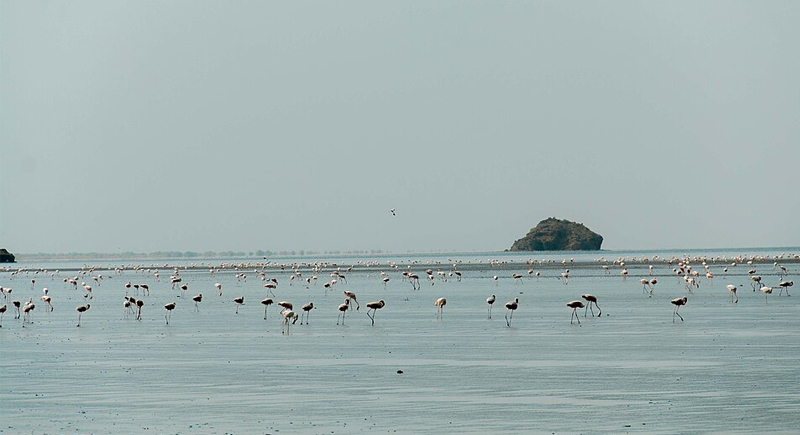
This Tanzanian lake gets its punch from natron salts that can dry out organic material. Animals that fall into the water often turn into preserved, statue-like remains. The lake’s chemistry is influenced by a volcano that produces lava with unusual minerals. The water can appear bright red because algae thrive in alkaline conditions. Millions of lesser flamingos gather here to breed and eat those same algae.
Roopkund Lake

Credit: Wikimedia Commons
High in the Himalayas of India, this tiny lake holds hundreds of human skeletons that emerge when the snow melts. DNA studies conducted in 2019 revealed that the remains belonged to distinct groups that died centuries apart. The oldest remains date to about 800 A.D. and likely belonged to South Asian travelers. Later remains from around 1800 A.D. had Eastern Mediterranean ancestry, and even one person with Southeast Asian roots.
Lake Baikal
Credit: Wikimedia Commons
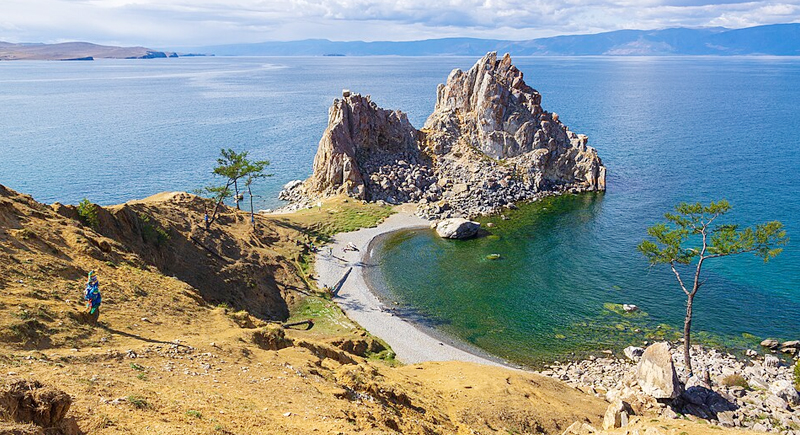
Siberia’s Baikal holds the world record as the world's deepest freshwater lake, with a depth of over 1 mile. More than 300 rivers flow into it, bringing sediment that would usually fill a lake. Baikal avoids this fate because it lies in a rift valley that pulls apart and funnels sediment downward. Scientists consider it the oldest existing lake based on geological records.
Lake Vostok
Credit: Wikimedia Commons
Antarctica hides this subglacial lake under about two miles of ice. Russian research teams spent more than 20 years attempting to drill down to it. When they finally reached the lake, pressurized water surged up the borehole and froze. The lake stays liquid because of pressure and possible geothermal heat. It remains one of the least reachable bodies of water on Earth.
Lake Karachay

Credit: Wikimedia Commons
This Russian lake once held staggering amounts of radioactive waste from a Soviet nuclear facility. Radiation levels became high enough that standing near the water for an hour could cause severe poisoning. As the lake shrank, winds carried radioactive dust into nearby towns. Authorities eventually filled the lake with concrete blocks to stop further contamination.
Lake Superior
Credit: Wikimedia Commons
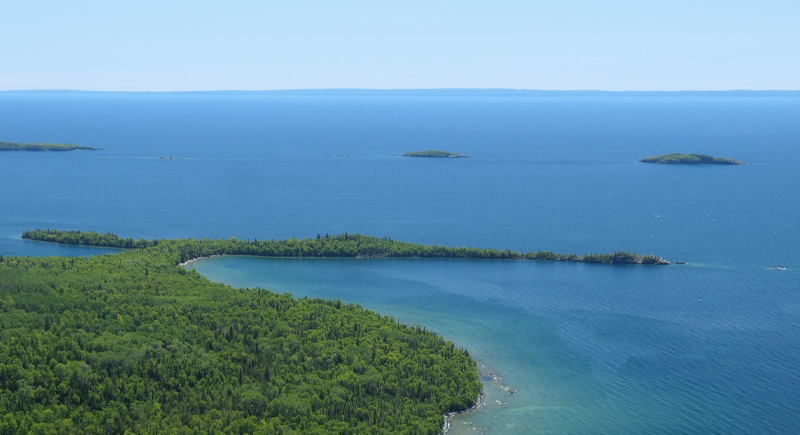
The largest Great Lake holds hundreds of shipwrecks due to fierce November storms. The Edmund Fitzgerald sank in 1975 and now sits 500 feet underwater, where visiting the site is restricted because it serves as a gravesite. Isle Royale’s SS Kamloops sank in 1927 near a rocky shore. Divers exploring the ship in 1977 found a preserved body nicknamed Old Whitey that moves with underwater currents.