
When people talk about American wine, the same names come up every time. You hear Napa, Sonoma, maybe Oregon, if someone wants to sound informed. Meanwhile, there’s a much larger map outside that conversation.
Across the country, there's a broader wine landscape that gets far less attention but delivers excellent quality. Winemakers here are working with unfamiliar climates, unexpected soils, and local traditions to build something distinct that makes them worth exploring.
New York

Credit: pexels
The Finger Lakes region has a well-defined identity. The deep glacial lakes help control temperature, which protects vineyards during cold winters and supports a longer growing season. This climate produces Rieslings with a crisp, tart finish and a clean, structured feel instead of excessive sweetness. Many producers also grow Grüner Veltliner and other cool-climate grapes.
Michigan

Credit: Wikimedia Commons
Michigan’s wine industry is shaped by its geography. The Leelanau and Old Mission Peninsulas extend into Lake Michigan, which moderates temperature extremes and extends the growing season. These conditions favor aromatic whites like Riesling and Pinot Grigio, as well as lighter reds. Production remains relatively small, which allows many wineries to stay closely involved at every step.
Washington

Credit: Wikimedia Commons
The Columbia Valley is large, dry, and shaped by volcanic soils, which gives winemakers significant control over irrigation and grape development. The region is widely known for Cabernet Sauvignon and Syrah, wines with bold, defined tannins and clear fruit flavors that are easy to identify on the palate. The dry climate and long growing season allow grapes to ripen fully without losing their natural acidity.
Colorado
Credit: Getty Images
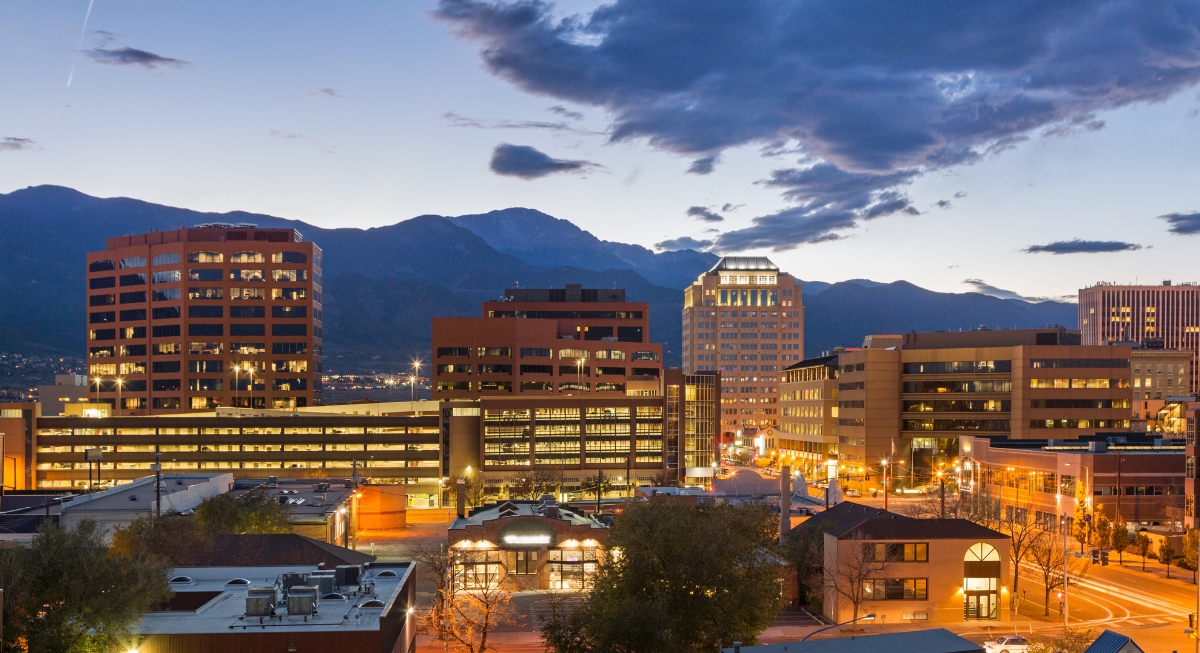
Colorado’s vineyards are located at elevations that challenge traditional expectations. Many are planted above 4,000 feet, where sunlight is intense and nighttime temperatures drop quickly. This contrast allows grapes to develop intense, sugary ripeness while retaining their natural tartness. The Grand Valley has become the center of production and produces bold reds and whites with a noticeable stony, mineral edge linked to the rocky soil.
Texas

Credit: Canva
Texas Hill Country brings a different set of conditions. The climate is hot and dry, similar to parts of the Mediterranean. Grapes like Tempranillo and Mourvèdre thrive here, maintaining their body and firm texture even through long stretches of summer heat. With more than 100 wineries now operating in the region, the area has moved beyond its early experimental stage into a more established phase.
Idaho
Credit: Getty Images
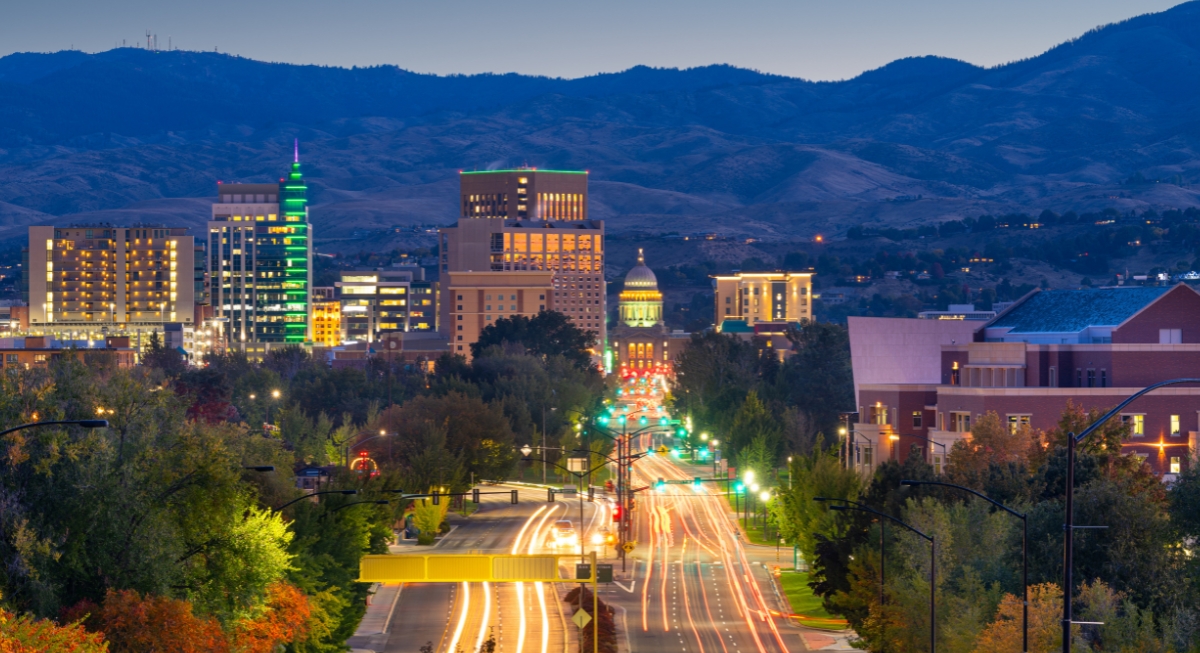
The Snake River Valley features elevation and a dry climate. Vineyards are located between 2,500 and 3,000 feet, where warm days and cooler nights support steady ripening. This allows grapes like Syrah and Viognier to reach peak ripeness. The region continues to grow, with more producers refining their methods each year.
Virginia

Credit: Getty Images
Virginia’s wine industry has taken shape through steady refinement. The Shenandoah Valley benefits from higher elevation and slightly drier conditions compared to the surrounding areas. Cabernet Franc has emerged as a standout, alongside Petit Verdot and Viognier. The region’s progress comes from adapting techniques to local conditions instead of trying to replicate styles from elsewhere.
Vermont
Credit: Getty Images
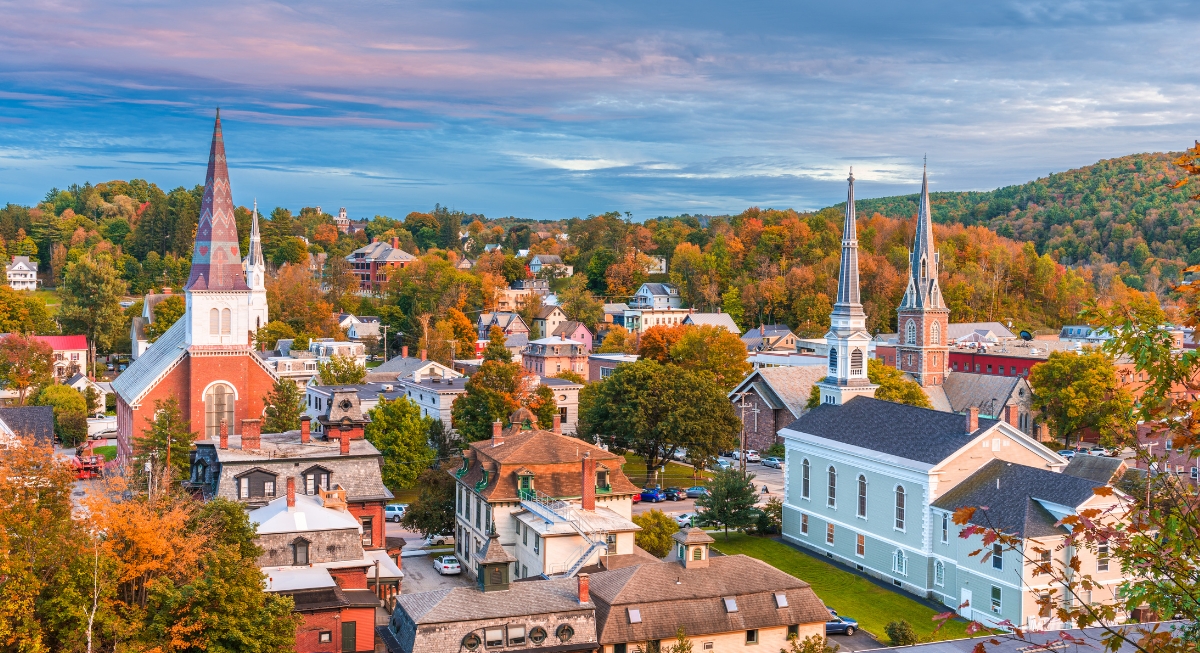
Vermont presents a different kind of challenge. Harsh winters make it difficult for traditional grape varieties to survive, so winemakers rely on cold-hardy hybrids like Marquette and La Crescent. These grapes produce wines that are zesty and hold their shape well on the palate. While grown out of necessity, they create a sharper, more punchy style that stands apart from softer, more traditional wines.
Missouri

Credit: Getty Images
Missouri has one of the oldest wine traditions in the country. Areas like Hermann, established by German immigrants in the 1800s, have laid a foundation that still shapes production today. The Norton grape, native to the United States, plays a central role, producing deep reds with earthy notes and a slightly spicy finish. The Missouri River Valley supports vineyards, but it is the region's long-standing winemaking culture that defines it.
North Carolina
Credit: Getty Images
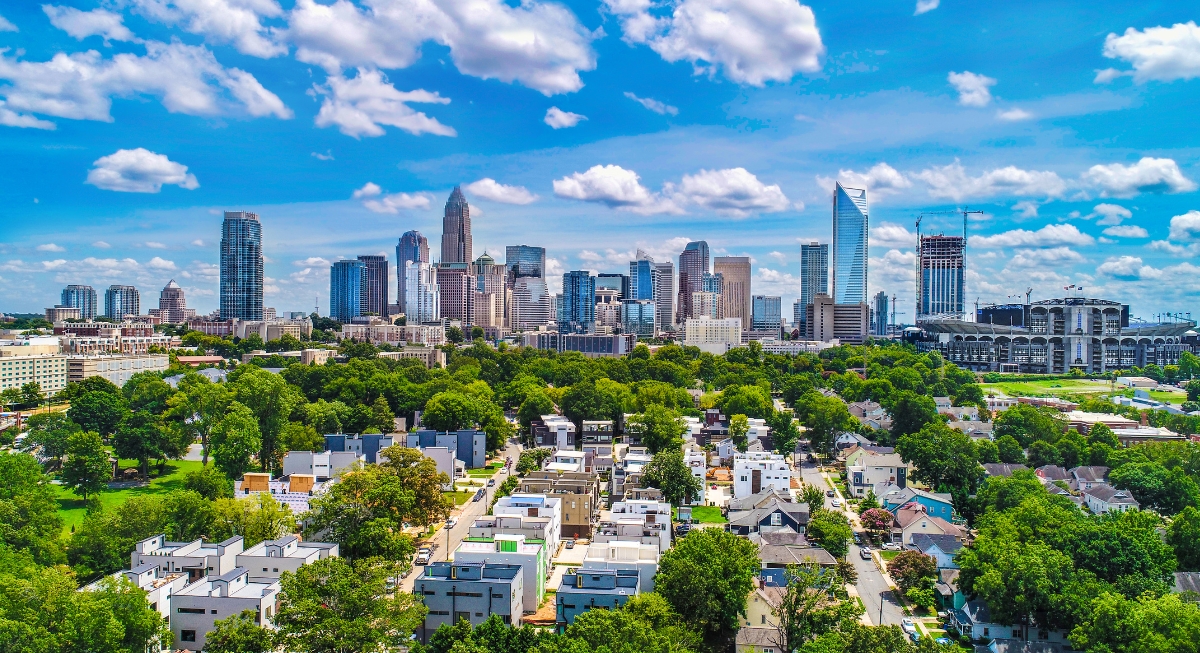
Yadkin Valley has developed into a versatile wine region. Located in the foothills of the Blue Ridge Mountains, it supports a wide range of grape varieties due to its moderate climate and varied soils. Wineries produce everything from Chardonnay to Chambourcin, and the area has built a strong connection to local tourism. This range gives visitors the chance to try different styles.