
Most of the time, you need to head far north to catch the northern lights. But this week, a strong solar storm is changing that. A rare geomagnetic event is pushing auroras much farther south than usual, so there’s a high chance that parts of the northern U.S. could unexpectedly secure some good spots for viewing.
The storm is linked to a coronal mass ejection from recent solar flares, and NOAA has issued a G3-level alert, effective through December 9. This means places that don’t normally see the lights might get a brief show. Timing, location, and cloud cover will matter, so knowing where to look could make all the difference.
North Dakota
Credit: iStockphoto
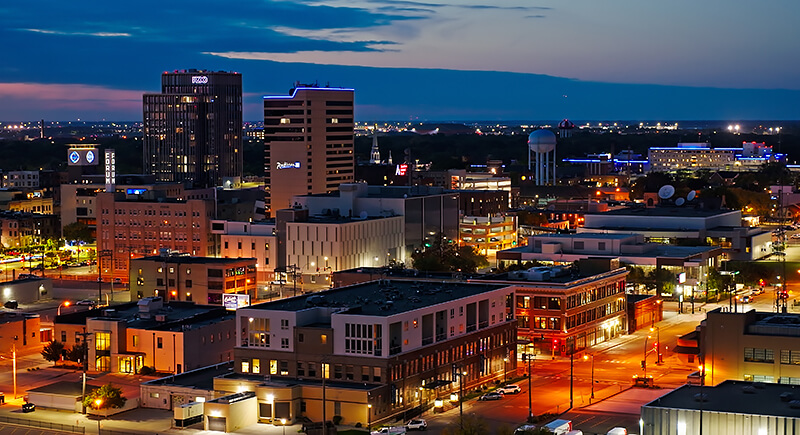
Forecasts put nearly the entire state of North Dakota inside the auroral oval this week. With minimal light pollution outside cities like Fargo or Bismarck, rural highways and fields could provide broad, unobstructed views. Scattered clouds may appear overnight, but central and western regions still show the highest visibility chances.
Northern Minnesota
Credit: Getty Images
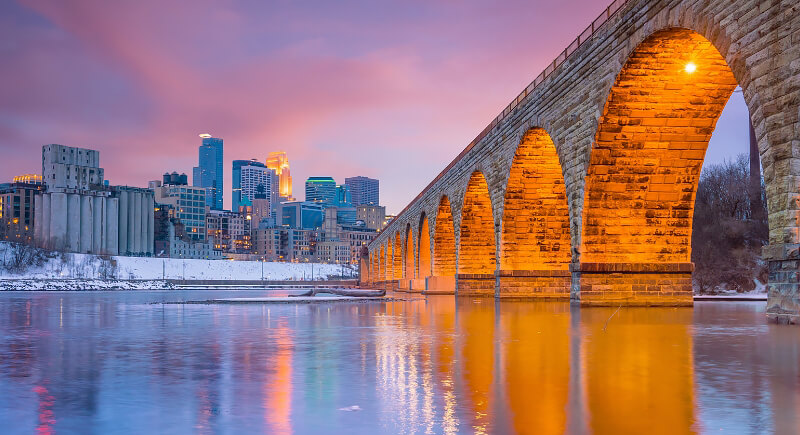
The storm’s projected path lines up well with northern Minnesota, where dark skies and open horizons work in the viewer’s favor. Bemidji and International Falls are solid bets, especially during the late-night hours. Patchy clouds could interrupt the view, though brief openings may reveal vigorous overhead activity around midnight.
Montana
Credit: iStockphoto
Montana remains entirely inside the aurora forecast boundary for the week. Eastern and central counties offer vast sky exposure and low light interference. Cloud cover remains variable, but visibility improves significantly in areas east of Great Falls. Geomagnetic activity may peak overnight, which increases the viewing chances near rural highways and open plains.
Northern Maine
Credit: iStockphoto
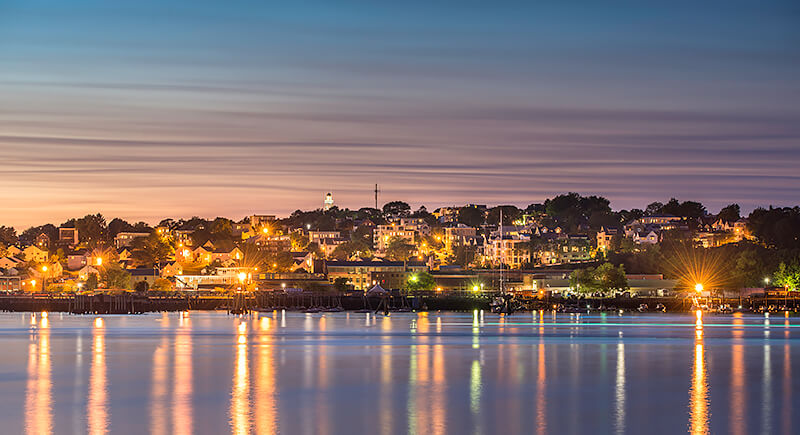
Though heavy clouds loom over most of Maine, areas in the north might still catch some color through thinner upper layers. Presque Isle and surrounding towns could see flickers of light if clouds shift just enough. Late-night hours are expected to bring the best, albeit brief, viewing windows.
Idaho
Credit: Getty Images
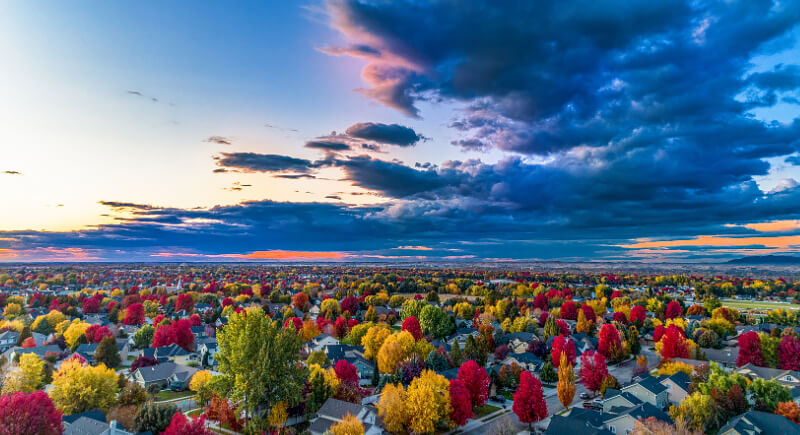
Forecast models keep Idaho’s panhandle within the active auroral range, with clearings expected late. Sandpoint, with its northern-facing views and limited lighting, may offer a good shot if the skies part at the right moment. The area’s location near the Canadian border helps its chances during stronger storm surges.
New Hampshire
Credit: iStockphoto
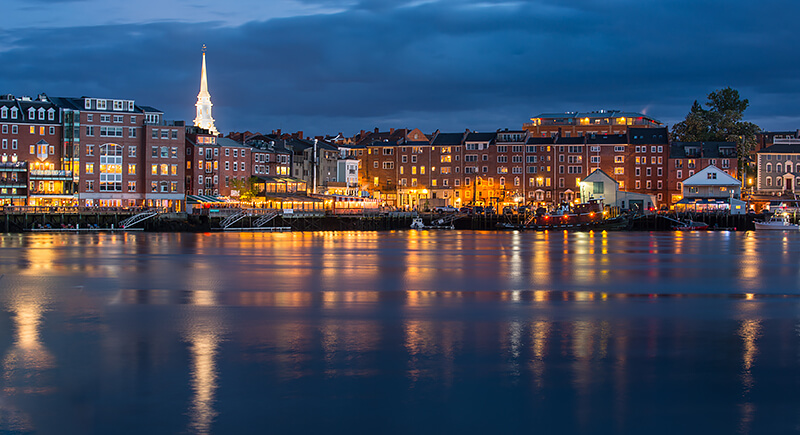
Clouds will cover much of New Hampshire, but forecast models show movement after midnight. Northern valleys and ridgelines north of the White Mountains could open to partial visibility. With the auroral band extending this far south, even faint activity could register on cameras pointed toward the northern sky.
Washington
Credit: Getty Images
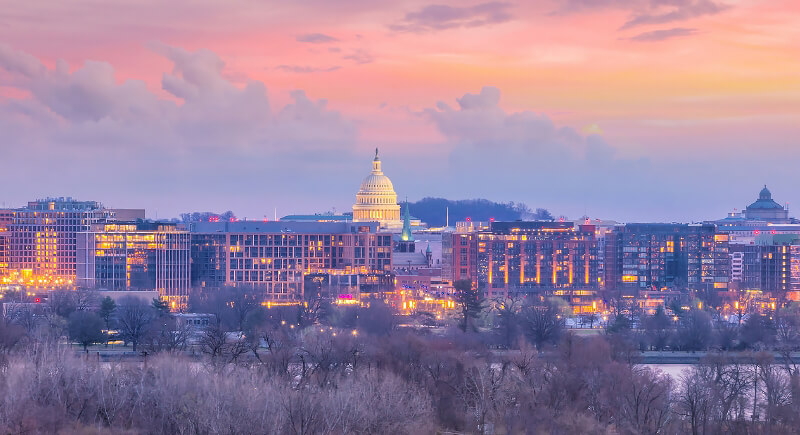
Only Washington’s eastern half sits inside the current aurora range, but spots north of Spokane remain in play. Forecasts show mixed cloud cover with a chance of clearing by early morning. With less light interference and a relatively open view north, rural areas may catch brief bursts.
Wisconsin

Credit: Getty Images
Wisconsin hovers near the storm’s southern boundary, so displays will likely stay close to the horizon. Ashland and Rhinelander have better odds thanks to their low population density and distance from major metro lights. If the Kp index spikes past 6, short viewing windows could open just before dawn.
Oregon

Credit: Getty Images
Northeastern Oregon falls just inside the southern edge of NOAA’s aurora forecast. Though cloud cover varies, towns like La Grande or Baker City may catch brief displays low in the sky. Conditions depend heavily on whether the solar storm peaks during overnight clearing, as modeled in NOAA’s timeline.
Upstate New York
Credit: iStockphoto
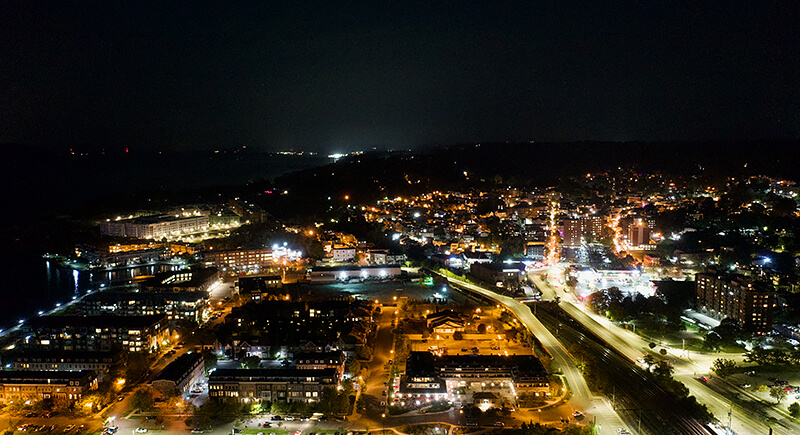
Western and northern parts of New York fall within the forecasted range. While cloud layers linger across the state, thin coverage near Watertown or the Adirondacks might allow glimpses of faint auroral activity. Rural areas away from Syracuse and Buffalo offer the darkest conditions for any visible light bands.