
Amusement parks are usually filled with laughter and excitement. But the one in Chernobyl, located in the abandoned town of Pripyat, offers a chillingly different experience. Rusting rides and a hollow silence now define this site. The Ferris wheel, a haunting icon, stands as the centerpiece, surrounded by decay and the remnants of a catastrophic past that altered the region forever.
A Promise Left Unfulfilled
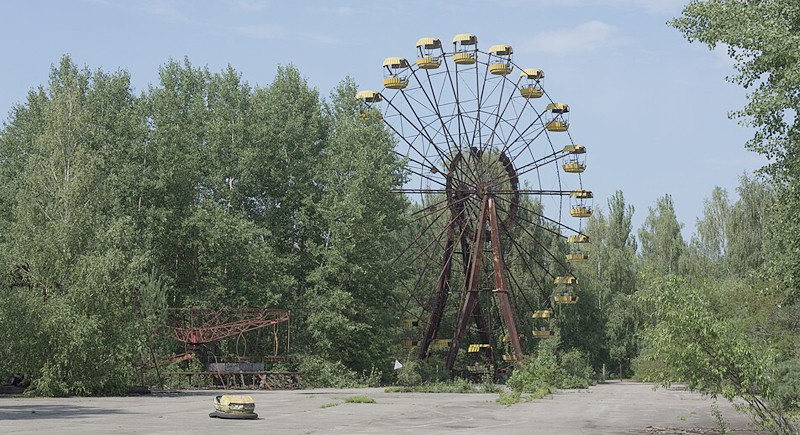
Image via Wikimedia Commons/Hnapel
In the early 1980s, Pripyat, a thriving city built for the workers of the nearby Chernobyl Nuclear Power Plant, was preparing to open an amusement park. The Ferris wheel, along with bumper cars and other attractions, was meant to provide a break from the industrial life of the town. It was scheduled to open on May 1, 1986, as part of the May Day celebrations.
However, just days before the grand opening, disaster struck. On April 26, 1986, Reactor No. 4 at the Chernobyl power plant exploded, releasing massive amounts of radioactive material into the atmosphere. Pripyat, a city of 49,000 people, was evacuated by the afternoon of April 27, 1986. The amusement park remained closed, and its rides never fulfilled their intended purpose.
Now, the Ferris wheel in Pripyat has become a symbol of loss. Over the years, the once-vibrant rides have become weathered and decayed. The yellow seats on the Ferris wheel have faded and rusted, and nature has begun to reclaim the area, with trees and grass growing through the cracks in the concrete.
Despite the decay, the Ferris wheel continues to attract visitors. People come from all over to witness the eerie sight.
Dark Tourism: The Morbid Appeal
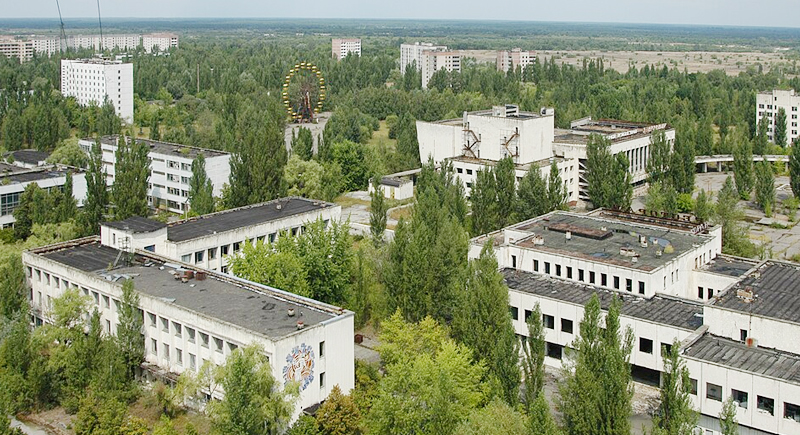
Image via Wikimedia Commons/IAEA Imagebank
The site of the Chernobyl disaster, including Pripyat and the amusement park, has become a popular destination for dark tourism. This form of tourism, which involves visiting places associated with death, disaster, or tragedy, has grown in recent years.
Chernobyl represents a chance to reflect on the devastating effects of nuclear disaster for some. For others, it’s simply a morbid curiosity. While dark tourism offers a means to remember and learn from past tragedies, it also raises significant ethical concerns. There’s an inherent discomfort in turning a place of immense human suffering into a tourist attraction.
A Lingering Legacy
The Ferris wheel in Pripyat carries a dual legacy. On one hand, it has come to symbolize resilience. Even in such a deteriorated state, it is a testament to the area’s ability to endure despite the disaster that struck it.
On the other hand, it represents a loss, both of a vibrant city and the lives of its residents, who were forced to flee. The people of Pripyat were forced to leave their homes, never to return, and many have suffered the long-term health effects of radiation exposure.