
When you’re packing for a safari, it’s easy to focus on the obvious things like your camera or a good hat. Clothing color usually feels like a small detail, but it actually matters more than most people expect. Guides often point out that what you wear can shape your comfort, your chances of spotting wildlife, and even how much attention you get from biting insects. One color, in particular, tends to cause the most trouble out in the bush.
The Color That Causes the Most Trouble
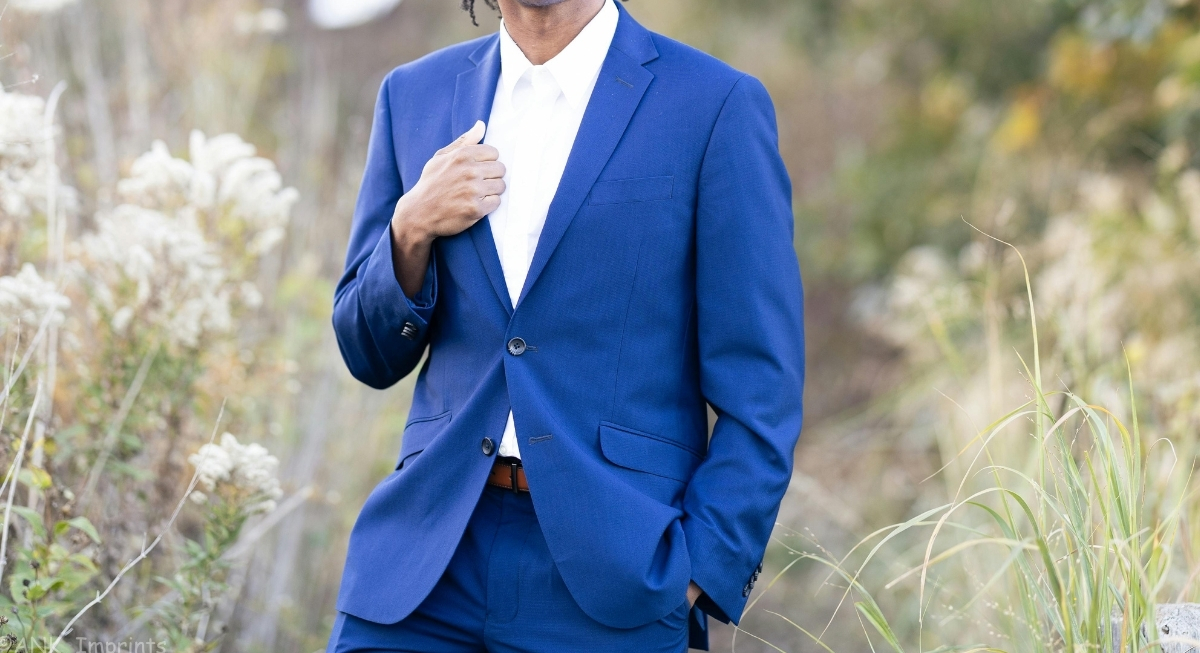
Image via Pexels/Neeha M
Blue is considered one of the most problematic colors you can wear on safari. The reason has little to do with fashion and everything to do with insects, particularly the tsetse fly.
Tsetse flies are common across many safari regions in East and Southern Africa. Their bites are painful and persistent, and the insects are known to carry diseases such as African trypanosomiasis, also known as sleeping sickness.
Researchers have found that these flies are strongly attracted to certain colors, especially blue. Because of that behavior, blue fabric is often used in traps designed to control tsetse populations. The material draws the insects in, where they are exposed to insecticide or capture systems.
In practical terms, wearing blue increases the likelihood of attracting these flies, which can make an otherwise enjoyable game drive far less comfortable.
Why Tsetse Flies Target Blue
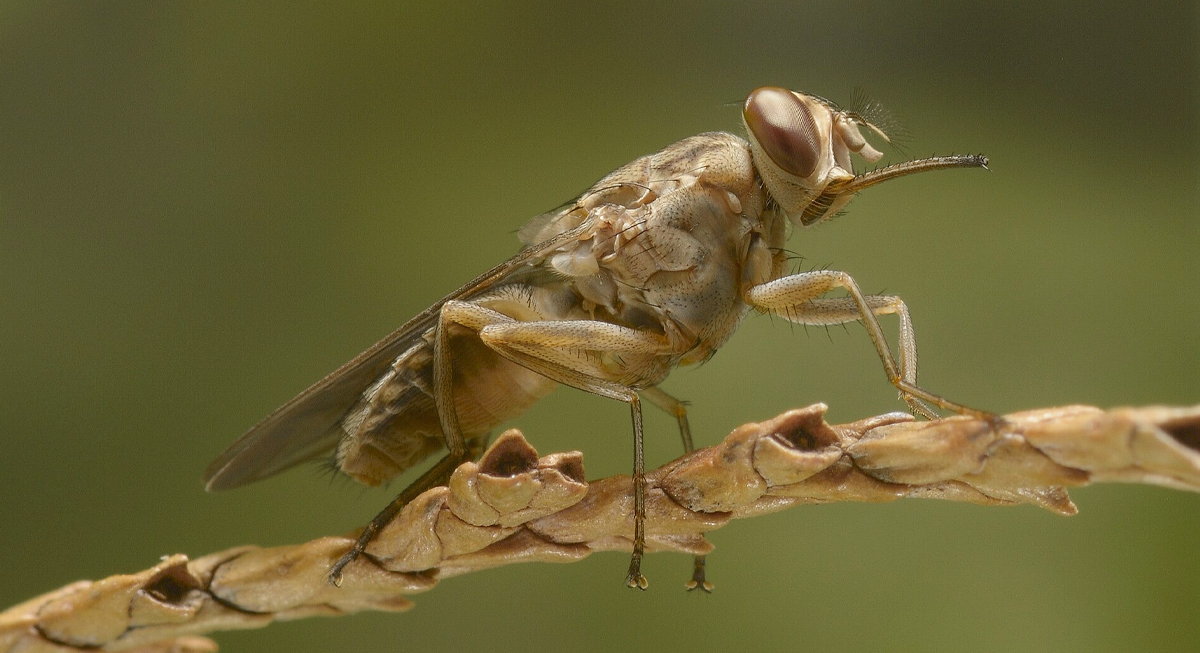
Image via Wikimedia Commons/International Atomic Energy Agency
Tsetse flies respond to visual cues, including color and contrast, when locating potential hosts. Blue stands out strongly to them, making it particularly effective at drawing their attention.
Once they land, tsetse flies behave differently from many other biting insects. They can bite through thinner fabrics and may remain in place while feeding, which adds to the discomfort. This persistence is one of the reasons guides and safari operators often recommend avoiding blue clothing altogether.
Other Colors That Can Cause Problems
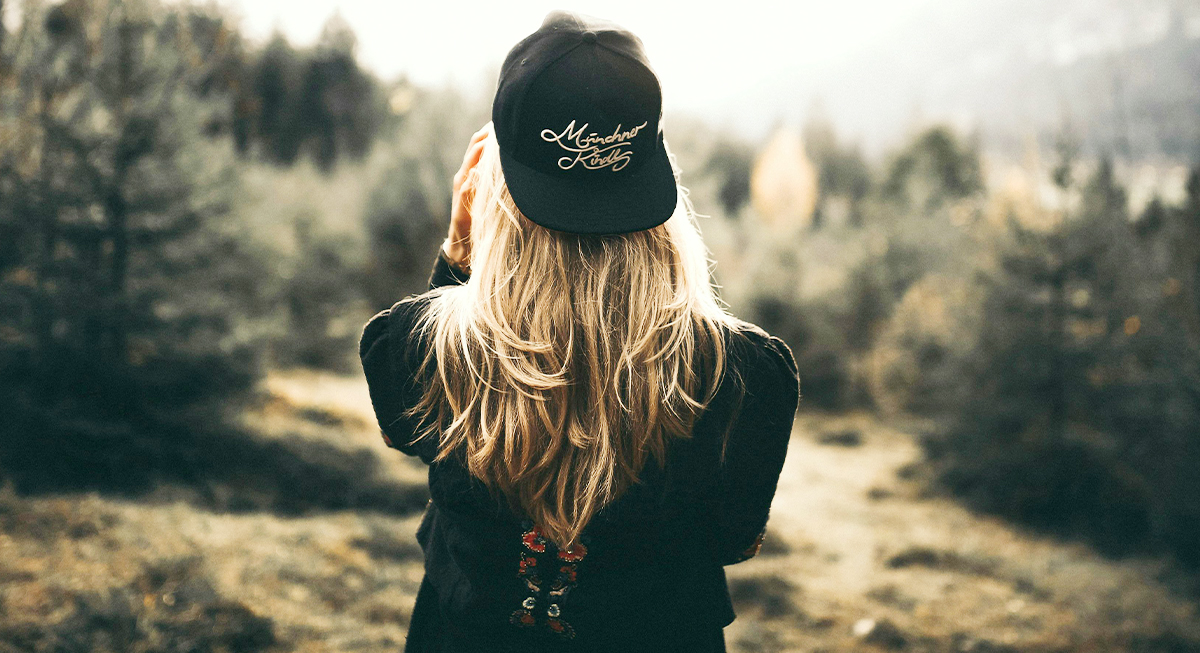
Image via Pexels/Tobi
Blue is the most widely cited insect magnet, but it is not the only color worth reconsidering when packing for safari.
Black clothing can also create issues. It absorbs more heat under the intense African sun, which can quickly become uncomfortable during long hours outdoors. It is also known to attract biting insects, including tsetse flies and mosquitoes, in certain environments. Wearing black often means feeling hotter while dealing with more insect activity.
Bright colors present a different challenge. Vibrant reds, yellows, or neon shades stand out sharply against natural landscapes. This contrast can make wildlife more alert, sometimes causing animals to move away before visitors have a chance to observe them properly. Even when animals do not flee, bright clothing makes it harder to blend into the environment during game drives or walking safaris.
White clothing creates its own practical issues. Safari terrain is often dusty, and vehicles traveling along dirt tracks can coat passengers in fine red or brown soil within minutes. White garments quickly show every mark, making them less practical for long days outdoors.
The Colors That Work Best Instead
Because of these challenges, safari guides consistently recommend neutral, earthy tones for clothing. Colors such as khaki, olive green, beige, tan, and light brown blend naturally into the landscapes of savannahs, forests, and deserts.
These shades help reduce visual contrast with the surrounding environment, which can make wildlife encounters feel more natural and less disruptive. They are also less likely to attract attention from insects compared with darker colors like black or deep blue. On top of that, neutral tones hide dust and dirt far better than bright or white clothing.
Many experienced safari travelers notice that guides themselves almost always wear these subdued shades. The choice is practical, shaped by years of experience in environments where comfort and discretion matter.