
Las Vegas did not earn its nickname "Sin City" because of modern casinos or the familiar promise that what happens there stays there. The roots run far deeper, shaped by tolerated vice districts, illegal businesses protected by local authorities, organized crime investment, and a national image that the city eventually turned into a marketing advantage. The origin of the name reveals how Las Vegas evolved into a global symbol of indulgence long before the Strip became an entertainment powerhouse.
A Designated Vice District From the Very Beginning
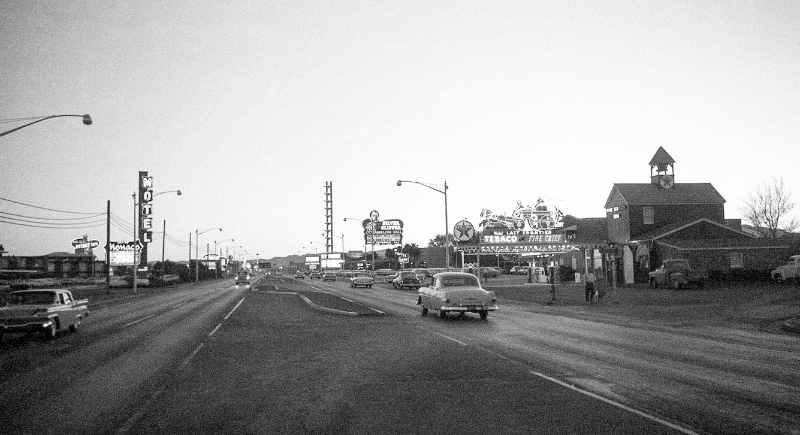
Image via iStockphoto/NNehring
Before neon lights and themed resorts, Las Vegas’s reputation started on two specific blocks downtown. In the early 1900s, city planners designated areas for saloons and gambling. Block 16 and Block 17 quickly became hubs for alcohol, betting, and prostitution, all operating openly despite shifting state and federal laws.
The area, located on North First Street between Ogden and Stewart Avenues, featured venues such as the Arizona Club, which added upstairs rooms used for sex work. Authorities issued fines and staged occasional raids, but these actions were more symbolic than corrective. The district generated revenue and contained the activity in a single location, so enforcement stayed intentionally limited.
Since vice was both visible and tolerated, early visitors and railroad workers began referring to the area as a pocket of unrestrained behavior. That local reputation is one of the earliest documented foundations of the Sin City label.
This vice zone stayed active until 1942, when federal pressure linked to a nearby Army gunnery school forced officials to shut down prostitution on the block. A historical marker now acknowledges what existed there and how it shaped Las Vegas’s early identity.
Prohibition, Illegal Gambling, and a Local Culture Built on Loopholes
During Prohibition, many saloons in Las Vegas defied federal alcohol bans. Illegal gambling rooms also operated with minimal pushback. Local officials recognized that visitors came specifically for activities that were restricted elsewhere, and the city relied on tourism dollars to drive growth. Their willingness to look the other way strengthened Las Vegas’s emerging identity as a place where restrictions softened and vice could flourish without much interference.
Nevada’s statewide legalization of gambling in 1931 only amplified what was already happening. Instead of reinventing itself, Las Vegas formalized a culture that had existed in practice for decades.
Organized Crime and the Expansion of the City’s Reputation

Image via iStockphoto/4kodiak
The construction of the Hoover Dam in the 1930s brought a surge of workers and economic activity. By the 1940s and 1950s, organized crime figures invested heavily in new casinos and resorts.
Their financial involvement helped establish the early Strip but also introduced skimming operations, money laundering, and enforcement tactics that gave Las Vegas a national reputation for corruption.
Stories of mob financiers, high-stakes operations, and behind-the-scenes power struggles became part of the city’s mythology. Although the era eventually ended, it left a lasting imprint that reinforced the Sin City label.
When the Nickname Went Public
Although the behaviors associated with the name were well known for decades, one of the earliest published uses of "Sin City" appeared in the 1963 book Las Vegas, City of Sin? by Dick Taylor and Pat Howell. By then, the nickname had become so closely aligned with public perception that it quickly became the shorthand descriptor for the city.
As tourism expanded, Las Vegas embraced rather than rejected the reputation. Marketing campaigns encouraged visitors to treat the city as a place where the usual rules didn’t apply.
Modern Las Vegas: Evolving Without Shedding Its Past
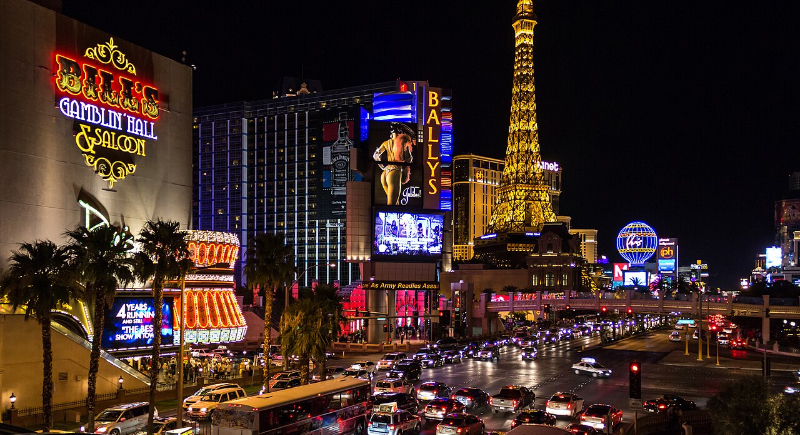
Image via Wikimedia Commons/Dietmar Rabich
Today, Las Vegas presents a polished, entertainment-heavy image, with professional sports teams, major residencies, and large-scale events. The city also promotes outdoor recreation, dining, and family-friendly attractions.
Even with this broader offering, the Sin City identity persists because it reflects the city’s documented history. Studies ranking American cities based on categories such as greed, lust, vanity, and excess continue to place Las Vegas near the top.
Residents often dislike the nickname because it obscures the everyday life and natural beauty surrounding the valley. Still, the historical roots are strong enough that the label remains part of the city’s cultural fingerprint.
Where Myth and Reality Part Ways
Viral videos and online posts often exaggerate modern motivations behind Las Vegas’s reputation. Claims that hotels avoid balconies to prevent gambling-related suicide, that the education system is intentionally weakened, or that bodies fill the desert are dramatized interpretations rather than supported historical conclusions.
The real origins are simpler and more verifiable: a sanctioned vice district, decades of tolerated illegal activity, the influence of organized crime, and later tourism campaigns that leaned into the city’s notoriety.
These pieces created an identity that continues to define the city to this day. Even as Las Vegas evolves, the past remains visible enough that the Sin City name persists as part of its story.