
Air travel often compresses journeys into a blur of terminals and queues. A rail trip through the Swiss Alps into Italy changes that entirely. The experience takes you through landscapes and small details that are otherwise missed.
The Moment Light Returns After a Tunnel
Credit: Wikimedia Commons
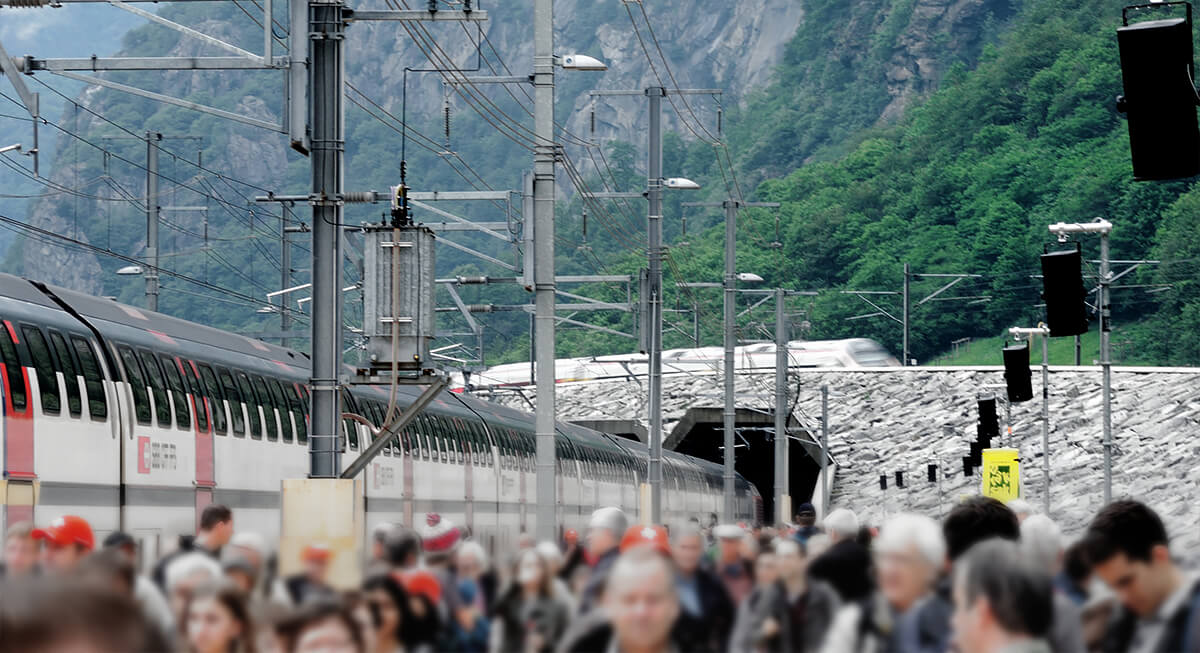
Rail engineers in Switzerland designed routes like the Gotthard line with dozens of tunnels carved through solid rock, many dating back to the late 1800s. Darkness gives way to sudden light again and again. Regular travelers often stop looking at their phones after the first few passes.
Historic Engineering in Plain Sight
Credit: Wikimedia Commons
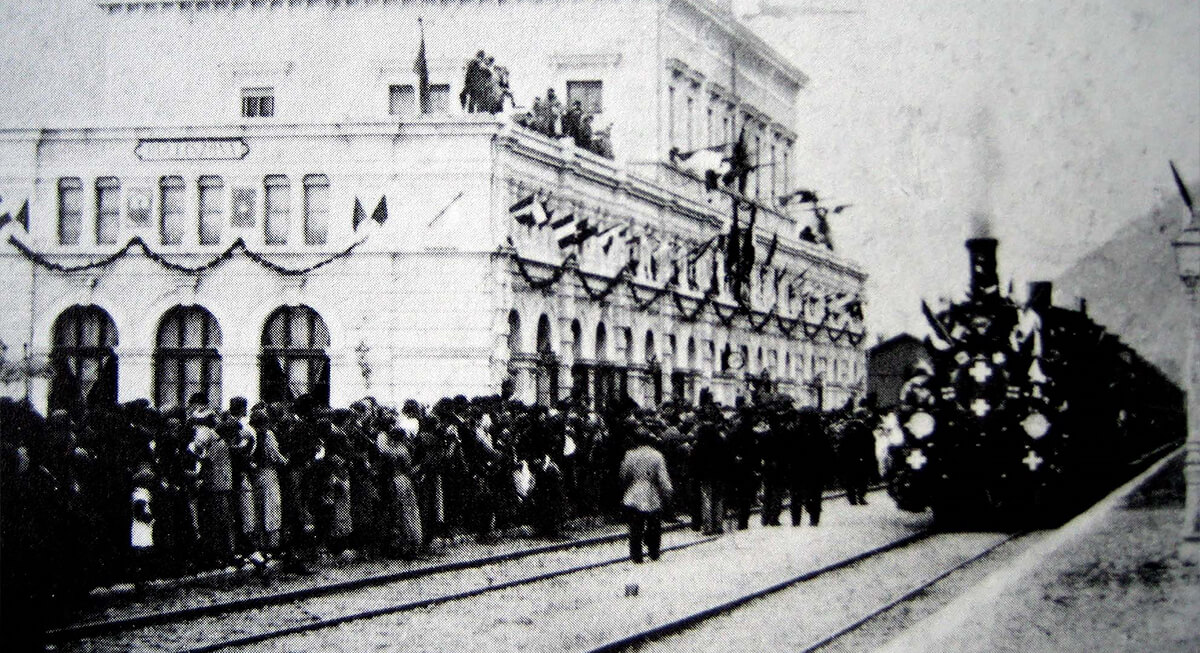
When the original Gotthard railway opened in 1882, it dramatically reduced travel time across the Alps and reshaped trade routes in Europe. Today, those same spiral tunnels and stone bridges still carry trains daily. Sitting by the window offers a direct look at that history in motion.
Stations That Feel Like Real Places
Credit: Wikimedia Commons
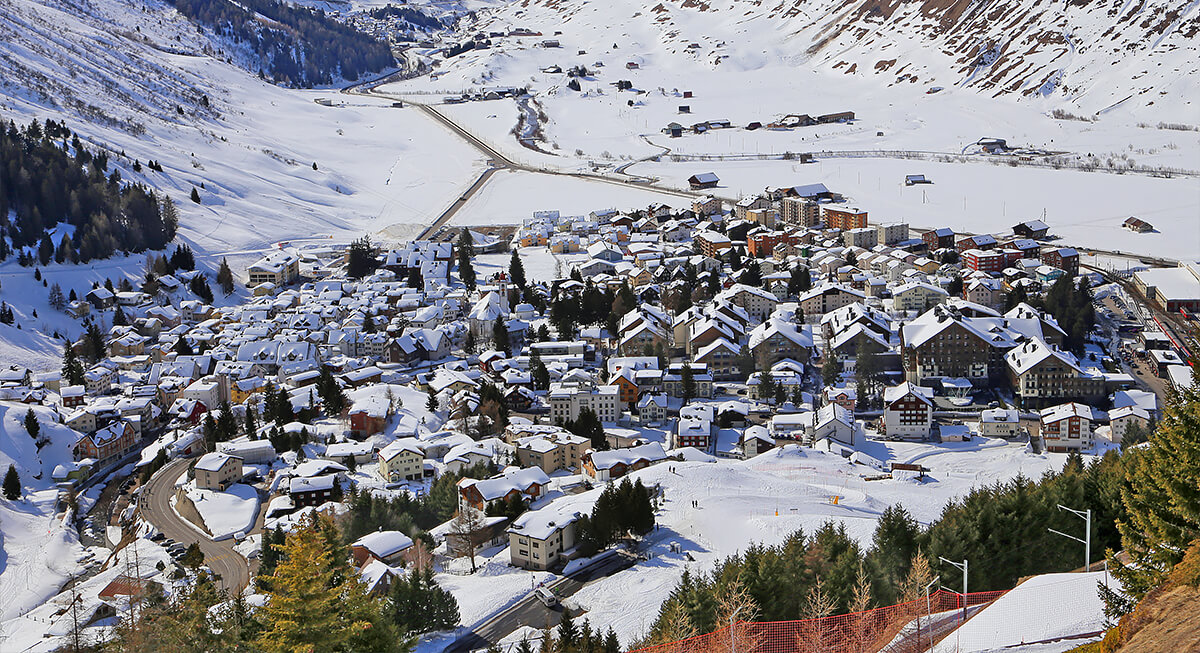
In places like Andermatt or Chur, stepping off the train leads straight into town streets and local coffee shops. There is no long transfer or shuttle ride. Train stations place travelers right in the middle of daily life.
Comfort That Changes the Pace
Credit: Canva
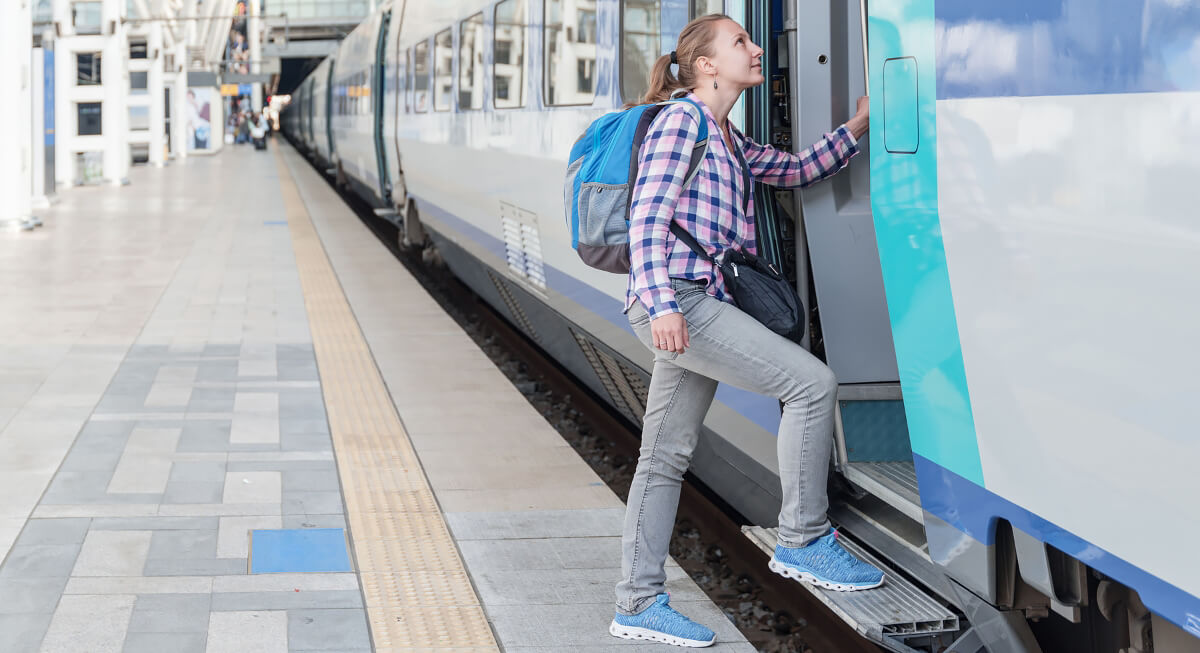
Frequent rail travelers across Europe often mention how the ability to move around shapes their entire trip. Long journeys feel shorter when there’s space to stand or walk to a dining car. During winter, heavy coats come off, and seats become places to settle in rather than endure.
Food and Drink Without the Rush

Credit: Canva
Cross-border rail routes reflect economic differences. A coffee that costs around five Swiss francs can drop to a couple of euros after entering Italy. Travelers notice these shifts quickly, as they often mark the moment of crossing more clearly.
Cities That Reveal Themselves Gradually
Credit: Getty Images
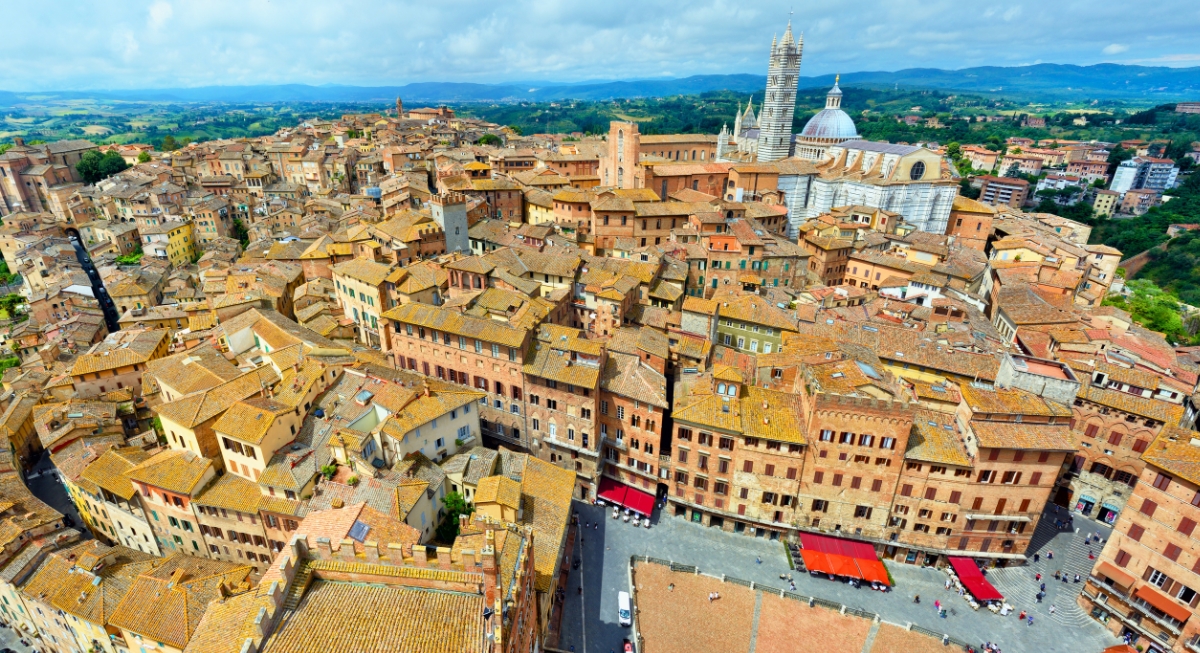
Urban planners sometimes describe rail arrivals as a “soft entry” into a city. Turin fits that idea well. Industrial edges appear first, followed by residential blocks, then historic streets lined with arcades. By the time the train stops, the city already feels partially familiar.
Windows Designed for Watching, Not Just Sitting
Credit: Wikimedia Commons
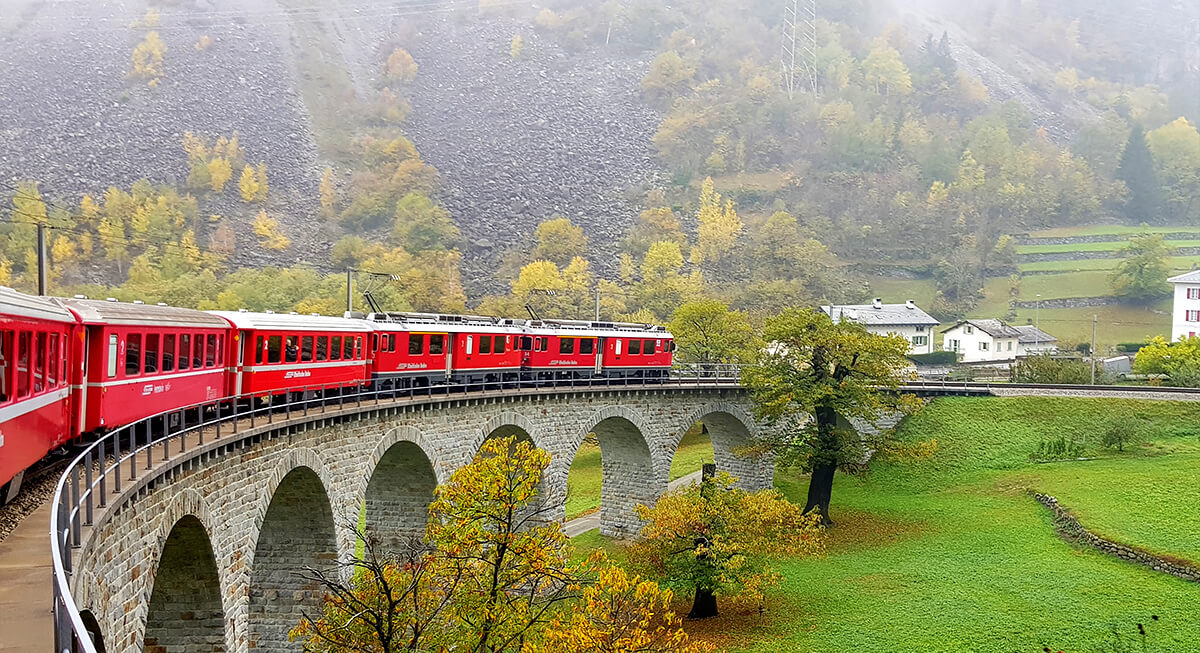
Many alpine trains are built with viewing in mind. Larger panoramic windows appear on routes like the Bernina Express, but even standard regional trains avoid the cramped feeling of airplane seating. Seats align with the view instead of blocking it. Travelers often shift sides of the carriage mid-journey just to follow the scenery.
No Long Lead Time Before Departure
Credit: Wikimedia Commons
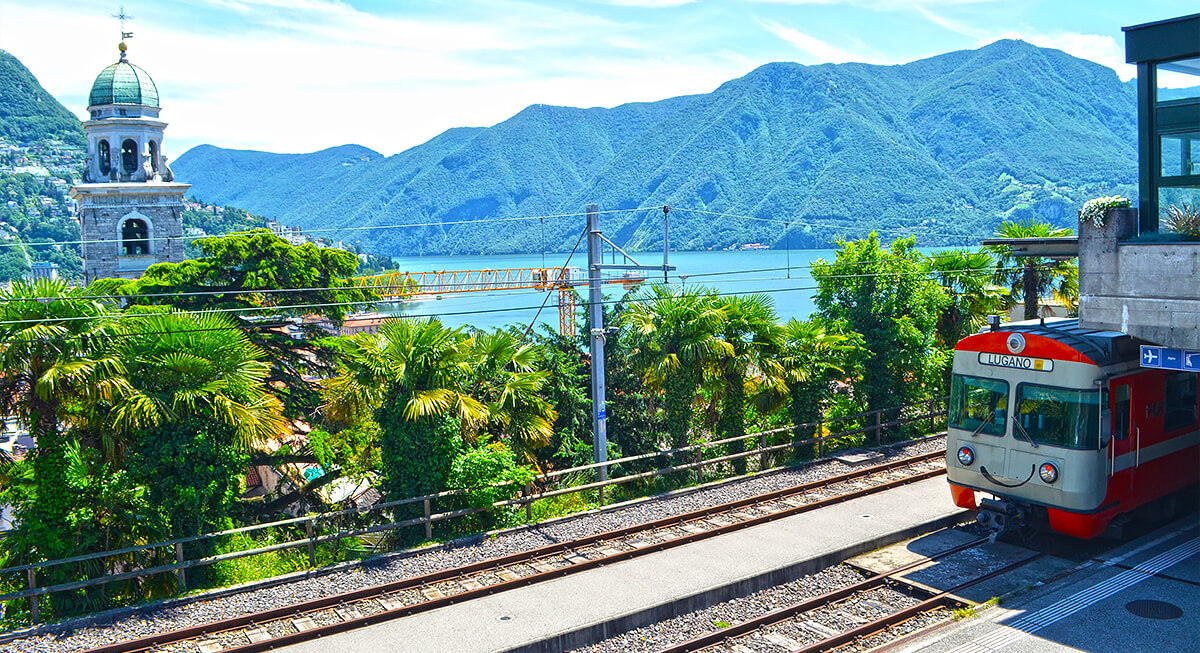
Rail travel eliminates the ritual of arriving hours early. Stations across Switzerland and northern Italy allow passengers to show up shortly before departure without stress. A quick glance at the departure board replaces long security lines. The time saved often gets spent grabbing breakfast or taking a short walk nearby.
Seasonal Travel That Works With Conditions
Credit: Wikimedia Commons
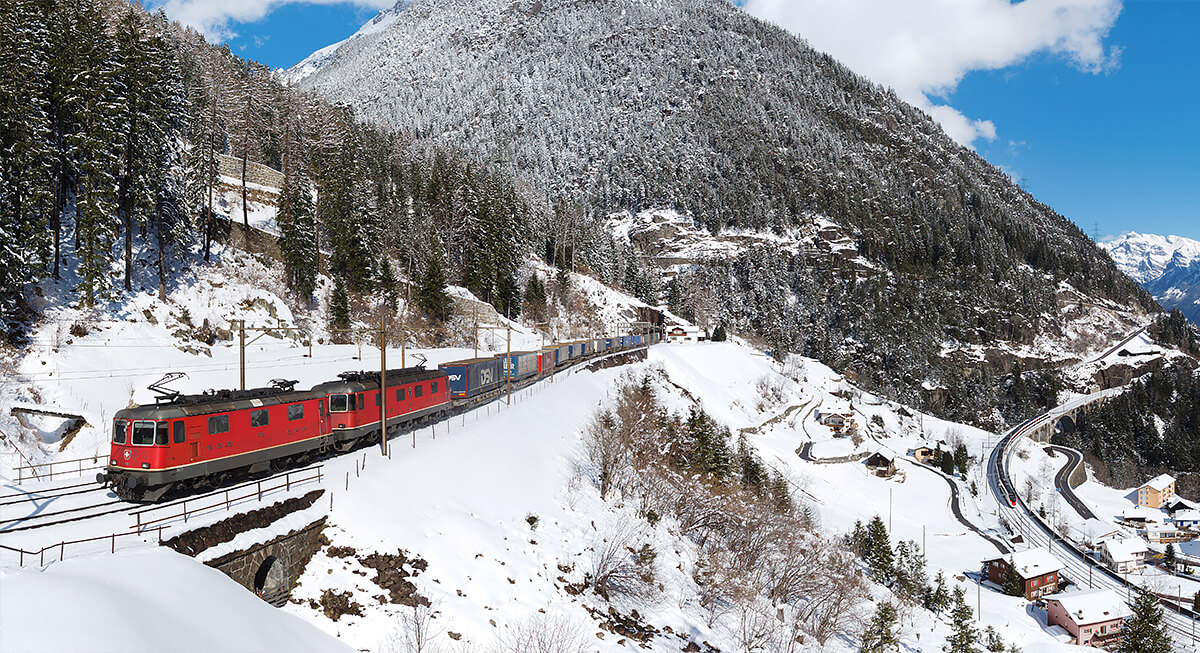
Swiss rail systems are known for punctuality, with many lines maintaining on-time rates above 85% even in winter months. Snowfall that might disrupt flights often becomes part of the scenery instead. Heated tracks and weather-adapted travel features keep trains moving.
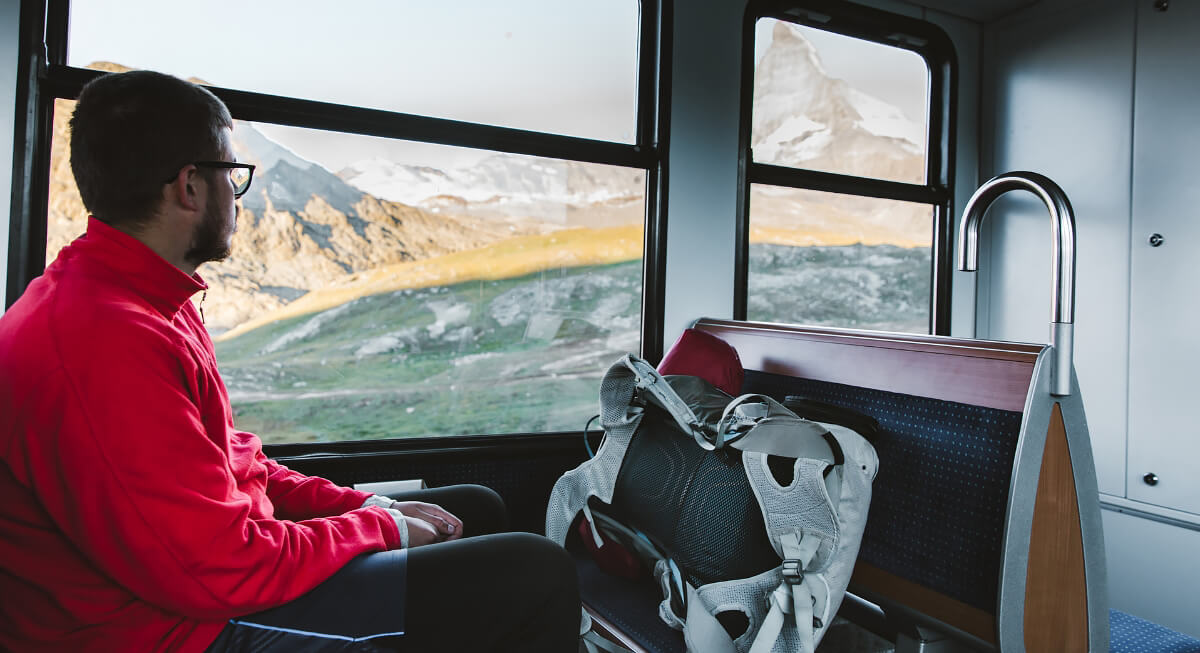
A Journey That Feels Like a Continuous Story
Credit: Getty Images
Rail travel connects locations without breaking the narrative. Borders pass with minimal interruption, sometimes marked only by language changes or price differences. A route can move through multiple countries in a single day without the stress of repeated security checks.