
Philadelphia’s dining scene took on a new shape in 2025. There wasn’t one dominant wave everyone followed, yet a small group of restaurants ended up steering the city’s tastes. Each spot drew people in for its own reasons, and taken together, they offered a clear picture of how locals were choosing to eat that year.
Dancerobot
Credit: Instagram
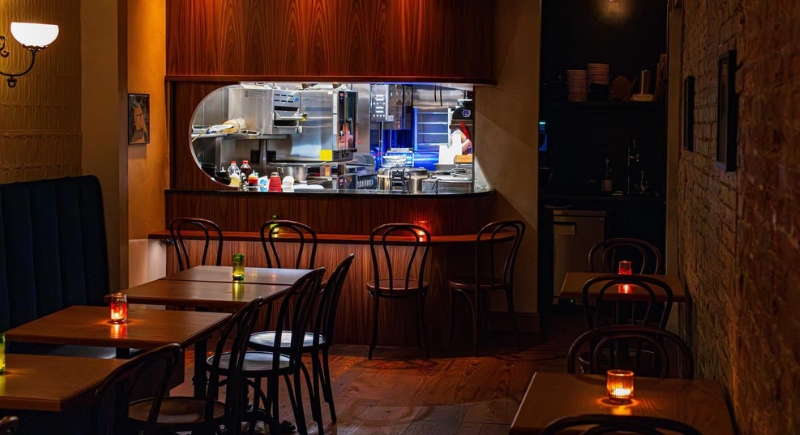
A night out in Rittenhouse often came with someone mentioning Dancerobot’s latest tweaks to its comfort-driven menu. The kitchen treated each dish as something that could be refined over time, so regulars noticed when a flavor shifted or a sauce felt more balanced. Pork katsu with curry and the mentaiko pasta became the dishes people returned to. The soft, glowing interior added an easy warmth to the room without trying to follow whatever trend was in the air.
Illata
Credit: Yelp
Illata worked best as a simple neighborhood stop. The menu stayed small, so people could tell right away when something new appeared or when the kitchen shifted a dish. Most plates leaned on vegetables, seafood, and fresh pasta shaped by whatever local suppliers brought in that week. The small tables kept things personal and unhurried, which fit the quiet blocks around the restaurant.
Amá
Credit: Instagram
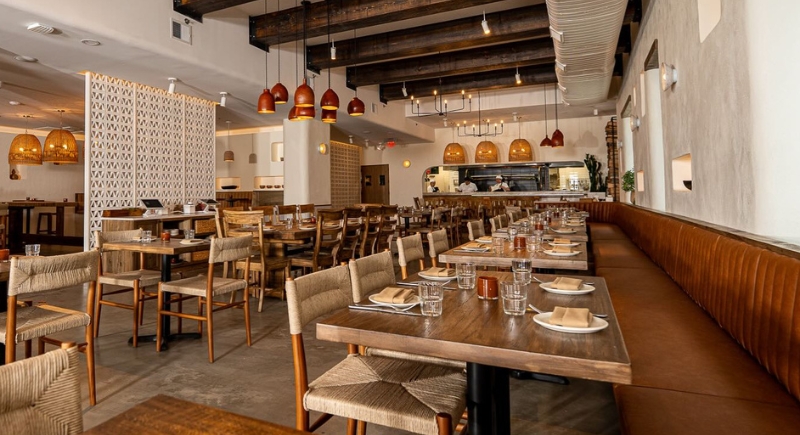
In Fishtown, diners often brought up Amá when talking about recent meals. Most of the conversation centered on how the kitchen handled tortillas, moles, and bright salsas. Frankie Ramirez drew from several Mexican regions while keeping the menu grounded. The bar took similar risks, using ingredients like fermented corn to build drinks that made people stop and think about what they were tasting.
Tesiny
Credit: Instagram
Passyunk Square’s new seafood spot settled in quickly by putting real care into dishes people already knew. The chilled plateau stood out for its cilantro-lime cream, something guests kept mentioning after their visit. Broiled oysters, octopus, and wagyu culotte filled out the menu without turning dinner into a performance. Early-2000s R&B played quietly in the background, softening the space and giving the evening an easy rhythm.
Kissho House Omakase
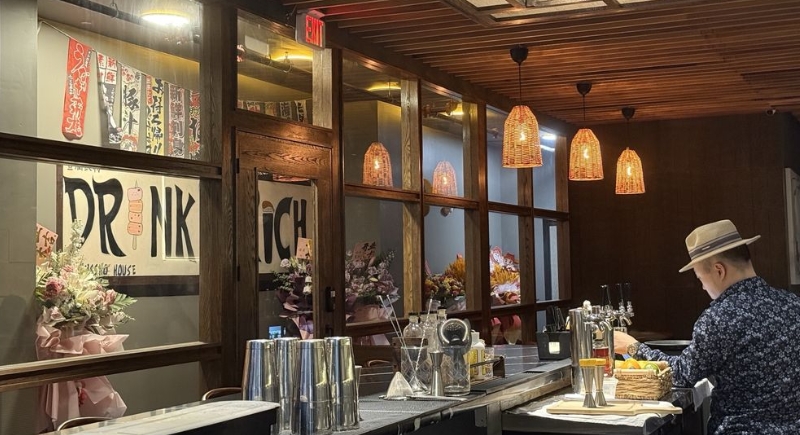
Credit: Yelp
Visitors settling into the quiet downstairs counter at Kissho House noticed how the meal moved at an intentional pace. Each course depended on small adjustments in texture and temperature that rewarded patience. The long-prepared eel often became the quiet standout. Upstairs, a relaxed izakaya space offered skewers and rolls for guests preferring something looser.
Baby’s Kusina & Market
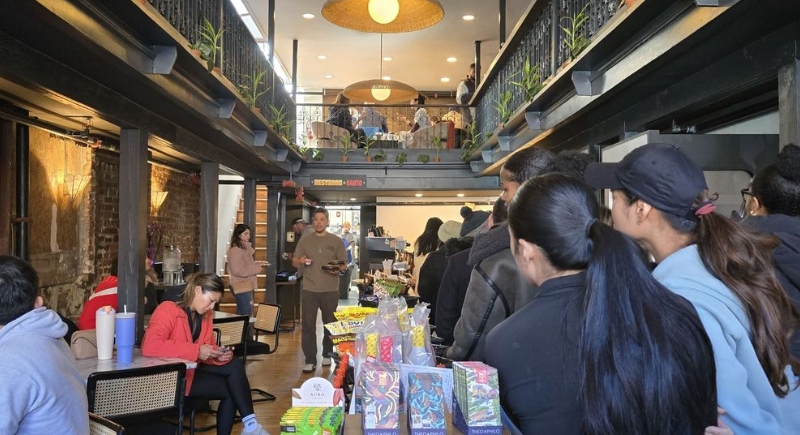
Credit: Yelp
Brewerytown residents described Baby’s as two moods in one space. Morning brought ube pastries and ensaymada, while evening shifted to heavier comfort plates like kare-kare katsu. Shelves of Filipino pantry goods encouraged browsing between courses. The ube iced coffee became its unofficial calling card, mostly because people kept naming it in neighborhood recommendations.
Fleur’s
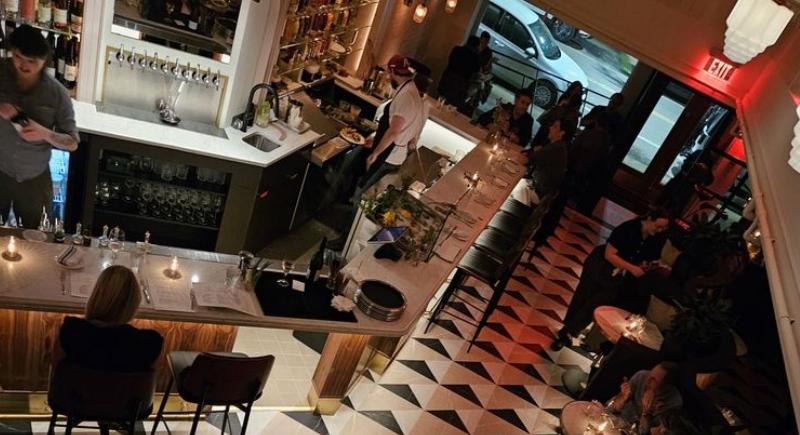
Credit: Yelp
East Kensington welcomed a restaurant that used French technique without sticking to rigid rules. Koji, house-fermented sauces, and gratins shaped the flavors, prompting diners to wonder how each one came together. A croissant filled with foie and white chocolate became an unexpected favorite because the pairing sounded chaotic but ended up balanced.
Little Walter’s
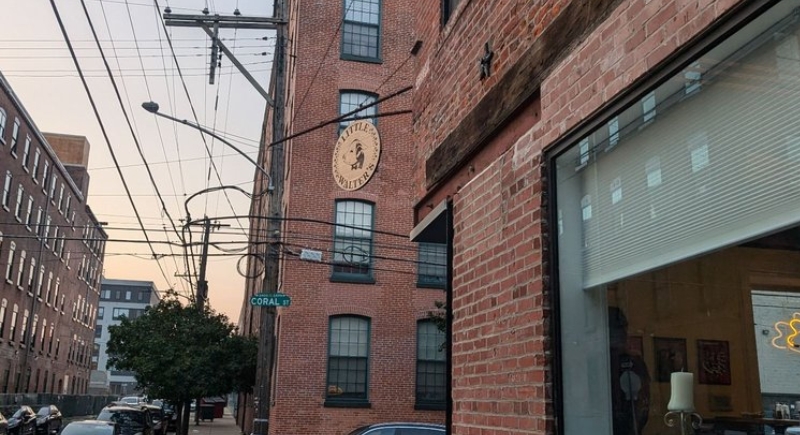
Credit: Yelp
Michael Brenfleck opened a place in East Kensington that approached Polish American cooking with a new angle. Pierogies sat at the center, and their seasonal fillings often signaled what local farms were sending in. Cocktails that used caraway or Polish bitters added their own regional touch. A pickle-juice martini ended up as the drink regulars talked about the most.
Meetinghouse

Credit: Yelp
Olde Richmond’s neighborhood tavern atmosphere stayed intact under the hands of Drew DiTomo and his partners, while Meetinghouse introduced simple dishes handled with steady care. The roast beef with horseradish, the crab dip, and a rotating “mystery wine” earned steady attention. Candlelit tables in the back slowed the pace, a feature both regulars and newcomers seemed to appreciate.
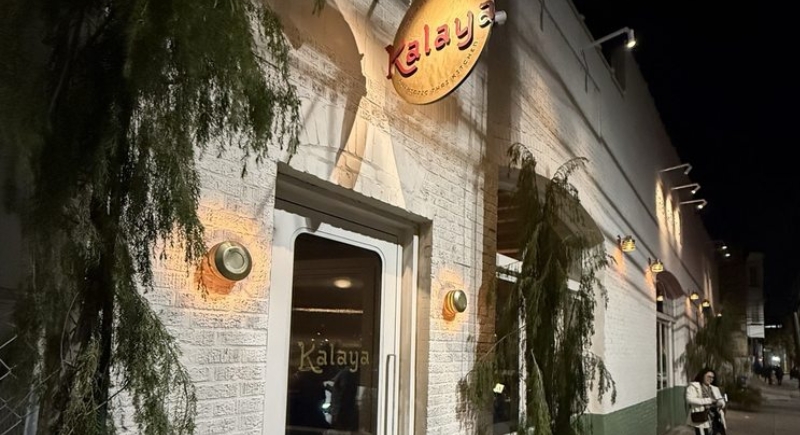
Kalaya
Credit: Yelp
Fishtown’s expanded Kalaya gave Nok Suntaranon room to serve the dishes that built her reputation. Giant river prawns kept showing up in tom yum photos online, yet the real draw was how the kitchen balanced heat, herbs, and acidity on the plate. Lunch service widened access and brought in people who previously couldn’t get a reservation.