
Even with satellites and centuries of research, a few places still slip through the cracks. In a few cases, cities once described as legendary turned out to be real. In others, geography, politics, or belief systems keep the truth unresolved. These examples show how different forces can erase places without erasing memory.
Thonis-Heracleion, Egypt

Credit: Instagram
For centuries, Thonis-Heracleion appeared only in ancient texts, often dismissed as symbolic. That changed when underwater excavations near the Nile Delta revealed temples, statues, and harbors dating to around 500 BC. Geological studies suggest earthquakes caused the land to liquefy, allowing the city to sink gradually rather than collapse all at once.
Helike, Greece
Credit: Wikimedia Commons
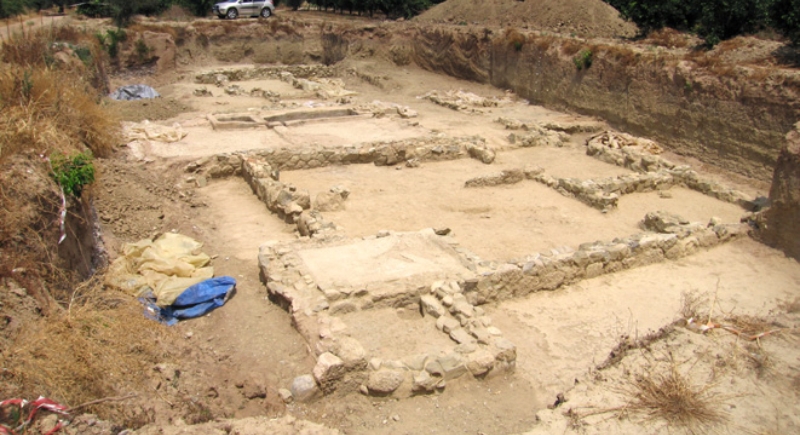
Ancient writers recorded Helike’s destruction by earthquake and tsunami in 373 BC, but early searches focused on the offshore area. Excavations later revealed the city to be buried inland under sediment. The discovery showed how shifting coastlines can mislead researchers and confirmed that historical accounts were more accurate than previously assumed.
Paititi, Peru
Credit: Facebook
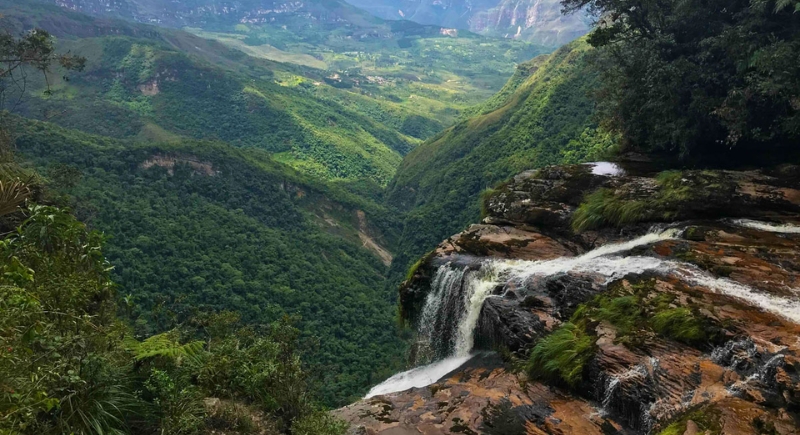
Spanish and Jesuit records from the 16th and 17th centuries describe rumors of Inca elites retreating east into the Amazon after the conquest. That rumored refuge became known as Paititi. Documents mention wealth and isolation but offer no precise location. Satellite imagery has sparked interest, yet nothing ties those shapes to a city.
Ciudad Perdida, Colombia
Credit: Wikimedia Commons
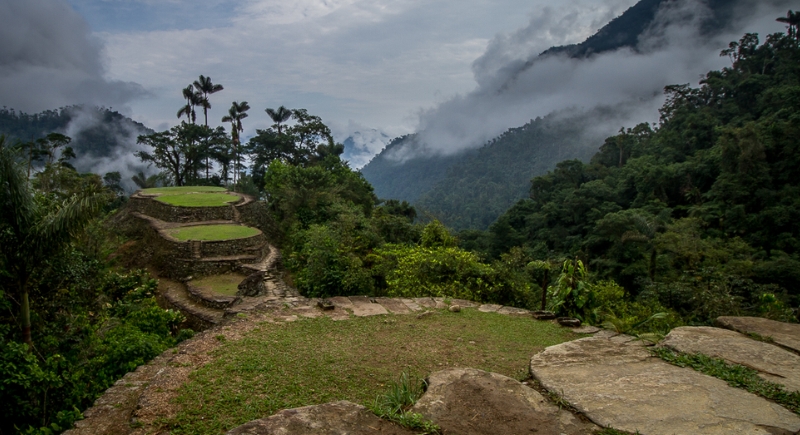
Ciudad Perdida took shape around 800 AD along steep ridges in Colombia’s Sierra Nevada, with stone terraces connected by long stairways cut into the slope. Local Indigenous communities never lost track of it. Wider attention came only in the 1970s, after looters exposed parts of the site and archaeologists followed.
Kitezh, Russia
Credit: Wikimedia Commons
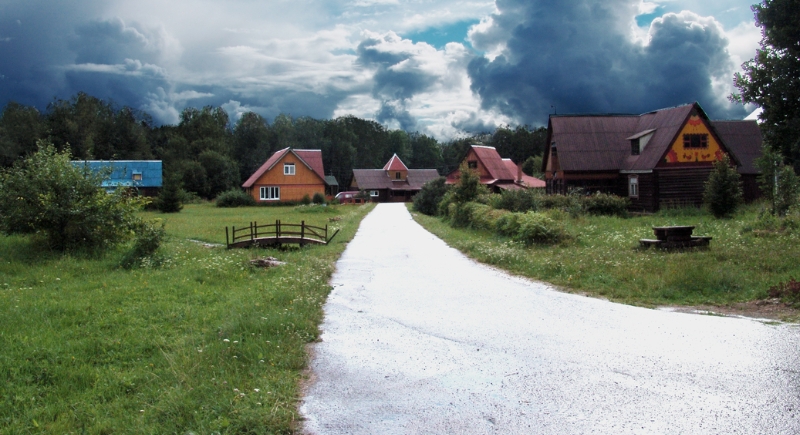
Medieval Russian religious texts describe a city said to have slipped beneath Lake Svetloyar during a Mongol invasion, saved by divine intervention, and remembered as Kitezh. Archaeological surveys of the lake have uncovered no medieval remains. Even so, the story endures through pilgrimage and oral tradition, grounded in faith and symbolism rather than anything resting on the lakebed.
Aztlán, Mexico, and the Southwest
Credit: Wikimedia Commons
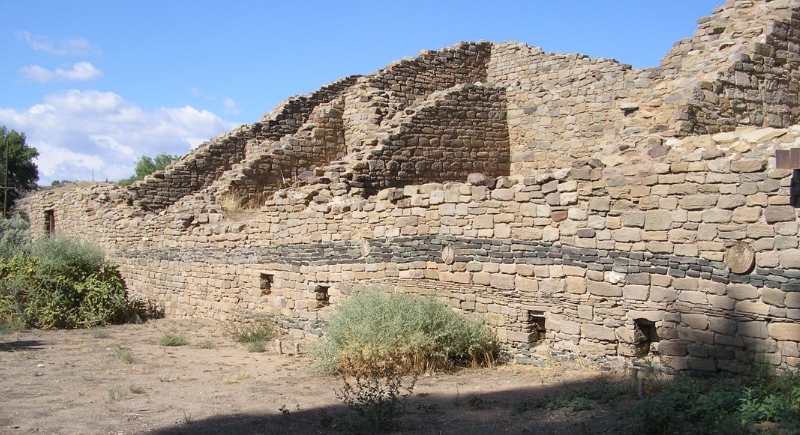
Early Aztec codices speak of an ancestral homeland left behind before the migration south, but they avoid tying it to a precise place. That remembered origin later took the name Aztlán. No ruins have ever matched the descriptions. Over time, the idea drifted away from archaeology and settled into cultural memory, where meaning mattered more than location.
Lyonesse, England
Credit: Facebook
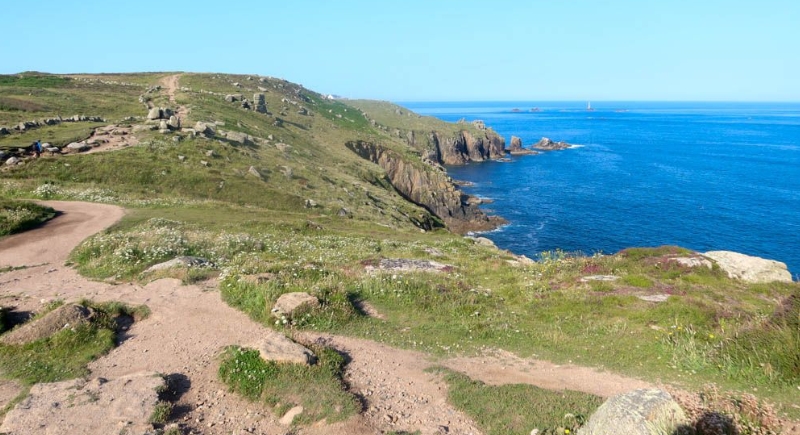
Medieval Cornish writers viewed the loss of coastal land between Cornwall and the Isles of Scilly as a relatively recent event. That sunken territory came to be called Lyonesse. Geological studies show that real flooding reshaped the coastline thousands of years ago, providing physical context for stories preserved long after the land vanished.
El Dorado, Colombia
Credit: Wikimedia Commons
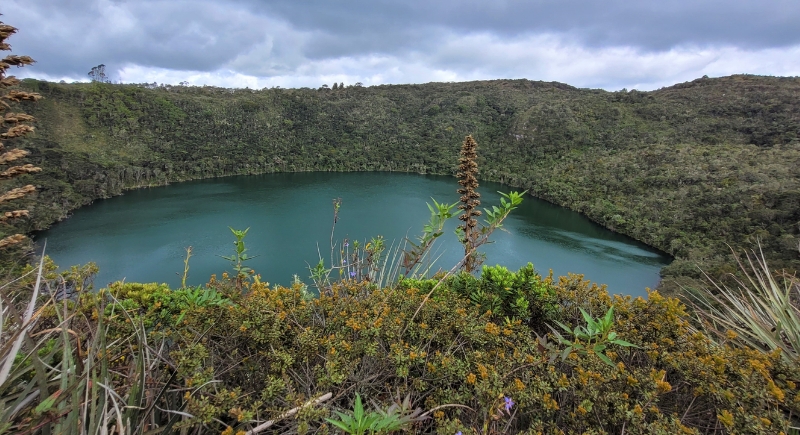
Gold offerings at Lake Guatavita were recorded in early accounts of Muisca rituals. As those accounts circulated beyond the region, the details shifted and multiplied. European explorers began treating the story as evidence of a wealthy city known as El Dorado, launching expeditions that pushed deeper into unfamiliar terrain and permanently altered maps of northern South America.
Xanadu, China
Credit: Wikimedia Commons
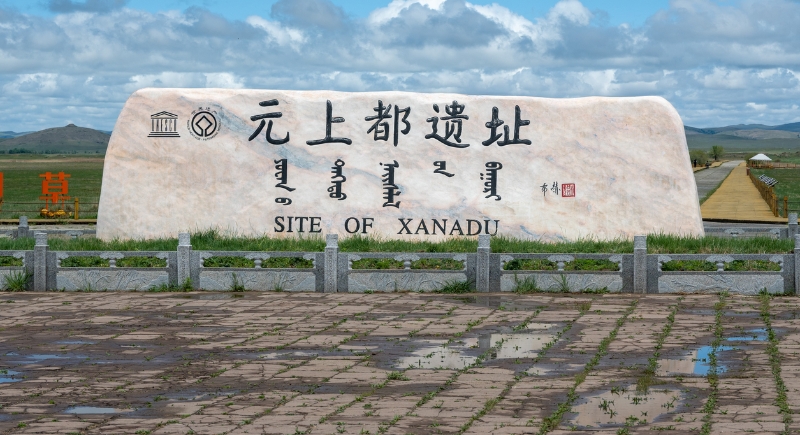
Western audiences first encountered Xanadu through poetry rather than history. Behind the verse stood Shangdu, the summer capital of Kublai Khan. After the Yuan dynasty fell, the city faded from use. Excavated remains in Inner Mongolia now anchor the legend to a real administrative center.
Camelot, England
Credit: pexels
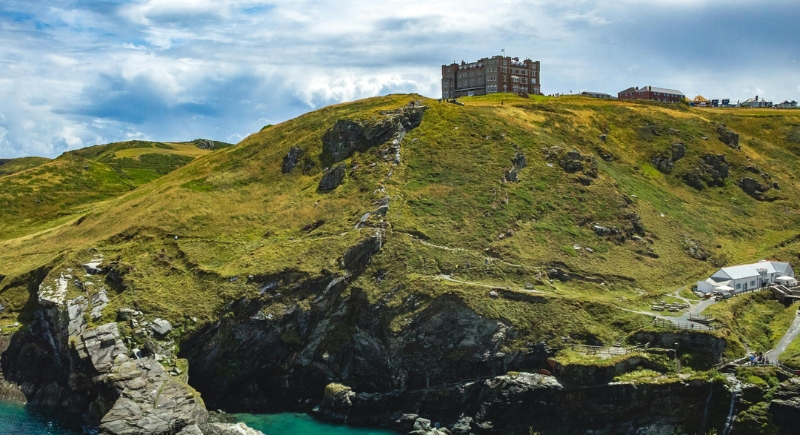
Medieval authors pieced together politics, nostalgia, and scattered history to describe an ideal court later called Camelot. Archaeology has found everyday settlements but nothing definitive. Sites like Tintagel confirm occupation, not legend. The court survives because it promises moral order rather than because it leaves physical traces.