
New York City is going all-in on blocking fare jumpers. Over the past year, the Metropolitan Transportation Authority (MTA) has introduced metal spikes and fully revamped fare gates throughout the subway system. The move follows a massive surge in unpaid rides; losses hit nearly $1 billion in 2024, when unpaid subway, bus, and toll fares are tallied together. Not all riders love the upgrades. Some call them harsh, even medieval. Others simply say determined fare evaders keep finding loopholes. That tension is exactly what’s fueling the buzz.
Hardware Upgrades: From Spikes to Sliding Doors
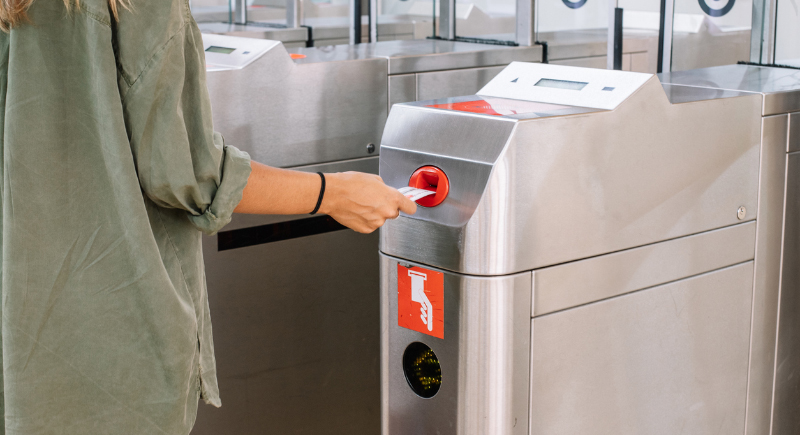
Image via iStockphoto/ElebeZoom
One of the earliest changes appeared in early 2025, as the MTA installed spiked barriers between turnstiles at select stations. The point was to make it harder for people to climb over or shimmy between arms. At one Midtown station, the upgrade reportedly slashed fare evasion by 60 percent. The latest phase involves installing full-glass-door fare gates, set to replace the old turnstiles this year.
The Importance According to the MTA
The MTA faces significant losses. Fare evasion reportedly cost the system hundreds of millions in 2024 alone. With roughly 25 to 40 percent of its operating budget coming from fares and tolls, each unpaid ride chips away at the money needed to maintain train service and repairs.
Officials are framing these measures as essential for fairness; if the system loses money to people who skip paying, legitimate riders may face cuts or fare hikes. The new gates are also part of a larger initiative that includes hiring additional gate guards and enhancing surveillance at high-risk stations.
Practical Problems and Public Frustration
@dailymail Is this the SOLUTION? The spikes have only been installed at Manhattan's Lexington Avenue 59th Street Station and it's unclear if the MTA will add more. #newyorkcity #nyc #subway #money #train ♬ original sound - Daily Mail
Critics argue that these hardware changes make the subway an unfriendly environment. Some claim the spikes look like deterrents borrowed from prison yards. Others point out that, at least at some stations, even the new barriers failed. A rider reportedly vaulted over a spiked turnstile less than two days after installation at a central Midtown station.
Beyond that, sliding gates bring their own challenges. Some mobility-device users worry about accessibility. Transit watchdogs also caution that turning subways into fortress-like environments could shrink the sense of public space.
What This Means For Riders
For paying passengers, it could lead to steadier funding for maintenance, cleaner stations, and potentially fewer service cuts.
At the same time, expect growing pains. Some stations may have gates before others. The system could feel less free and open. Not to mention that until enforcement becomes consistent and universal, clever fare evaders might still find ways to slip through.
But one thing is certain: New York’s approach to subway access is changing fast.