
Some American landmarks grab your attention immediately with billboards that start appearing miles away and gift shops that multiply around the parking lot. The New River Gorge Bridge pulls off the opposite effect. A traveler can spend half the drive through southern West Virginia, then suddenly round a bend and come face-to-face with a steel arch hanging high above one of the deepest river gorges in the Appalachians.
Part of the bridge’s appeal comes from its numerous identities. It is an engineering landmark, a scenic icon, a transportation shortcut that changed daily life in the region, and the centerpiece of one of America’s newest national parks. Some visitors come for whitewater rafting and leave obsessed with the bridge itself. The longer people spend around the gorge, the more the structure seems tied to West Virginia's personality.
The Sheer Size Feels Unreal in Person
Credit: pexels
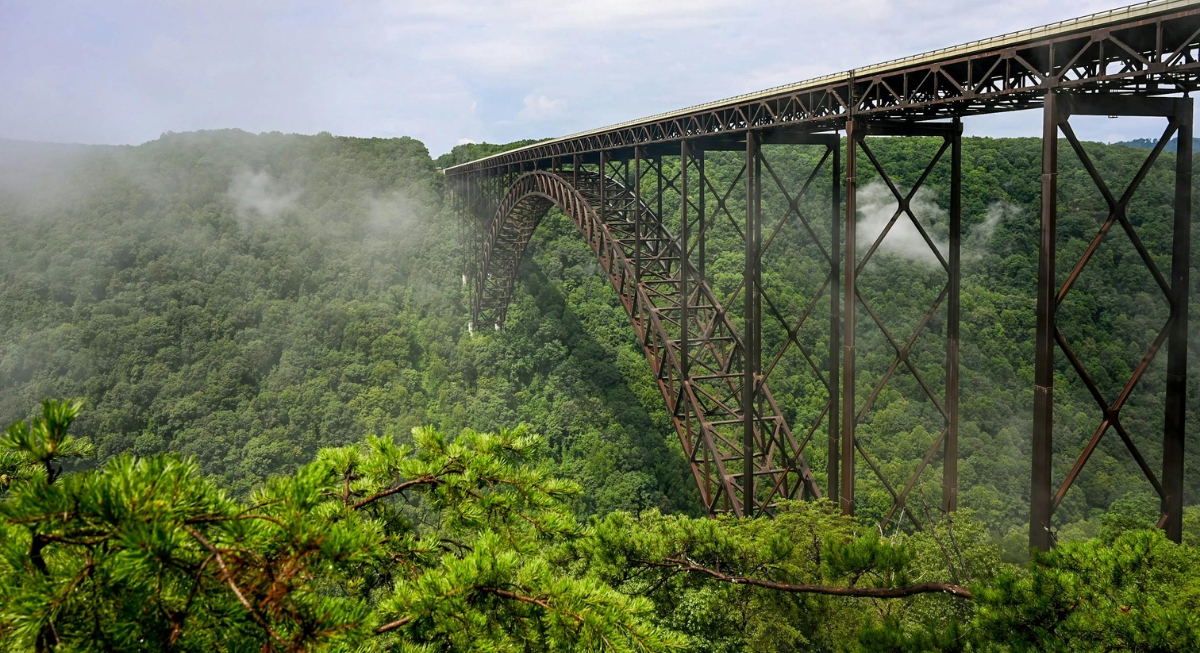
The New River Gorge Bridge has a strange effect on first-time visitors because the brain struggles to judge its scale correctly. From certain angles, the steel arch looks delicate against the mountains. But when you notice cars moving across the deck, you suddenly realize how enormous the structure actually is. The bridge covers more than 3,000 feet across the gorge and rises about 876 feet above the river. It is one of the highest vehicle bridges in the United States.
It Completely Changed Travel Through the Region
Credit: Wikimedia Commons
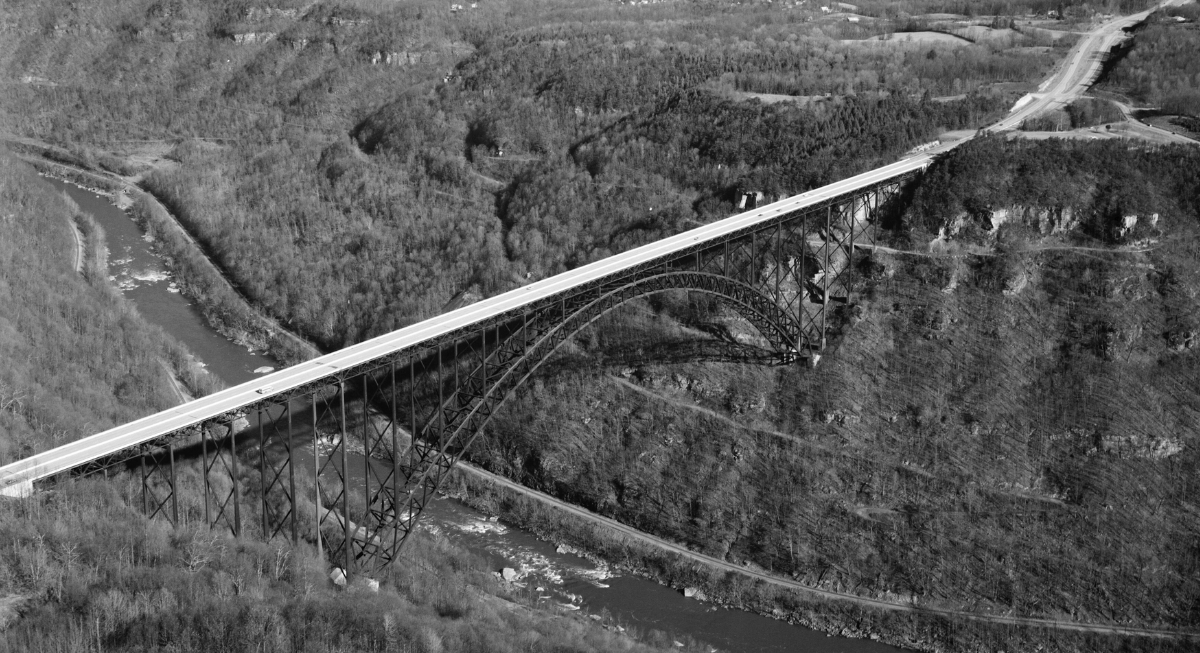
Before tourists came here for sightseeing and rafting, the bridge existed to solve a transportation problem. Crossing the gorge once meant descending steep switchback roads to the river and then climbing back out on the other side. Local drivers still talk about the old route and how a short trip could turn into a frustrating mountain drive. When the bridge opened in 1977, the crossing time between Fayetteville and Lansing dropped dramatically and changed daily life for the surrounding communities.
The Canyon Rim Overlook Delivers the Classic View
Credit: Tripadvisor
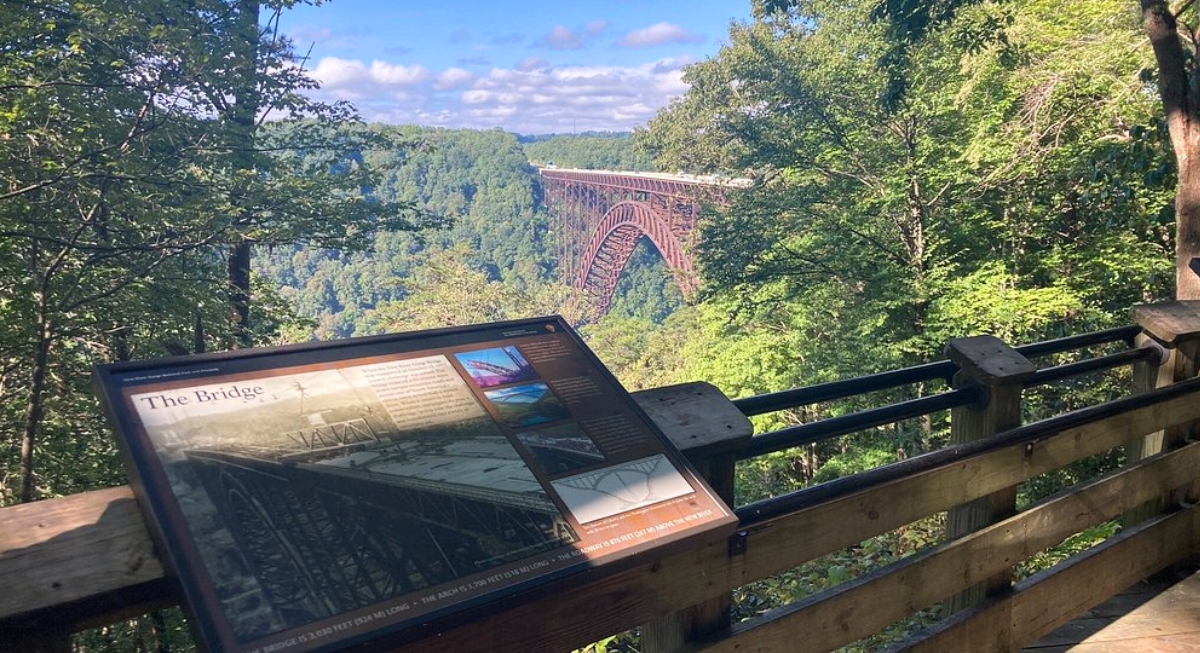
The Canyon Rim area offers visitors a scenic view upon arrival. A short boardwalk near the visitor center opens to one of West Virginia's best-known views, with the steel arch framed above the gorge and thick forest spreading across the surrounding hillsides. Morning fog sometimes settles low along the river while evening light catches a different view of the bridge. The overlook also helps visitors understand the geography that made the bridge necessary in the first place.
The Bridge Walk Lets Visitors Go Underneath the Structure
Credit: Facebook
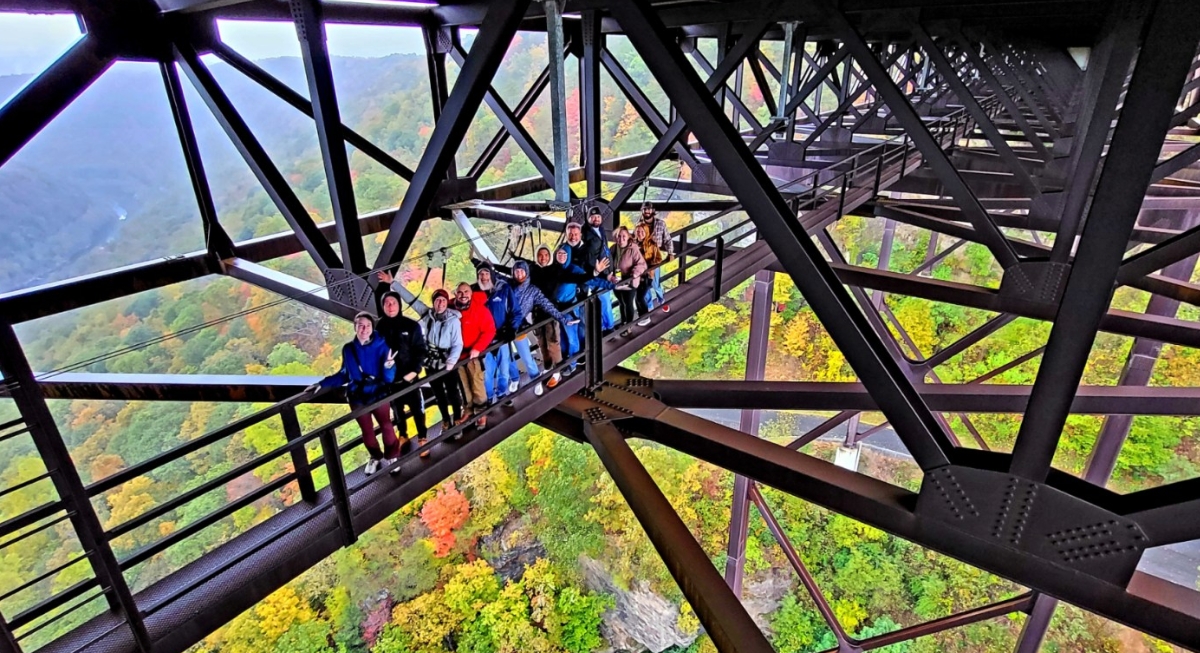
The guided Bridge Walk tour takes small groups onto the catwalk suspended beneath the roadway, where every passing truck can be heard rumbling overhead. Driving across the bridge barely prepares visitors for what it feels like underneath. Participants are clipped into a safety system before stepping onto the grated walkway, which allows direct views toward the river far below. The experience changes depending on weather conditions. Wind moves through the steel framework differently on cold mornings than it does during humid summer afternoons.
Bridge Day Turns the Entire Area Into a Spectacle
Credit: Facebook
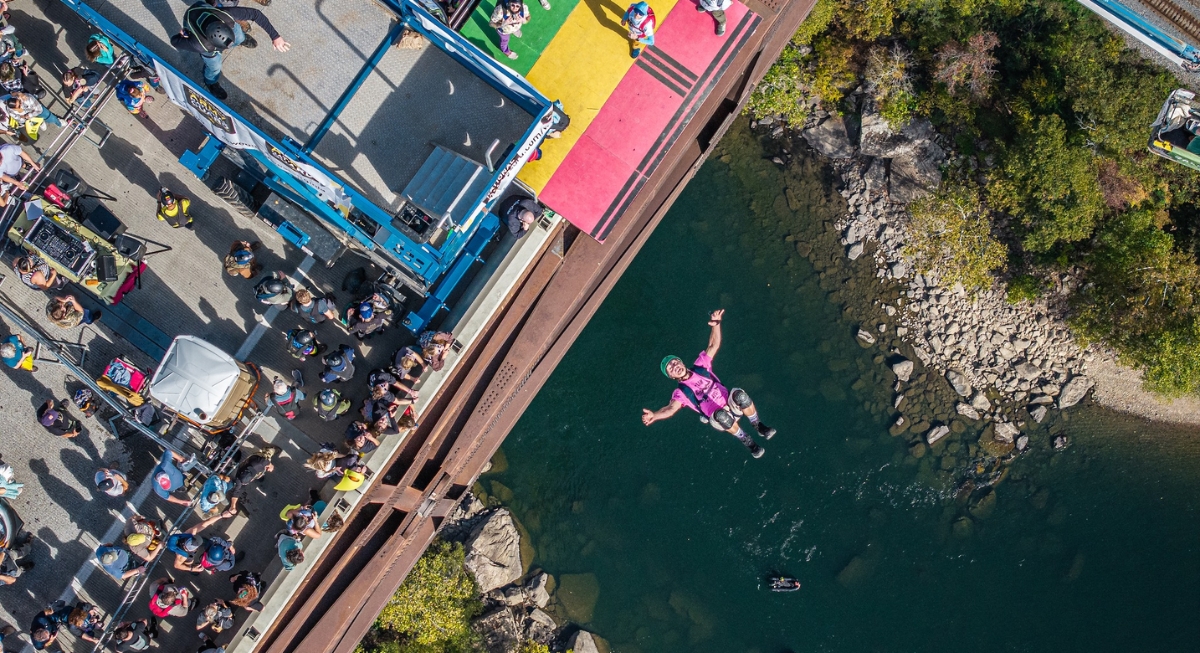
On the third Saturday every October, the New River Gorge Bridge celebrates Bridge Day. This closes it to vehicles and opens it to pedestrians, BASE jumpers, rappellers, vendors, photographers, and thousands of spectators. It's like a festival. Crowds line the bridge railings, watching jumpers disappear into the gorge below before parachutes suddenly open against the mountain backdrop. The event draws participants from around the world.
The Views Change With the Seasons
Credit: Wikimedia Commons
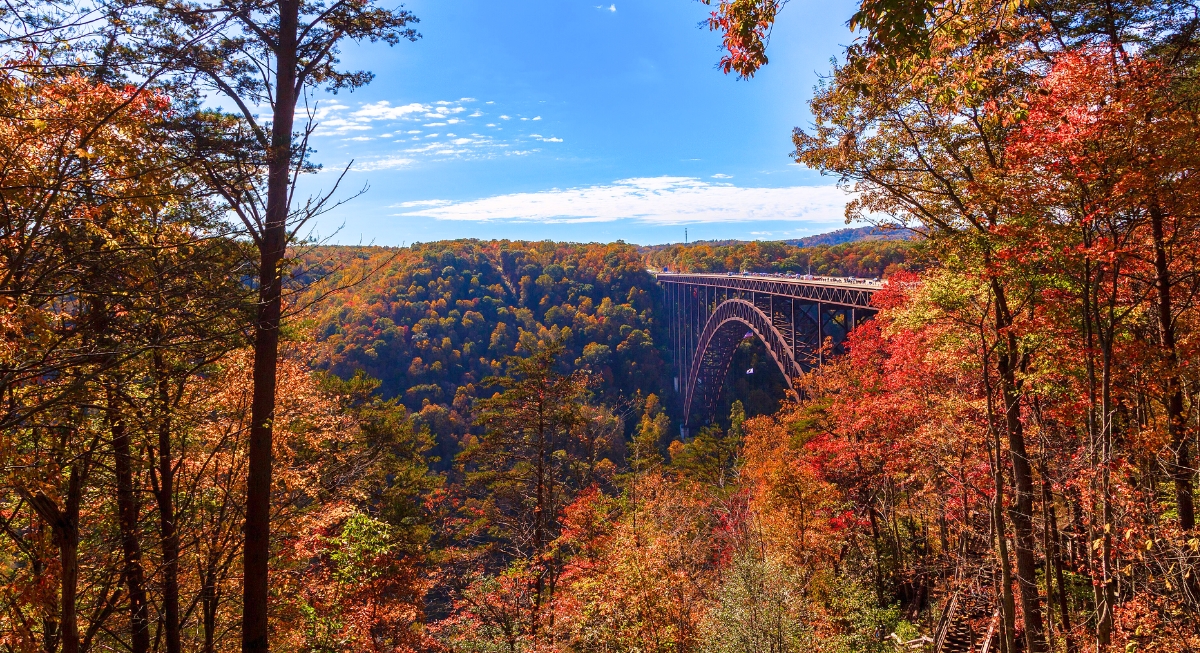
The surrounding landscape changes constantly throughout the year. For travelers returning in another season, it can look like a completely different destination. Fall usually draws the largest crowds when Appalachian forests bloom into orange, yellow, and deep red across the gorge. Spring brings strong river flow from seasonal rain and fresh greenery climbing the canyon walls. In summer, the park is filled with rafters and hikers. Winter snow sometimes settles along the steel framework while fog rolls through the valley beneath the arch.
Rafting Trips Reveal an Entirely Different Perspective
Credit: Tripadvisor
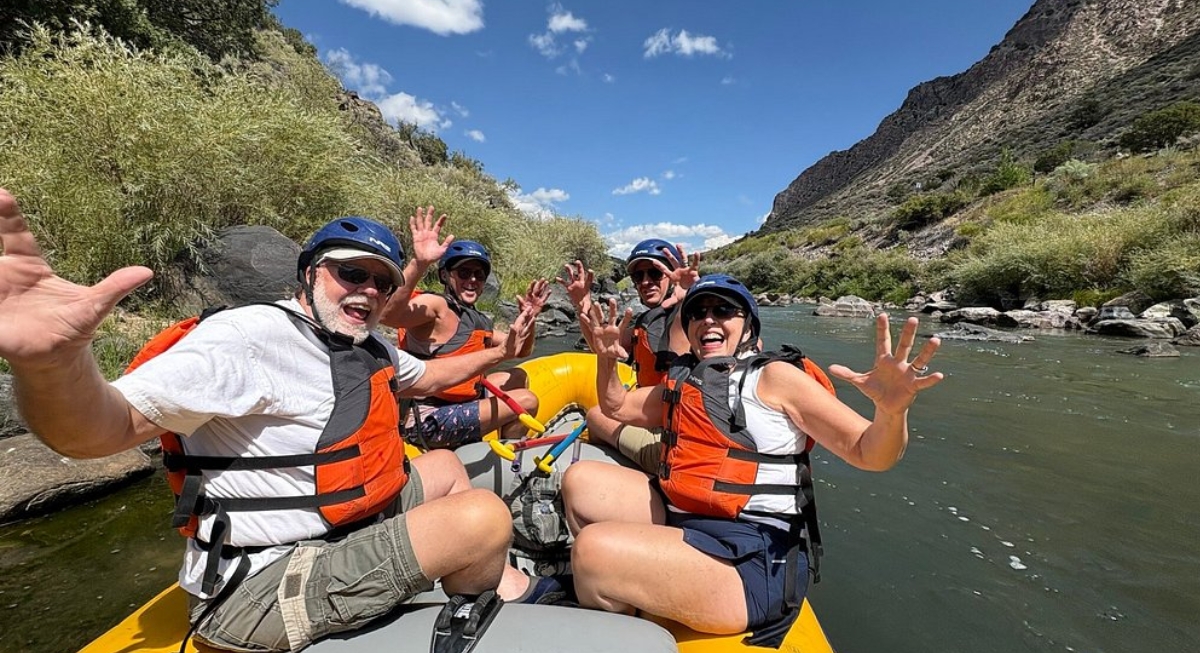
Looking down from the bridge is impressive, but floating beneath it changes the scale completely. Rafting trips through the New River Gorge approach the bridge slowly, which gives passengers time to watch the steel arch rise higher and higher above the river. From the water level, the structure appears to be planted directly into the mountains. Guides usually point out details hidden from roadside overlooks, including rock formations, abandoned mining remnants, and the bridge’s enormous support system above the gorge.
It Is Inside One of America’s Newest National Parks
Credit: Wikipedia
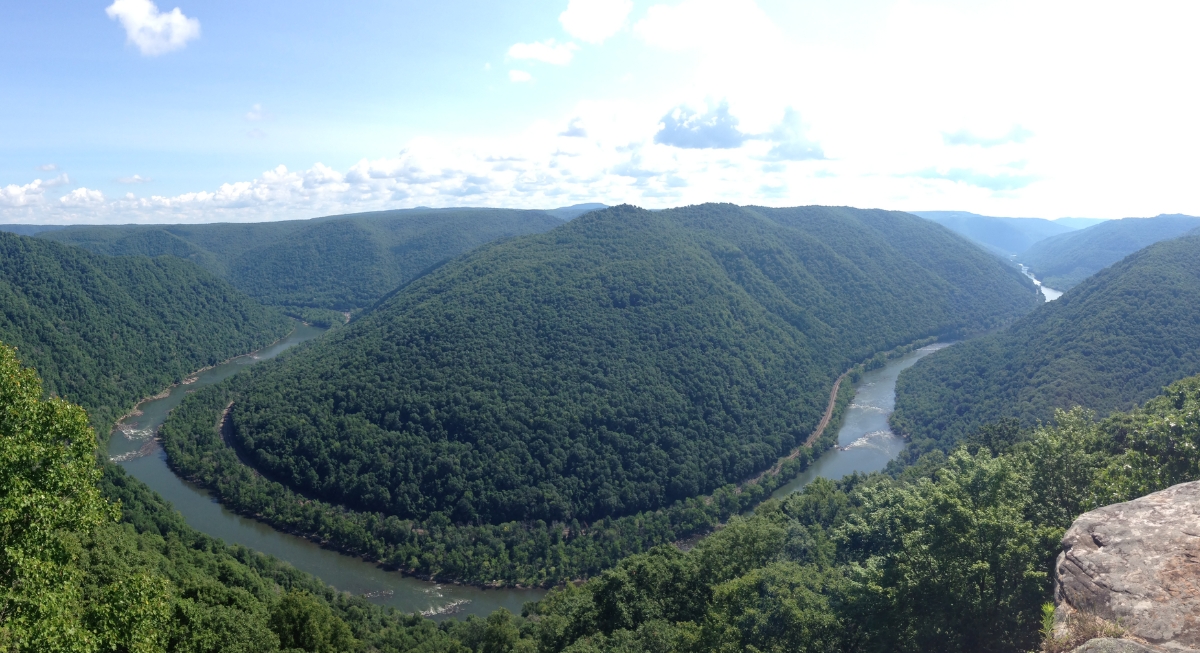
The bridge gains extra appeal from its location inside New River Gorge National Park and Preserve, which became a national park in 2020. That designation put the area on more travelers’ radars and highlighted the extensive outdoor recreation surrounding the bridge. The park also protects a large section of forested Appalachian landscape. It is still rugged in many areas. Visitors can spend the morning photographing the overlook, then shift into hiking, climbing, fishing, biking, or rafting without leaving the region.
Fayetteville Adds More Than Just a Quick Rest Stop
Credit: Getty Images
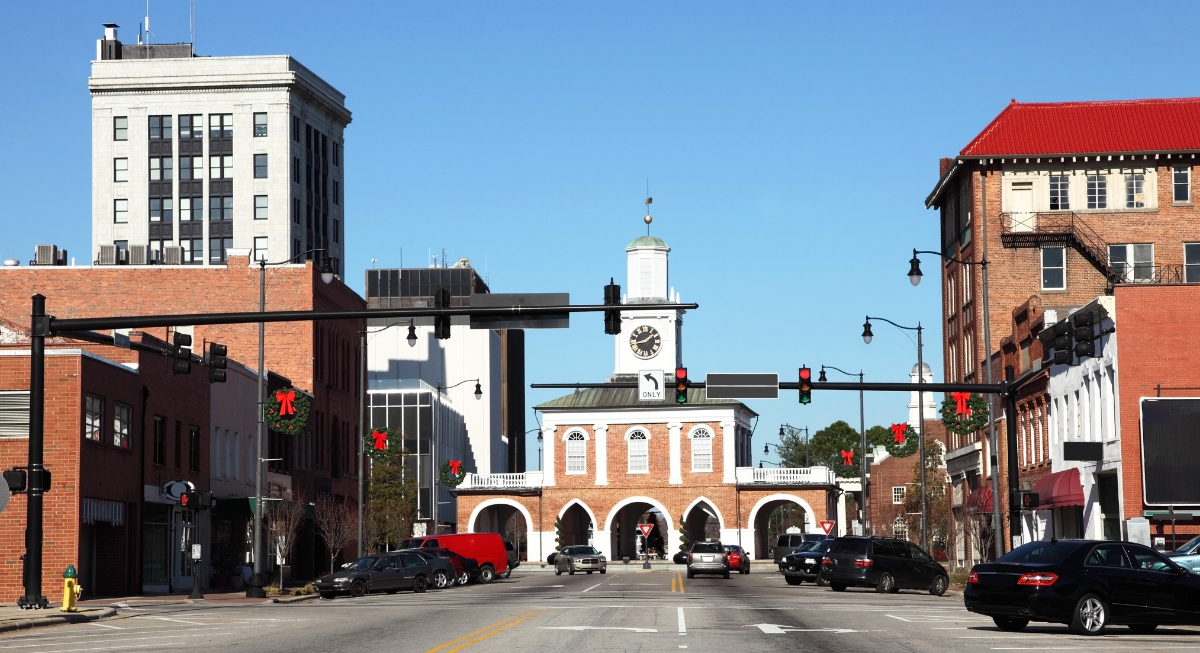
Fayetteville gives the New River Gorge Bridge a stronger sense of place and a reason to stay longer. The small town near the southern end of the bridge has built a reputation around outdoor recreation, with rafting companies, climbing shops, coffee spots, breweries, and local restaurants packed into a compact walkable area. Fayetteville helps the bridge connect to a functioning mountain community.
It Became a Symbol of West Virginia Itself
Credit: Getty Images
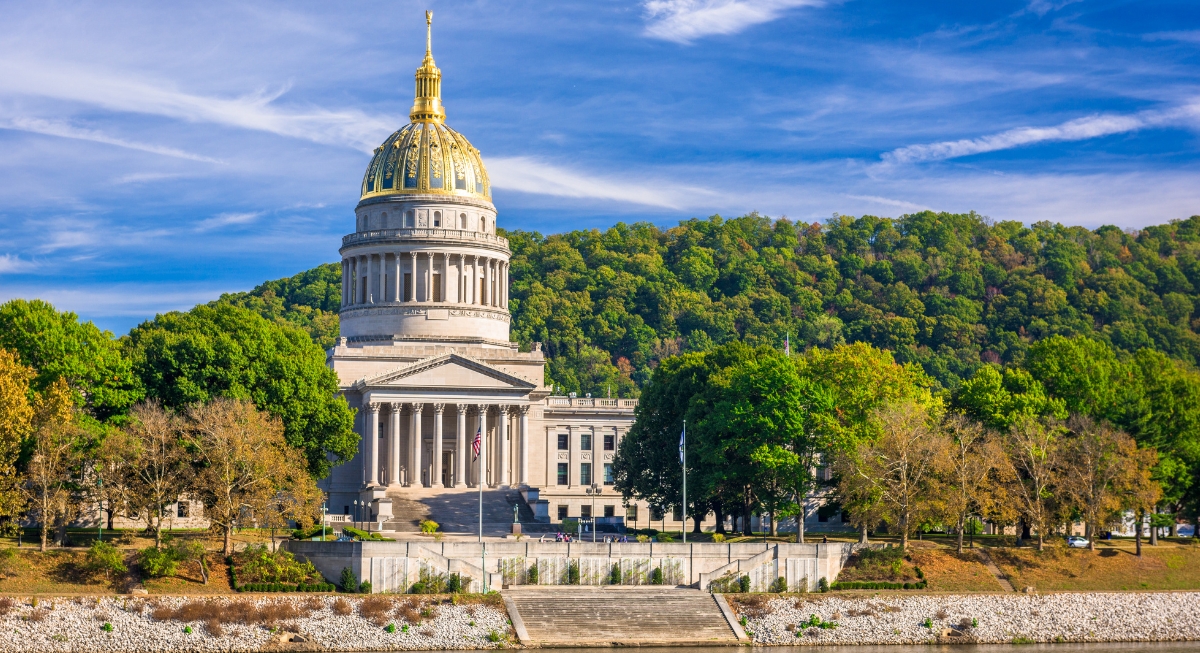
The New River Gorge Bridge has been representing West Virginia for years. The arch appears on postcards, tourism campaigns, travel photography collections, and souvenirs across West Virginia. It reflects the region’s mountain geography, industrial history, engineering ambition, and outdoor recreation culture in a single image. Even travelers who know little about West Virginia usually recognize the bridge.