
There’s something about mythology that makes certain places feel untouchable, like they belong to a time long gone. Some look exactly as you’d imagine—otherworldly, cinematic, almost too perfect to be real. Others are more subtle, requiring a bit of imagination (or a local’s storytelling skills) to bring the legend to life. Either way, they exist, and if you’re into history, mythology, or just exploring places with incredible backstories, this list is worth bookmarking.
The Ruins of Troy, Turkey
Credit: flickr
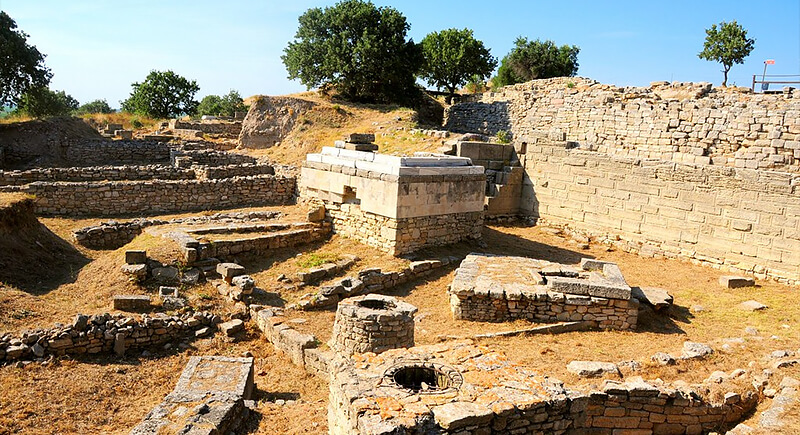
Homer’s Iliad might be myth, but Troy is real. Known today as Hisarlik, the site reveals multiple layers of ancient cities, one of which—Troy VII—is widely believed to be the setting of the Trojan War. Whether or not Achilles and Hector fought here, the ruins tell a fascinating story of a city that once stood at the heart of epic conflict.
Shangri-La, Tibet (or Maybe Not?)
Credit: flickr
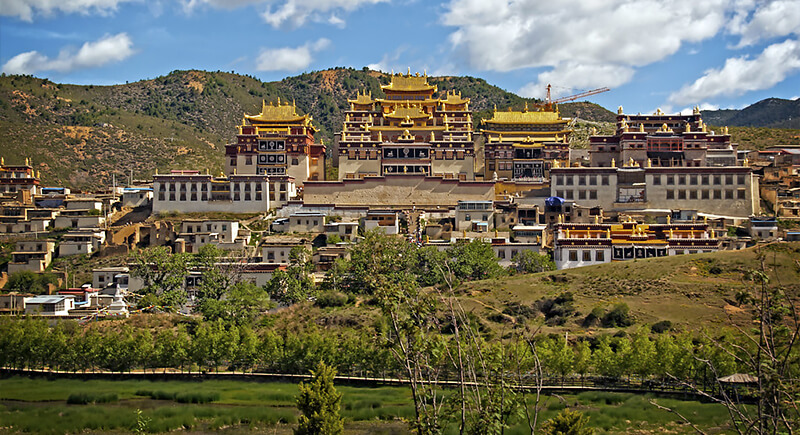
James Hilton’s Lost Horizon gave us the idea of Shangri-La, a secret utopia hidden in the mountains. While the name was entirely fictional, a city in China actually renamed itself Shangri-La in 2001. Another potential inspiration? The Hunza Valley in Pakistan, a place known for its isolated beauty and long-lived residents. Either way, if you’re looking for a real-world version of a mystical paradise, these spots come close.
Loch Ness, Scotland
Credit: Reddit
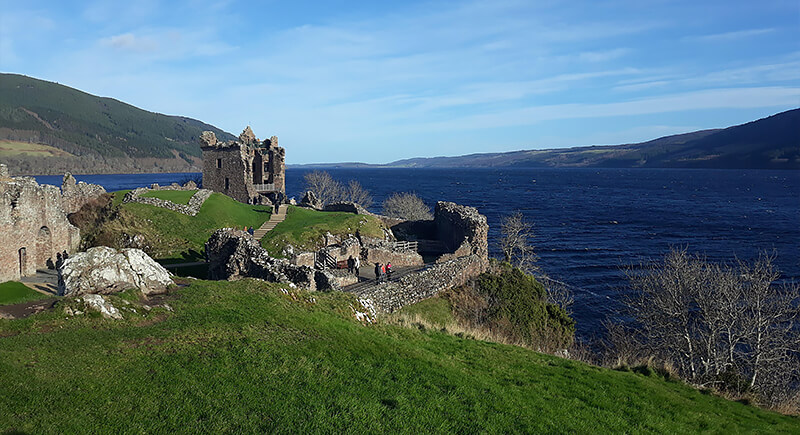
A cold, deep loch in the Scottish Highlands with a history of monster sightings dating back to the 6th century. While the existence of Nessie is up for debate, the loch itself is undeniably real. Whether you’re here for the folklore or just to admire the eerie, mist-covered waters, Loch Ness holds its place as one of the world’s most famous mythical locations.
Sherwood Forest, England
Credit: Getty Images
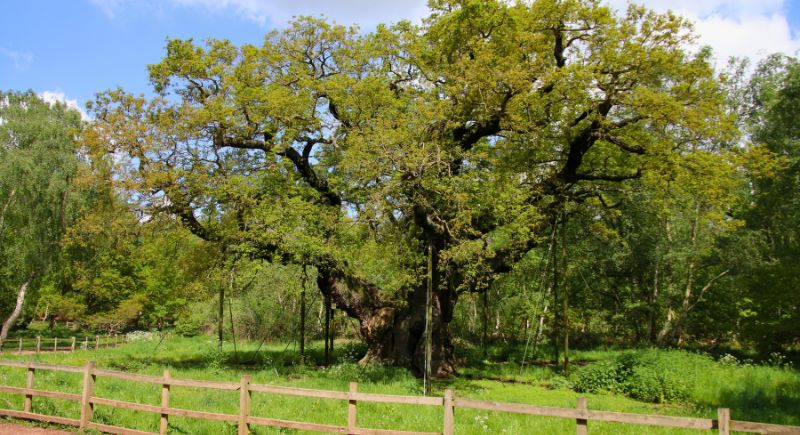
Robin Hood’s old stomping grounds? Not just a legend. Sherwood Forest is real, sprawling across Nottinghamshire, and it’s still home to the ancient Major Oak, rumored to be where Robin Hood once hid. Whether he actually existed is a different story, but the forest still carries the weight of centuries-old tales.
Mount Olympus, Greece
Credit: Reddit
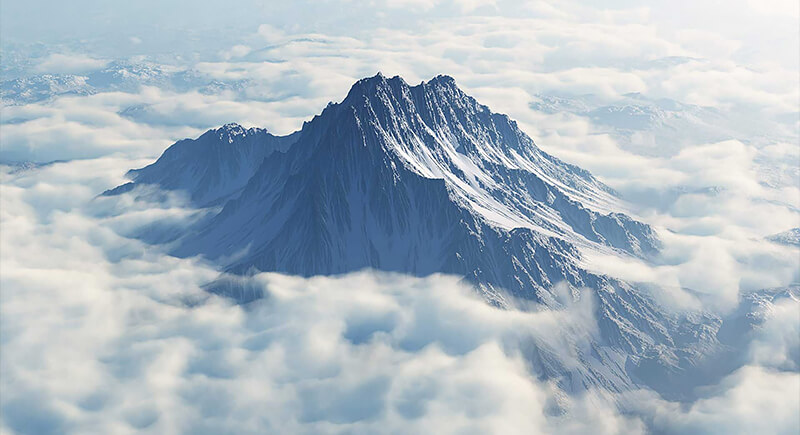
It doesn’t get more legendary than this—home of the Greek gods. Towering over Greece, Mount Olympus is steeped in mythology, particularly Stefani Peak, known as Zeus’s throne. While no gods were found when climbers first summited it in 1913, the mountain remains an awe-inspiring place, with trails leading through misty forests and rocky cliffs.
Hobbiton, New Zealand
Credit: flickr
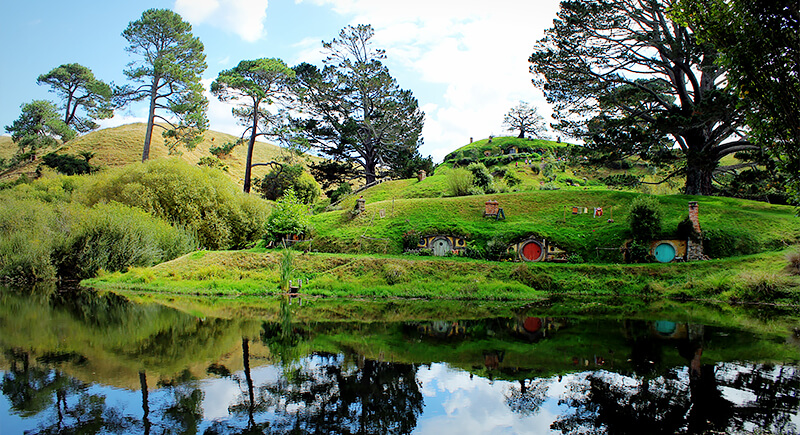
One of the few mythical places that didn’t exist… until it did. Originally built as a movie set for The Lord of the Rings, Hobbiton in Waikato, New Zealand was rebuilt permanently for The Hobbit trilogy. Now, it’s a real-life Shire, complete with round doors, rolling green hills, and even a working Green Dragon Inn.
Giant’s Causeway, Northern Ireland
Credit: flickr
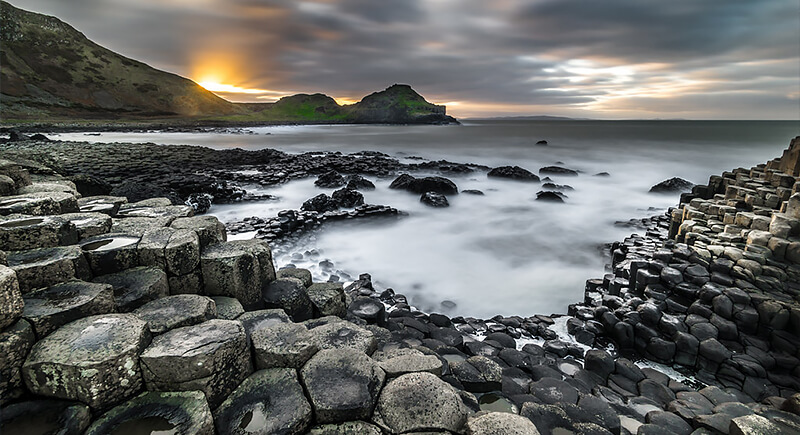
A stunning natural formation of 40,000 basalt columns, Giant’s Causeway is tied to the legend of the Irish giant Fionn mac Cumhaill, who supposedly built it as a bridge to fight a rival giant in Scotland. Science says volcanic activity formed it, but standing among those massive, geometric stones, it’s easy to see why mythology took over.
Lake Guatavita, Colombia (El Dorado’s Gold?)
Credit: flickr
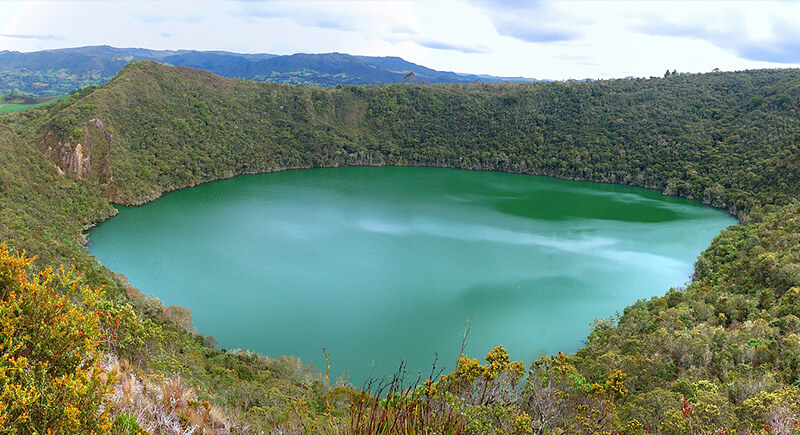
El Dorado was never just a city—it was an entire concept, built around the idea of a gold-covered ruler making offerings to the gods. Lake Guatavita, a remote crater lake, was once the site of these offerings by the Muisca people, and Spanish explorers spent years searching for treasure here. While no golden city was found, traces of ritual gold remain, hinting at a legend that wasn’t entirely fiction.
Cyclopean Isles, Sicily
Credit: flickr
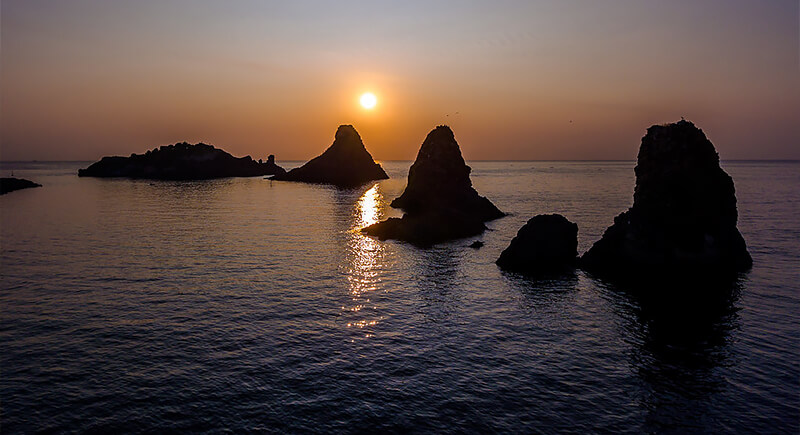
If you ever stared at the ocean as a kid and imagined a giant throwing boulders, congratulations—you were probably picturing these. Rising from the waters off Sicily’s eastern coast, the Cyclopean Isles are said to be the very stones hurled by the enraged Polyphemus in Homer’s Odyssey. This was the one-eyed giant who tried to eat Odysseus, only to be blinded and outwitted. Even if you don’t care for ancient Greek drama, the sight of these columnar rocks against the sea is worth the trip.
Knockma Hill, Ireland
Credit: Facebook
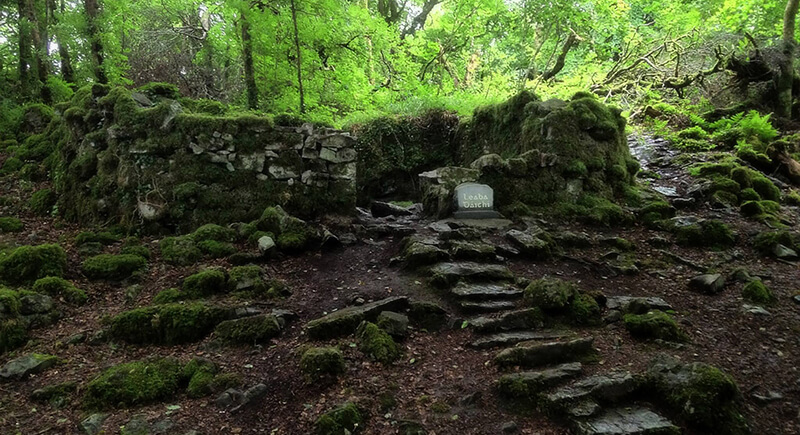
Not all fairy tales are soft and whimsical. Some, like the legends surrounding Knockma Hill, are rooted in power struggles and famine. This prehistoric site is said to be the home of Finvarra, King of the Aos Sí, a Celtic fairy ruler whose battles determined the fate of crops. Good harvests meant he was winning; famines meant he was absent. Some stories even claim he’s the ruler of the dead, adding an eerie weight to the landscape. The hill itself? Still dotted with ancient burial mounds, standing as quiet witnesses to a history that blends reality and myth.
Takachiho, Japan
Credit: flickr
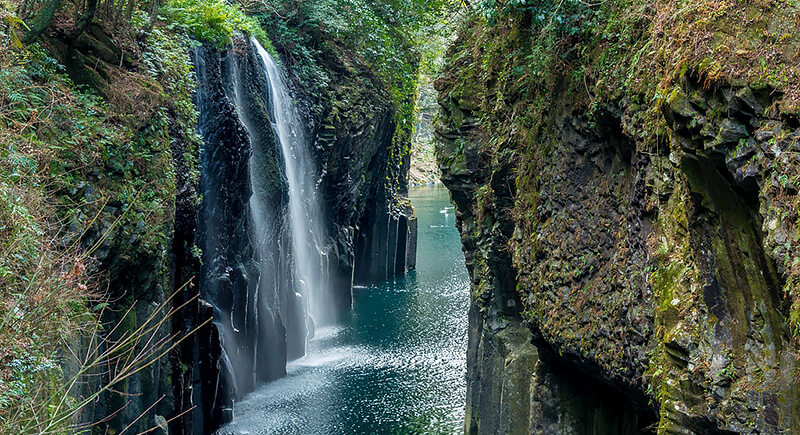
Deep in Kyushu, Japan, Takachiho isn’t just a scenic town—it’s a place tied to the origins of Japan’s imperial lineage. According to legend, the sun goddess Amaterasu sent her grandson here, bringing sacred treasures that established the imperial house. Today, Takachiho’s landscape is almost mystical on its own, with cloud-covered mountains and deep gorges that make it easy to believe gods once descended here.
Xanadu, China
Credit: Reddit
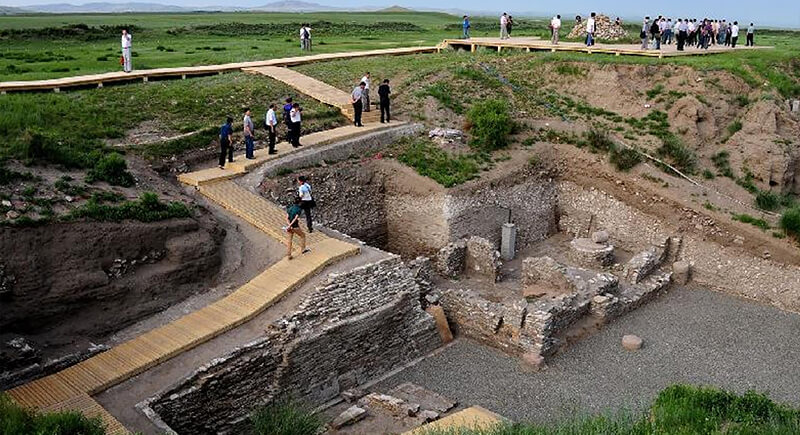
Before it was a dreamy poem, Xanadu was a real place—Shangdu, the summer capital of Kublai Khan’s empire. Marco Polo visited and wrote about its grandeur, but it wasn’t until Samuel Taylor Coleridge’s opium-fueled poem Kubla Khan that it became synonymous with a lost paradise. The ruins still stand in Inner Mongolia, recognized as a UNESCO World Heritage Site, even if the pleasure dome Coleridge envisioned remains purely poetic.
Cornwall, England
Credit: Reddit
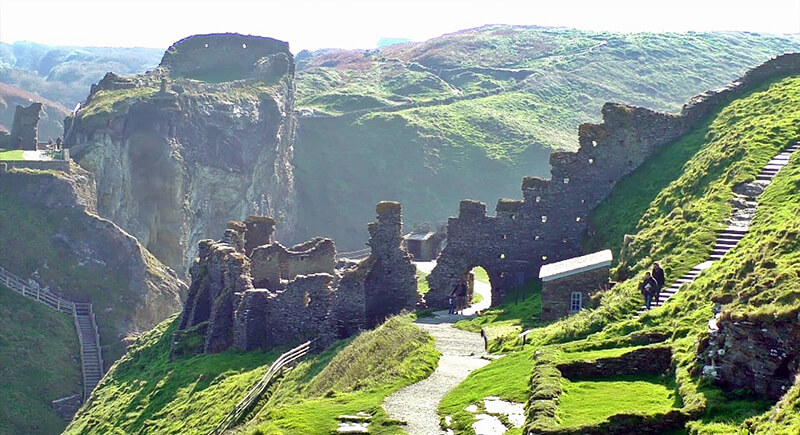
If you grew up on King Arthur stories, this is the place to visit. Cornwall is home to Tintagel Castle, often said to be Arthur’s birthplace, as well as Merlin’s Cave, where the wizard was believed to have lived. Even if you’re skeptical about the whole sword-in-the-stone thing, the rugged cliffs and medieval ruins make it easy to see why this place has inspired legends for centuries.
Tono, Japan
Credit: flickr
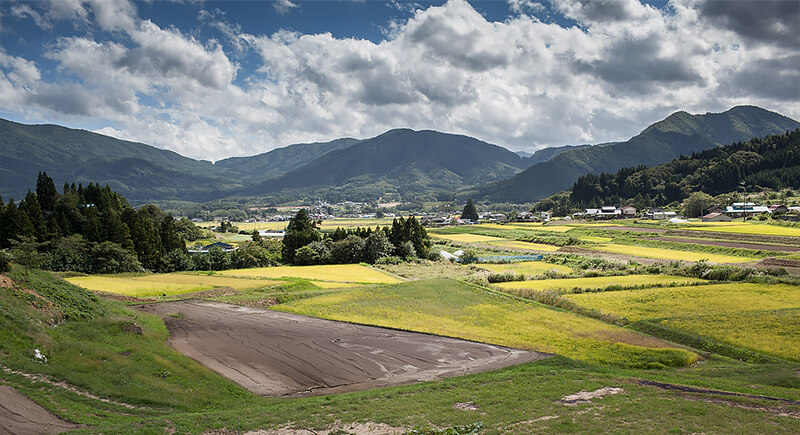
Known as the City of Folklore, Tono is packed with legendary creatures—most notably the kappa, water-dwelling tricksters that like to cause mischief. The town embraces its mythical heritage, with festivals and folklore museums keeping these old tales alive. Even if you don’t spot a kappa, Tono’s countryside and historic atmosphere make it a unique visit.
Santorini, Greece (aka Atlantis?)
Credit: Facebook
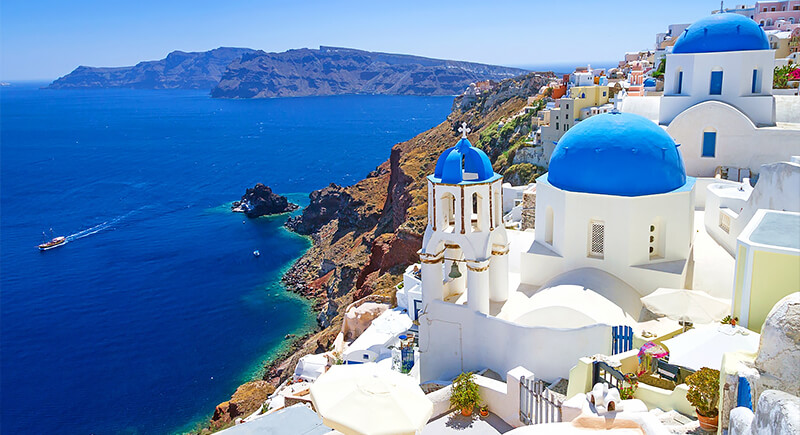
Santorini’s stunning cliffs and deep blue waters have led some to believe it could be the real Atlantis. A massive volcanic eruption wiped out much of the ancient civilization here, aligning with Plato’s descriptions of a lost, advanced society swallowed by the sea. It might not be definitive proof, but it makes for an interesting theory.
Uluru, Australia
Credit: Wikimedia Commons
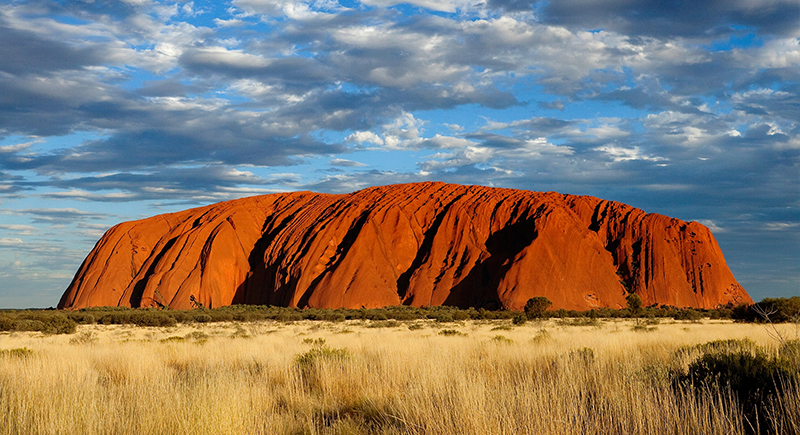
Uluru, also known as Ayers Rock, is an iconic sandstone monolith located in the heart of the Australian Outback. While it may seem like a natural wonder straight out of ancient myth, this sacred site holds deep spiritual significance for the Anangu people, who have cared for it for thousands of years.
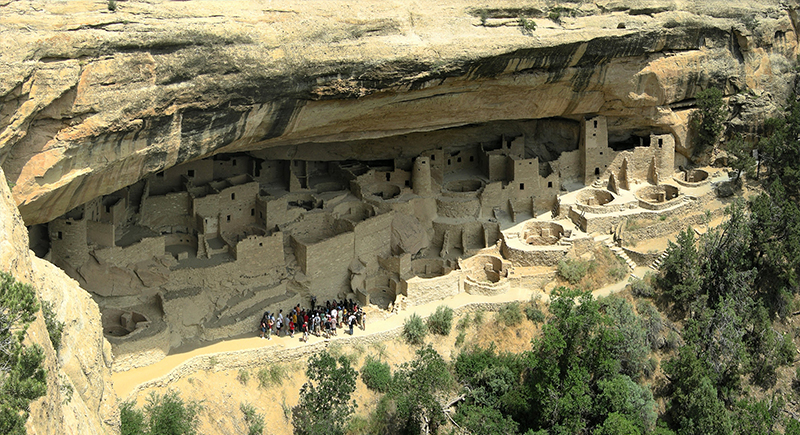
Mesa Verde, Colorado
Credit: Wikimedia Commons
Mesa Verde is a breathtaking archaeological site, home to the cliff dwellings of the Ancestral Puebloans. Carved into the cliffs of Colorado’s desert landscape, it’s like stepping into a real-life legend. The perfectly preserved structures offer a glimpse into the lives of a civilization that once thrived in the area.