
Travel today is more exhausting than restorative. Many trips are built around packed itineraries, tight timelines, and the pressure to make every moment count. Even downtime ends up scheduled. That approach is now being reconsidered. As priorities evolve, more travelers are choosing to step back from constant activity. In 2026, a growing majority says their main goal is simply to rest and recharge.
The shift has helped bring hushpitality into focus. It’s a travel approach centered on quiet, reduced stimulation, and a slower pace. Instead of trying to fit more in, it emphasizes creating the conditions that allow you to slow down and feel present again.
Stop Structuring Your Trip Around Constant Activity

Credit: pexels
The calendar can easily take over a trip. When every hour is planned, your attention stays fixed on what comes next instead of where you are. Hushpitality leans toward a looser structure. Leaving open space in your day gives you time to settle into your surroundings and allows experiences to unfold naturally instead of being rushed.
Reduce Digital Input

Credit: Getty Images
Silence is harder to access when your attention is constantly being pulled elsewhere. Notifications, messages, and endless scrolling can keep your mind active, even in quiet places. Stepping back from that digital noise can make it easier to engage with your surroundings and experience a deeper sense of calm.
Choose Environments That Limit Sensory Overload

Credit: Getty Images
The atmosphere of a place shapes your experience from the start. Some environments naturally soften sound and visual clutter, while others overwhelm the senses. Hushpitality emphasizes destinations where the pace is slower, and the surroundings feel more subdued. When the environment is calm by default, it becomes easier to relax without effort.
Pay Attention to How Spaces Are Designed

Credit: maxbelchenko
Beyond the location itself, the design of a space plays a subtle but important role. Materials, layout, and acoustics all influence how a place feels. Natural elements, thoughtful spacing, and sound-conscious design can help reduce overstimulation. These details often work in the background.
Travel Alone to Set Your Own Rhythm

Credit: Getty Images
Solo travel has become increasingly popular within this shift toward quieter experiences. Without the need to match someone else’s schedule or preferences, you can move at your own pace. The flexibility makes it easier to pause, explore, or rest when it feels right.
Limit Unnecessary Social Interaction
Credit: Getty Images
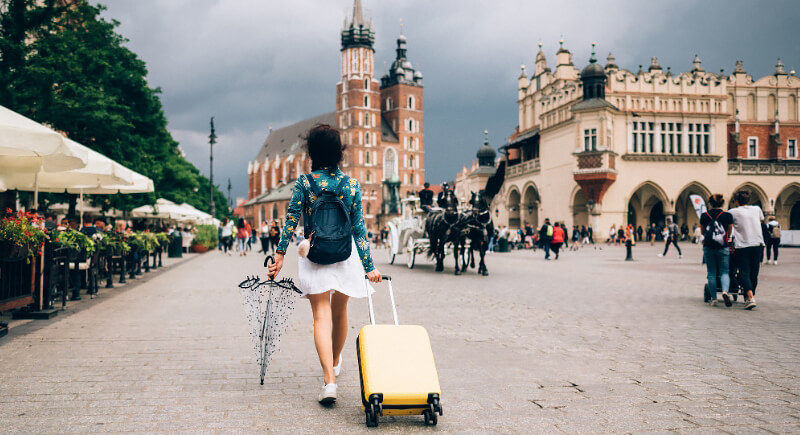
Not every moment of a trip needs conversation or engagement. Even positive interactions can keep your attention focused outward. Hushpitality favors fewer, more intentional exchanges. Reducing that social load allows your mind to settle and gives you more space to take in your surroundings without constant interruption.
Prioritize Sleep and Consistent Rest
Credit: pexels
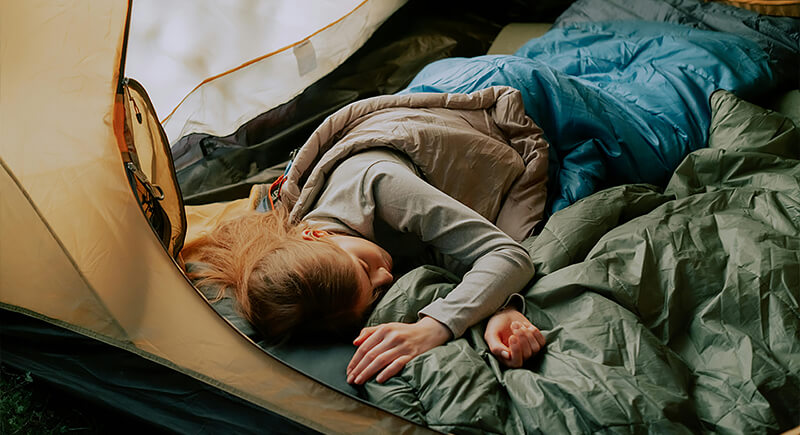
Rest plays a central role in this approach to travel. It’s not just something reserved for the end of the day. Sleep quality, a slower pace, and moments of stillness throughout the day all contribute to how refreshed you feel.
Let Calm Build Over Time

Credit: Getty Images
A quieter pace doesn’t always feel natural right away. It can take time to adjust to less noise and fewer distractions. As your environment and habits begin to align, the sense of calm tends to build gradually. Giving yourself time to settle into that rhythm often leads to a more lasting sense of ease.
Choose Activities That Support Presence

Credit: Getty Images
Not all activities disrupt calm. Some help reinforce it. Quiet, focused experiences like guided walks, meditation, or gentle movement can anchor your attention without adding pressure. These activities are less about filling time and more about staying engaged without overstimulation.
Build Simple Rituals Into Your Day

Credit: Canva
Small, repeated actions like a slow morning routine, intentional meals, or a quiet evening wind-down help shape the day without adding structure that feels restrictive. Over time, these habits create a steady rhythm that supports a more relaxed state of mind.