
Air travel in 2026 feels noticeably different at the front of the plane. Business class has moved past the idea of a better seat and into something closer to a personal retreat. Airlines are rethinking service and design with surprising precision. The result is a cabin that feels more private and far more intentional than it did even a few years ago.
Sliding Doors That Redefine Personal Space
Credit: Wikimedia Commons
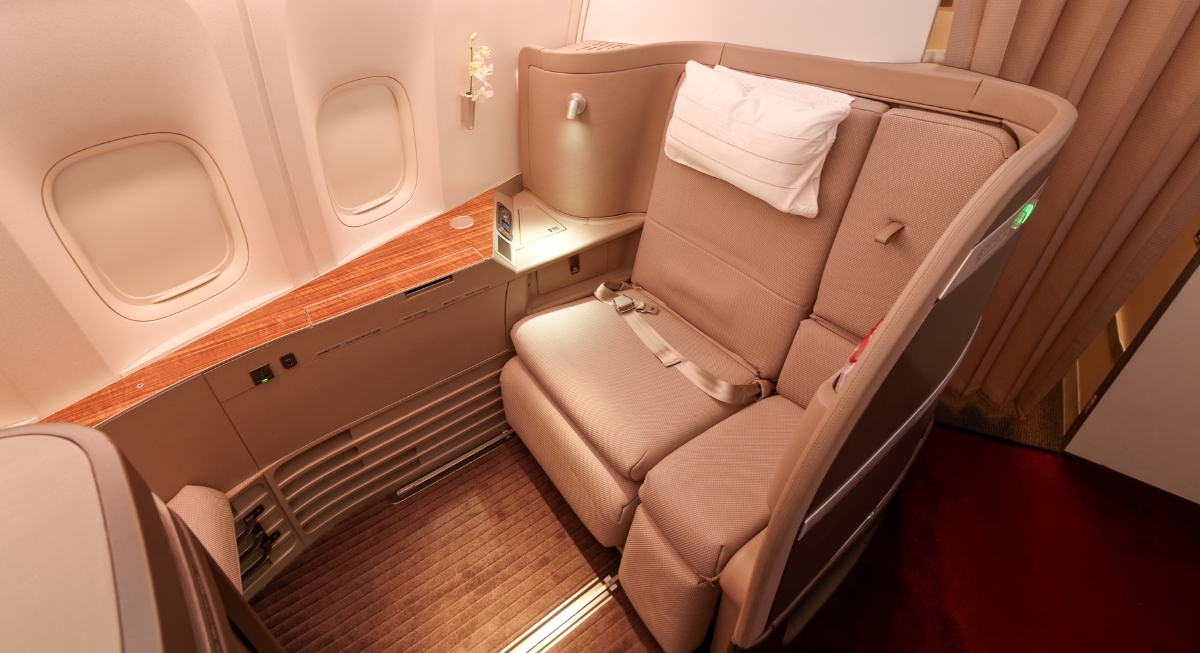
Privacy doors have shifted from novelty to expectation on long-haul routes. Airlines like Qatar Airways and American Airlines now treat enclosed suites as standard rather than premium extras. Once the door slides shut, the cabin fades into the background. Passengers can work, rest, or eat without interruption.
Lighting That Adapts To Mood And Time Zones
Credit: Wikimedia Commons
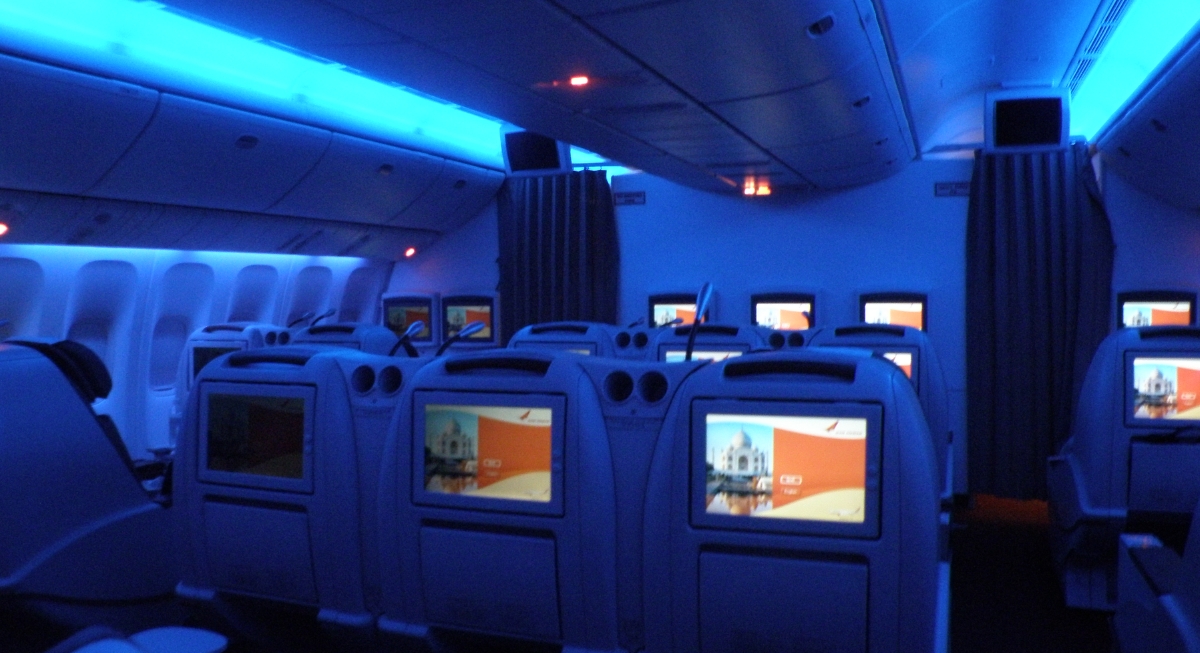
Cabin lighting has grown more sophisticated, moving far beyond overhead brightness controls. Systems now allow subtle adjustments in tone and intensity throughout the flight. Cathay Pacific’s Aria Suite lets passengers fine-tune lighting to match sleep or work preferences. This approach supports circadian rhythms and reduces jet lag.
Seats That Feel Closer To Real Beds
Credit: Wikimedia Commons
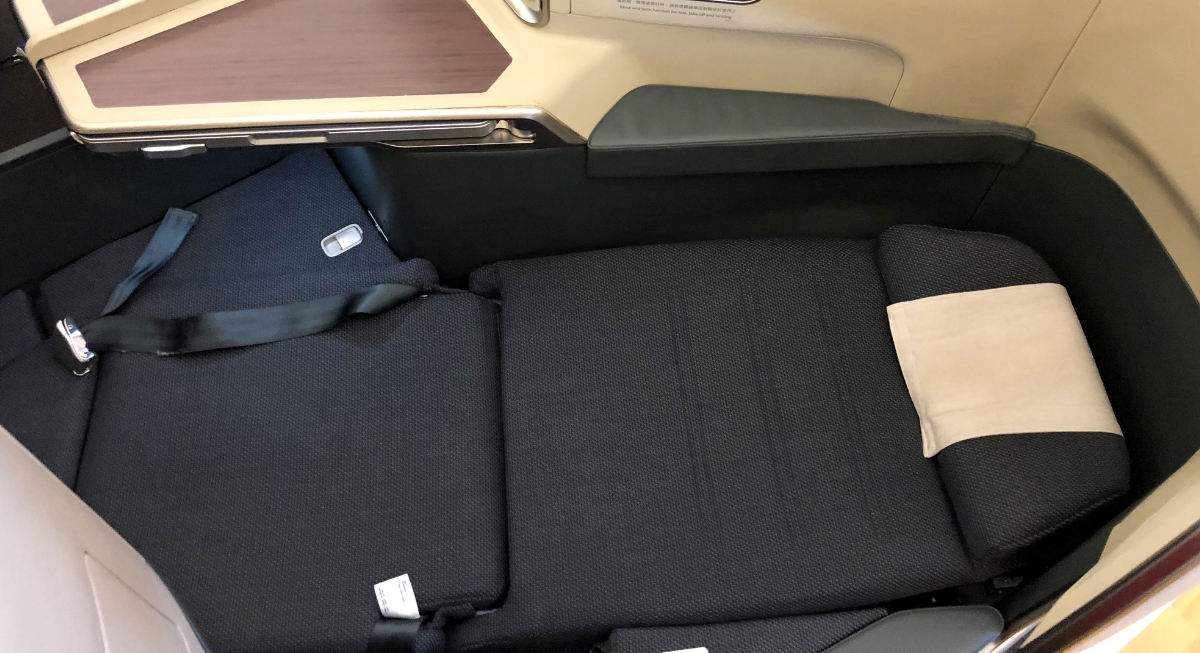
Lie-flat seats used to be the headline feature. Now, airlines focus on how those beds actually feel. Wider sleeping surfaces, improved cushioning, and high-quality bedding have become central to the experience. Air France and ANA have invested heavily in materials that resemble home bedding.
Storage Designed For Daily Life In The Air
Credit: Wikimedia Commons
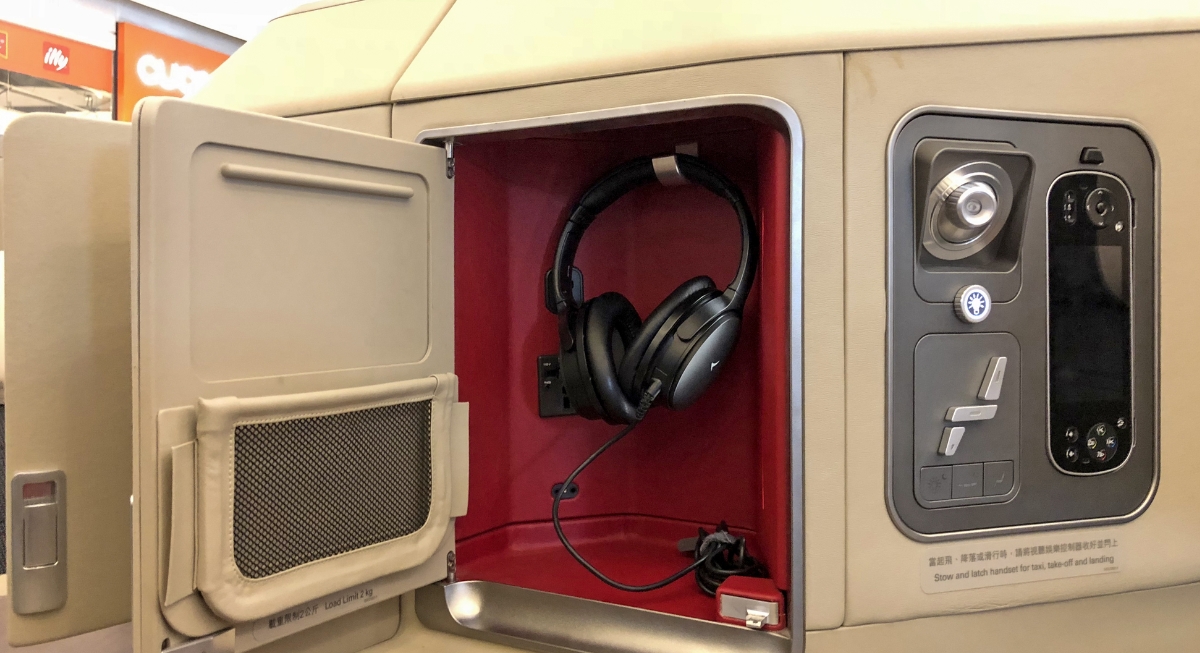
Instead of awkward compartments, newer suites include sliding drawers, enclosed shelves, and easy-access side panels. Cathay Pacific introduced movable storage elements that keep essentials within reach. This matters on longer journeys, where passengers settle in for hours. The cabin begins to feel organized rather than temporary, reducing the need to constantly rearrange personal items mid-flight.
Dining That Runs On Your Schedule
Credit: Wikimedia Commons
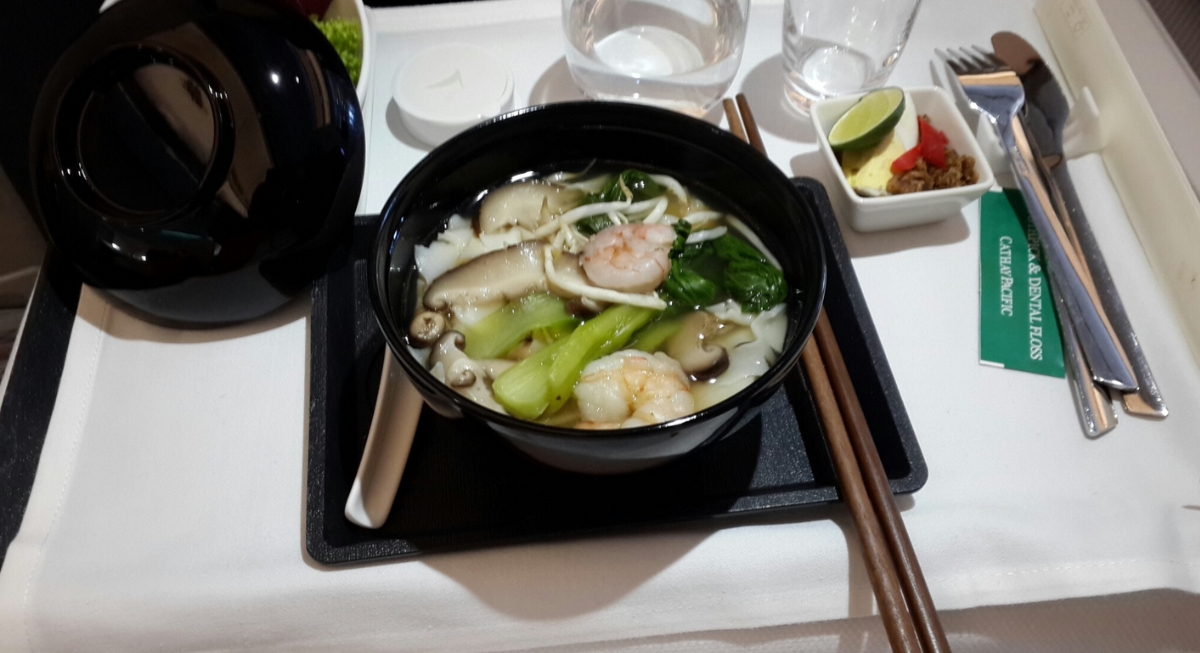
Rigid meal services are fading out in favor of flexible dining. “Dine on demand” allows passengers to eat when it suits them rather than following a fixed schedule. Qatar Airways helped popularize this model, and others have followed. Meals arrive freshly prepared, often with restaurant-style presentation.
Technology That Mirrors A Living Room Setup
Credit: Wikimedia Commons
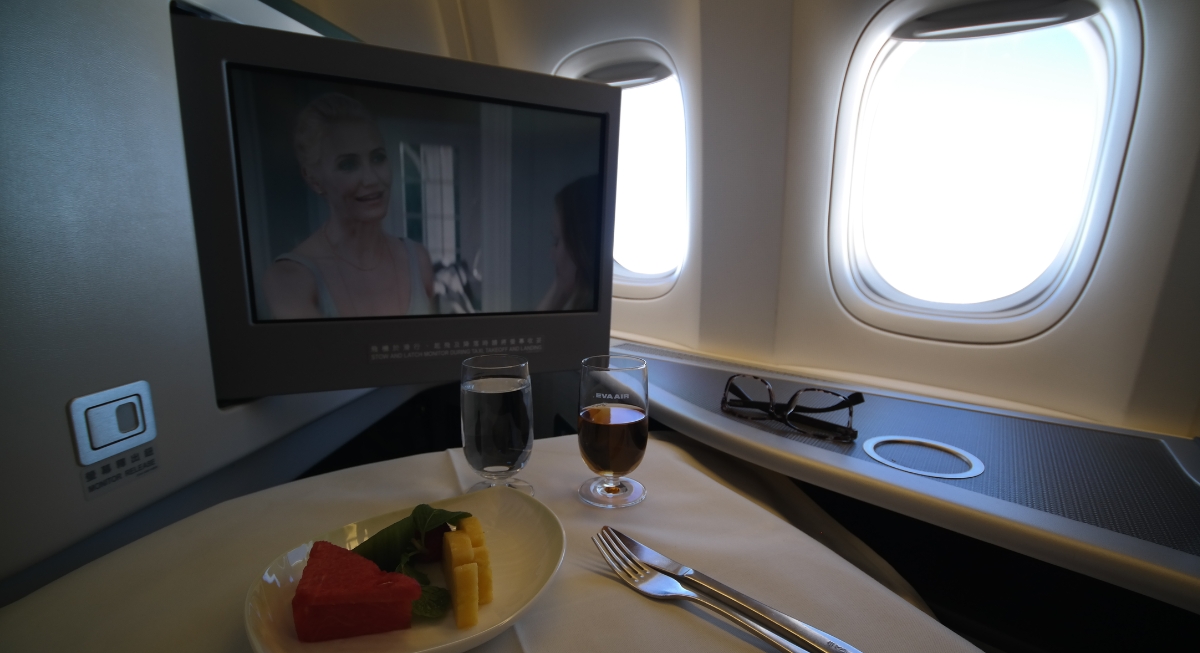
Large 4K screens, Bluetooth connectivity, and faster onboard Wi-Fi bring the experience closer to home viewing. Singapore Airlines and ANA lead in this area, offering screens large enough to rival small televisions. Streaming, gaming, and video calls are now realistic options mid-flight.
Cabin Layouts That Prioritize Direct Access
Credit: Wikimedia Commons
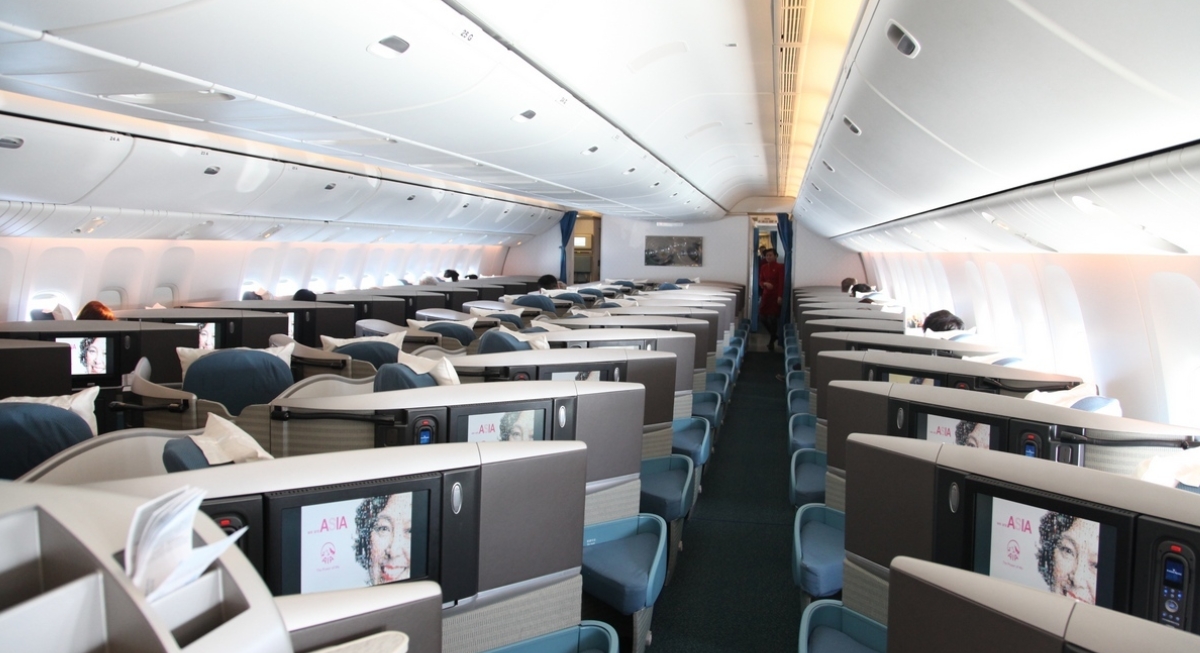
Modern business class cabins now avoid middle-seat compromises. Direct aisle access has become standard across most major airlines. Configurations like 1-2-1 ensure that no passenger needs to step over another. This small change reshapes the entire cabin dynamic. Movement feels easier, and interruptions are reduced. The layout supports independence without drawing attention to it.
Materials That Feel Thoughtfully Chosen
Credit: Wikimedia Commons
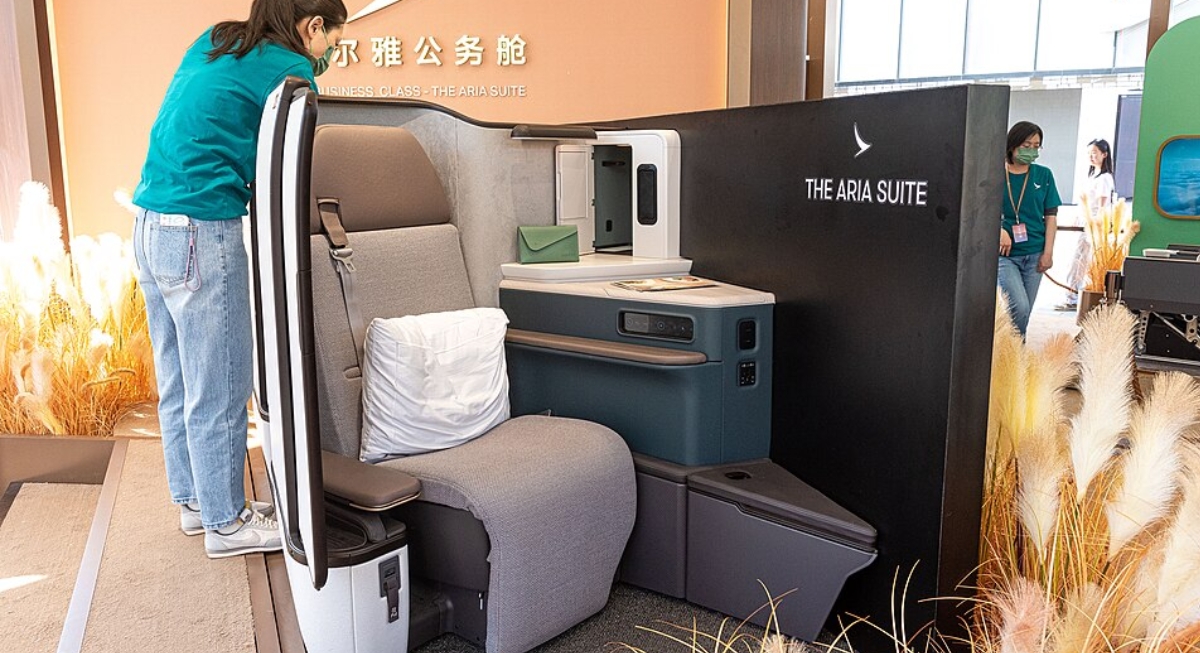
Airlines are paying closer attention to cabin textures and finishes. Soft-touch fabrics and muted color palettes replace older glossy surfaces. Riyadh Air and Air France have leaned into this approach, creating interiors that feel understated and intentional. The cabin no longer feels purely functional and instead carries the tone of a carefully designed interior.
Long-Range Narrowbody Jets Expanding The Experience
Credit: Wikimedia Commons
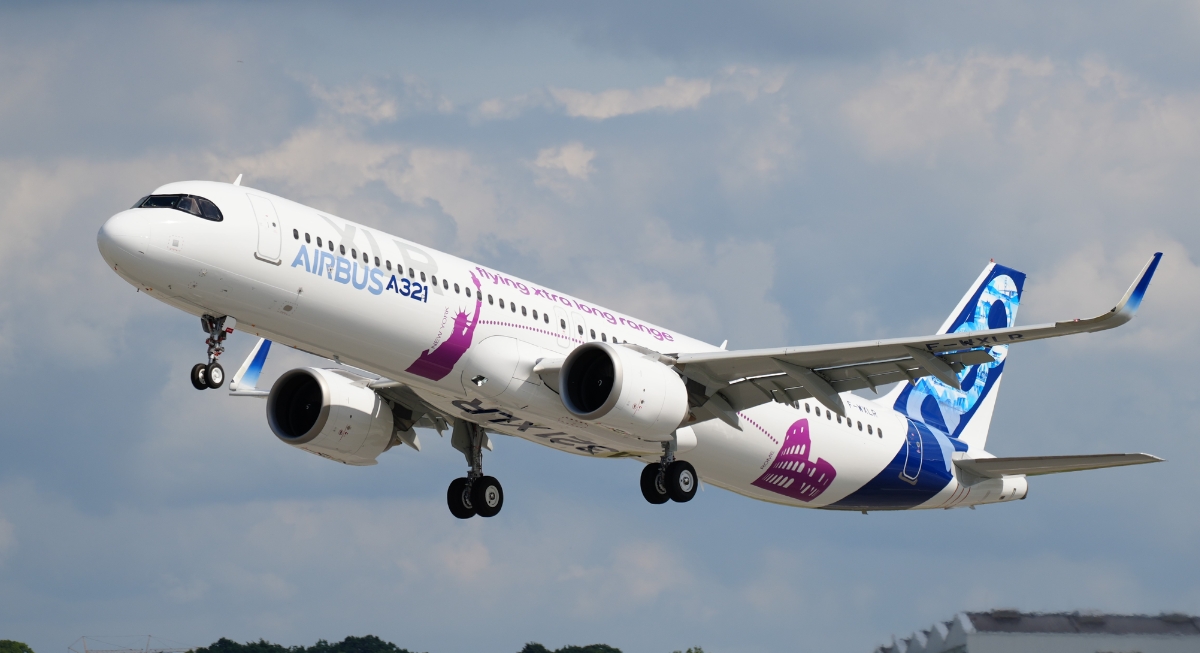
Aircraft like the Airbus A321XLR are bringing premium cabins to routes that once lacked them. These jets allow airlines to offer lie-flat seats and private suites on shorter or less traditional routes. Travelers can now experience high-end cabins without flying through major hubs.
Design That Encourages Quiet And Focus
Credit: Getty Images
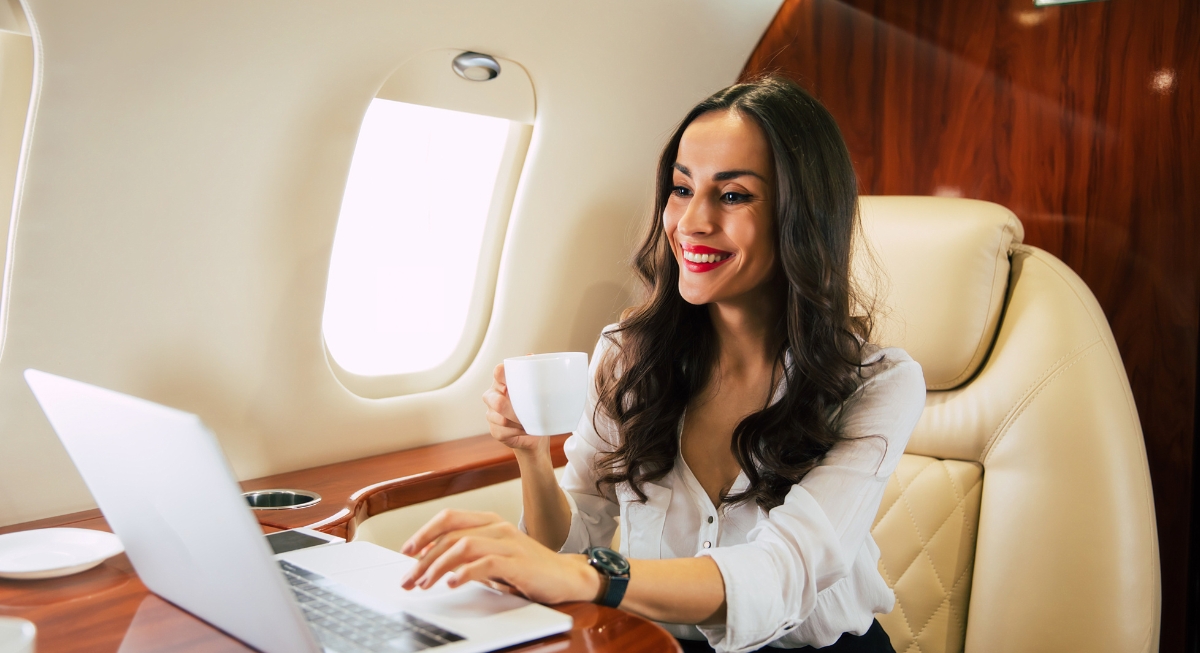
A broader design philosophy is shaping modern cabins. Airlines are focusing on reducing noise, visual clutter, and unnecessary movement. Higher suite walls and better insulation contribute to a calmer environment. The goal is simple: create a space where passengers can disconnect or concentrate without distraction.