
Boomers typically gravitate toward destinations built around comfort and routine. On the other hand, younger generations grew up with budget flights, online planning tools, and constant exposure to global culture. For this reason, flexibility, affordability, and personal discovery now matter more than tradition.
These differences explain why certain destinations continue to attract boomer travelers, while younger people consistently look elsewhere, even when the locations remain well-known and heavily marketed.
Branson, Missouri, USA

Credit: Wikimedia Commons
Branson built its reputation on country music, family-friendly theater, and long-running variety shows. It attracts boomers who feel comfortable with its wholesome entertainment tone. For many people in their 20s and 30s, the city barely registers as a vacation option. The performances reference cultural moments they didn’t grow up with, and the entertainment style feels disconnected from current trends.
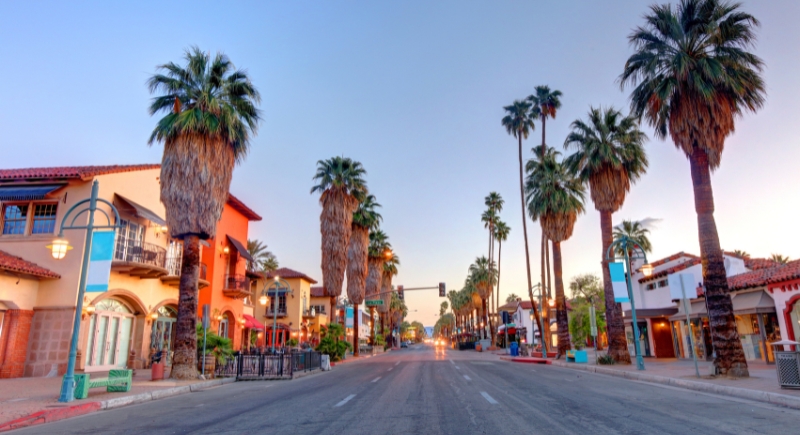
Palm Springs, California, USA
Credit: Getty Images
Younger generations mostly avoid it unless attending events like Coachella. They usually prefer places with public art and food scenes that reflect the local population. However, for boomers, its golf courses, sunny weather, and slow-paced resorts have long made the place a favorite for retirement.
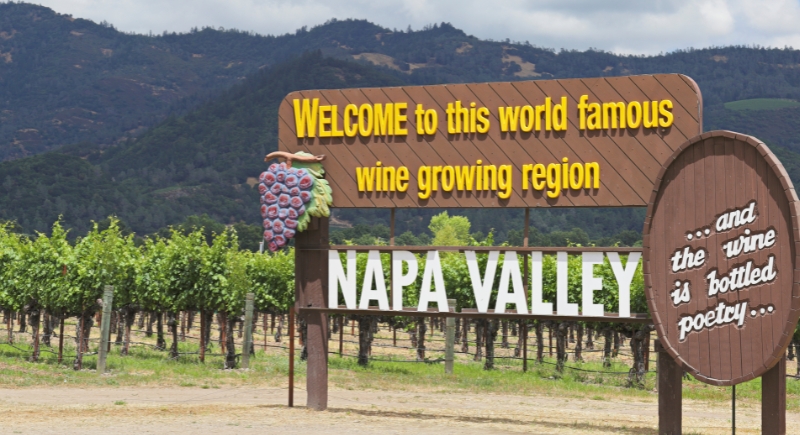
Napa Valley, California, USA
Credit: Getty Images
For those under 40, Napa Valley looks performative, with strict tasting formats, scripted wine presentations, and steep fees that don’t match the experience they expect. The emphasis on refinement and etiquette appeals to older visitors, but younger travelers prefer casual environments where wine can be enjoyed without pressure.
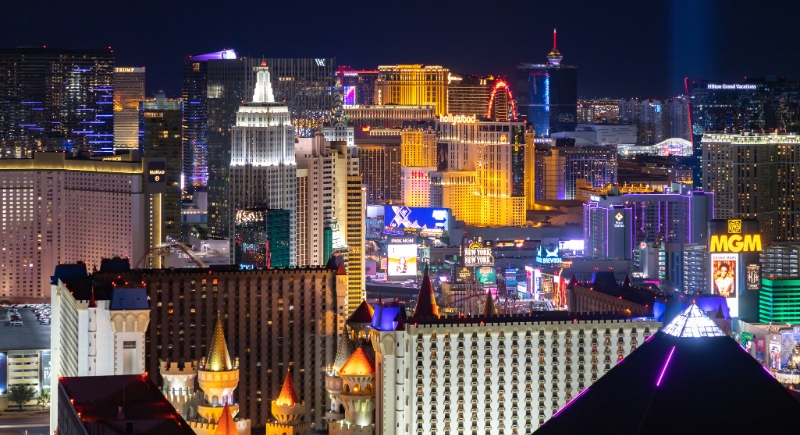
Las Vegas, Nevada, USA
Credit: Canva
Classic Las Vegas, think live shows, buffets, and casino floors, remains a top pick for older tourists. The entertainment options include legacy performers and long-running variety acts, many of which still fill theaters. Beyond the shows, adults appreciate the familiarity of hotel chains, the ease of getting around on foot, and the 24-hour access to dining and gaming.
Washington, D.C., USA

Credit: Getty Images
If you are under 40, you probably go to Washington, D.C. for its neighborhoods—places like Adams Morgan, Georgetown, or Shaw—rather than the National Mall. While boomers gravitate toward museums, monuments, and historic landmarks, younger visitors usually skip those entirely.
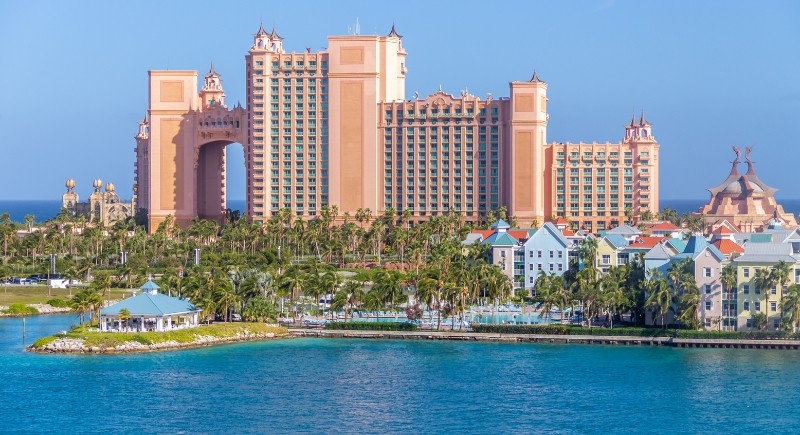
Nassau, Bahamas
Credit: pexels
Nassau remains popular with Baby Boomer travelers who value cruise-friendly ports, familiarity, and resort-style convenience. Younger generations tend to see it less favorably. Heavy reliance on cruise tourism raises concerns about ocean pollution, strained local resources, and marine damage. For many Millennials and Gen Z travelers, Nassau represents mass tourism rather than sustainability or cultural depth.
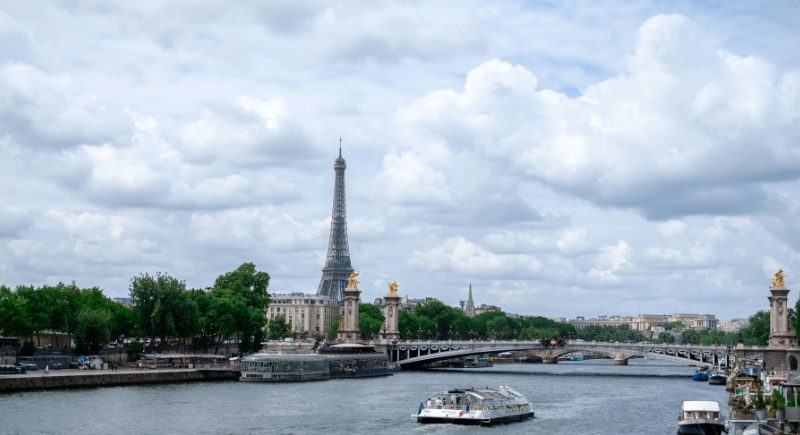
Paris, France
Credit: pexels
Influenced by films, books, and early travel marketing, adults viewed Paris as the cultural capital of Europe and home to iconic art, architecture, and a refined lifestyle. Visiting meant seeing the Mona Lisa in person, walking through centuries-old neighborhoods, and experiencing a city they’d heard about for most of their lives.
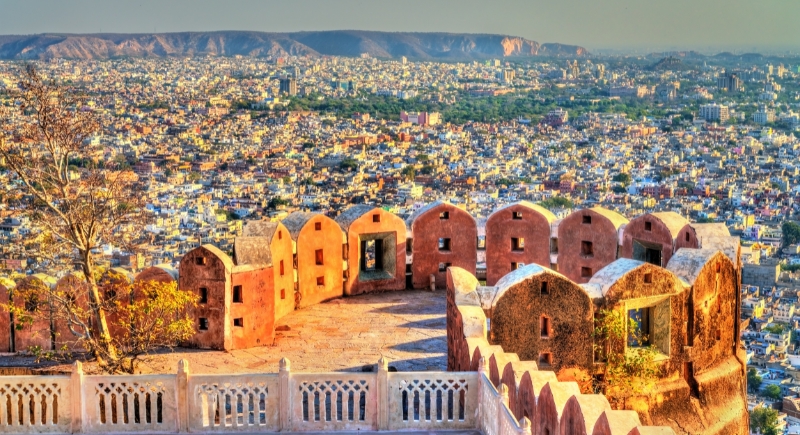
Jaipur, India
Credit: Getty Images
Grown-ups seeking cultural depth typically choose Jaipur for its palaces, textiles, and royal history. It serves as the gateway to Rajasthan, and the city’s fortresses, markets, and rooftop views attract travelers who want a curated version of India. Consequently, the polished side of Jaipur tourism, although visually rich, may seem inauthentic to those seeking smaller-scale interactions and spontaneous discoveries.
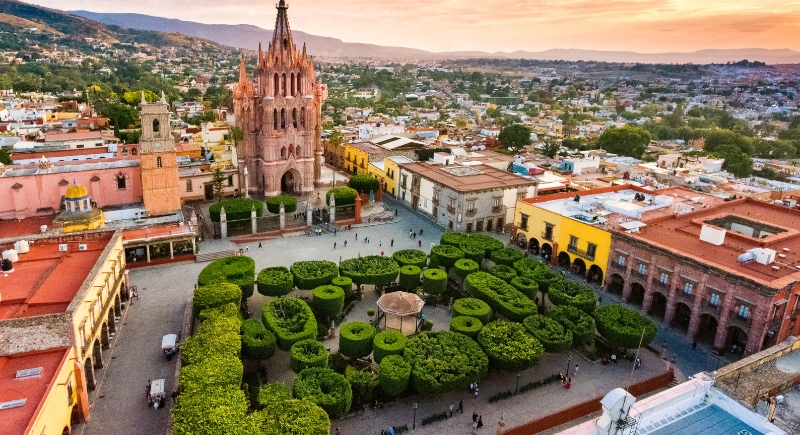
San Miguel de Allende, Mexico
Credit: Getty Images
Younger travelers who value spontaneity and discovery often pass on San Miguel de Allende. The town’s polished atmosphere, strong expat presence, and structured activities can feel over-curated. Instead, many seek places with lighter tourist footprints, fewer organized experiences, and more room to explore without schedules or built-in expectations.
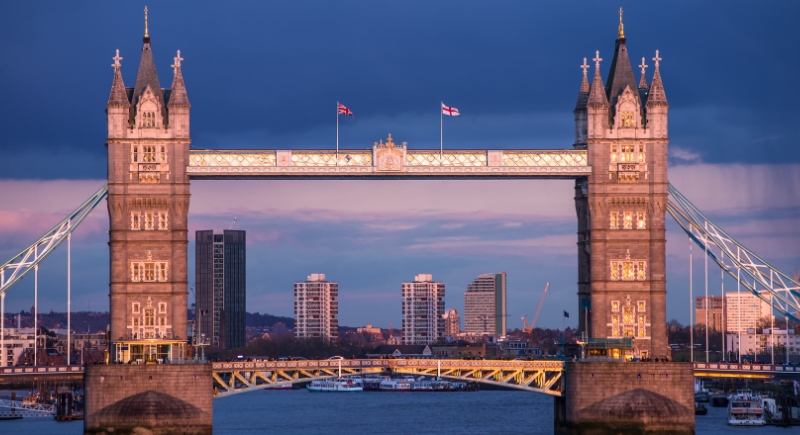
London, England
Credit: Getty Images
Embracing historical insight, various tourists over 40 gravitate toward London’s established landmarks and cultural institutions. Attractions like Buckingham Palace, Westminster Abbey, and the British Museum remain central to their itineraries. Afternoon tea and river cruises also appeal to their preference for tradition. After all, London offers a well-preserved narrative of British identity and global significance.