
For hundreds of years, Murud-Janjira Fort challenged some of the strongest powers operating along India’s western coast. Portuguese fleets attacked it, and Maratha rulers launched repeated campaigns against it. British forces later attempted to pressure the stronghold as well. Yet the fortress remained under Siddi control for generations.
Its survival had a lot to do with where it was built and its defenses. The island location complicated invasions immediately, while concealed entrances, freshwater storage, naval strength, and elevated artillery positions created problems that invading forces struggled to overcome even after reaching the walls.
The Fortress Stood In The Middle Of The Arabian Sea
Credit: Wikimedia Commons
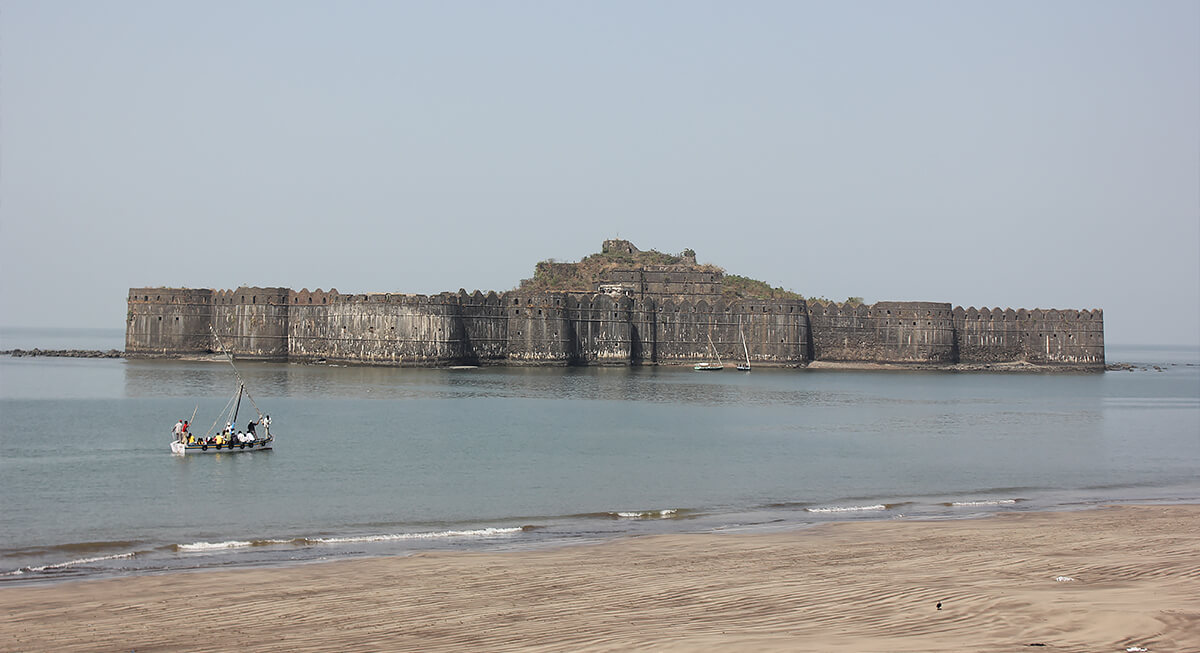
Murud-Janjira Fort was not built on open land where armies could march directly toward its gates. The fort rose on a rocky island off the coast of Maharashtra. It forced invading forces to approach entirely by water and survive rough sea conditions before reaching the walls. Enemy ships entered open firing range during the approach. The narrow landing conditions also limited the number of soldiers who could attack at once. Large invasion forces lost part of their numerical advantage because mass assaults became difficult near the rocky shoreline.
The Main Entrance Was Difficult To Identify From The Sea
Credit: Wikimedia Commons
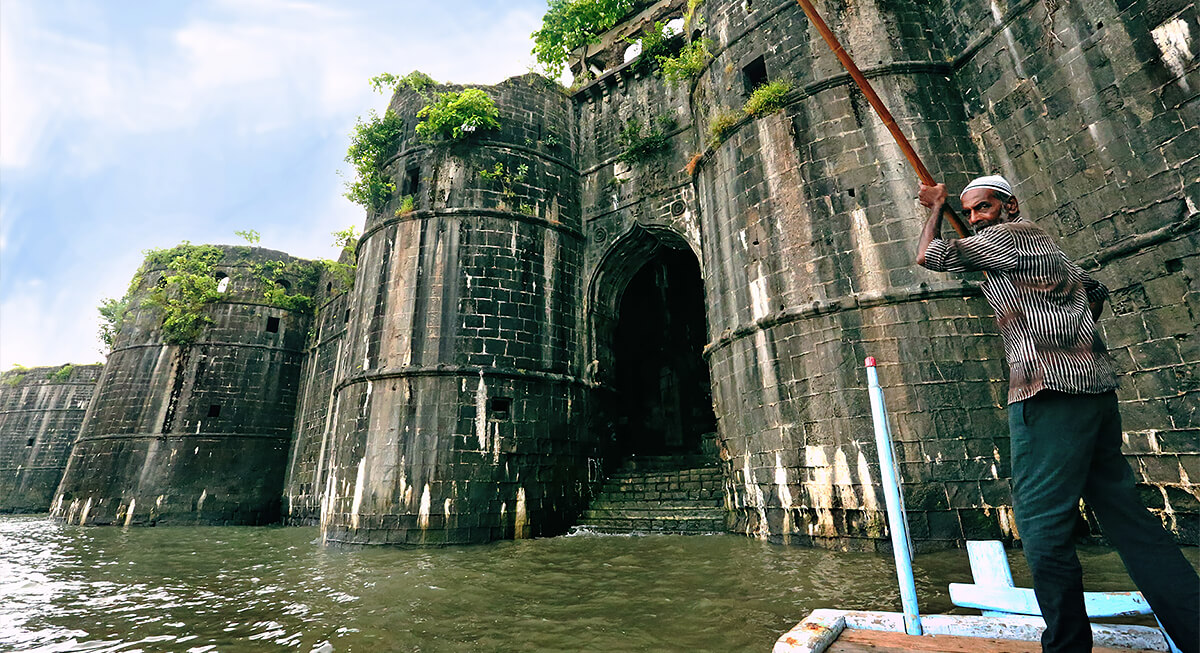
One of Janjira’s most effective defensive features was its concealed main gate. The entrance blended into the surrounding stone walls, which made it difficult to identify from open water. Approaching ships saw a continuous stretch of heavy fortification and no clearly visible entry point. After already struggling to maneuver near the rocky shoreline, confusion at the entrance created dangerous delays in defenders' preparations to fire artillery and mount defensive fire.
Massive Stone Walls Rose Straight Out Of The Water
Credit: Wikimedia Commons
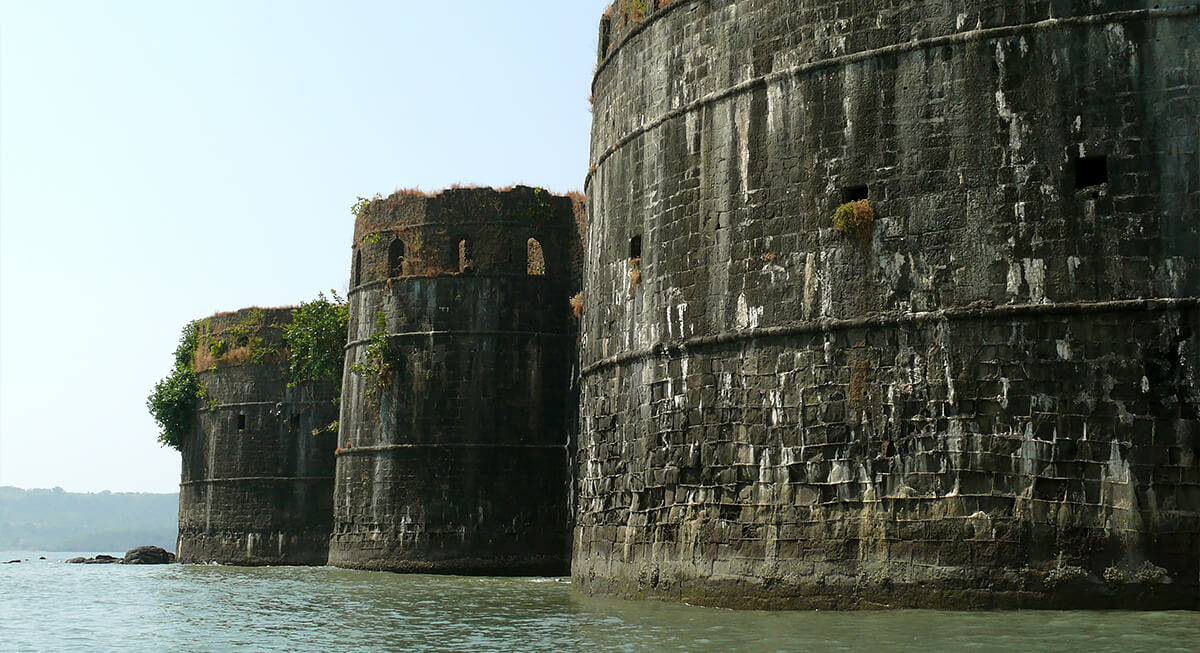
Many forts relied on moats or elevated terrain for protection, but Janjira’s walls rose almost directly from the Arabian Sea itself. Attackers could not easily place ladders against dry ground or dig underneath the foundations. The fort stood on solid rock with thick stone ramparts extending high above sea level. Cannons mounted above the shoreline gained strong firing angles against incoming vessels.
The Siddis Maintained Strong Naval Control
Credit: Wikimedia Commons
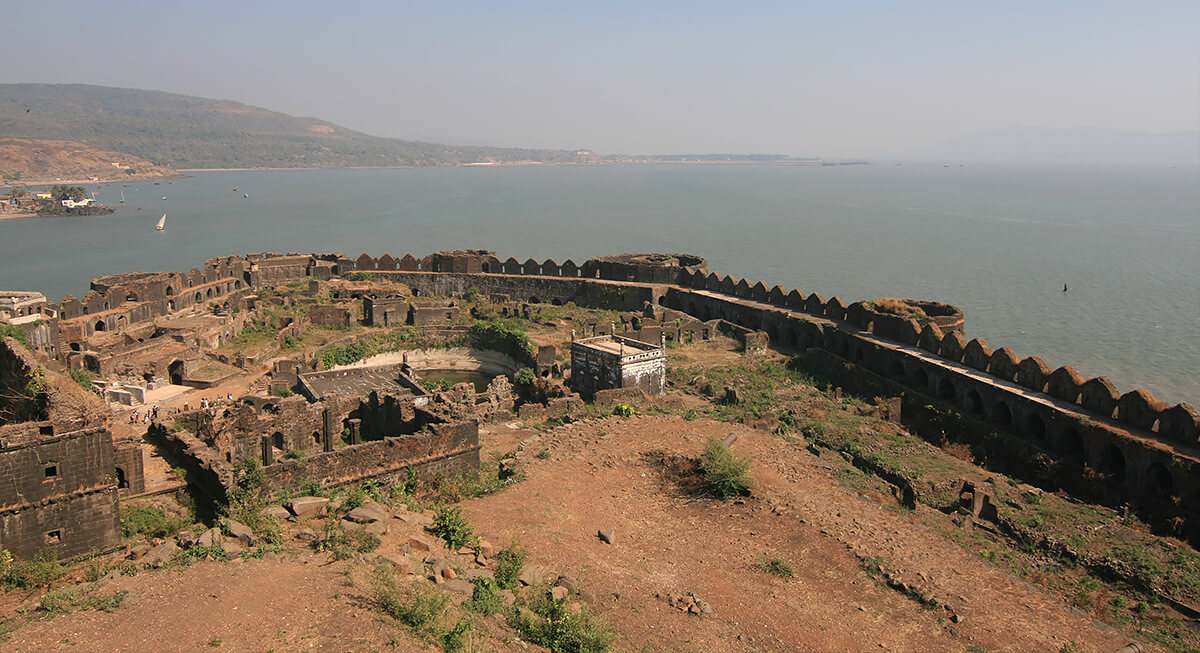
The rulers of Janjira, known as the Siddis, built a capable naval force that protected the fortress far beyond its walls. Their ships patrolled nearby waters, protected supply movement, and challenged rival fleets operating along the western Indian coastline. Siddi commanders understood the coastal currents, seasonal winds, and local waters better than many of the region's competing powers. The fort remained connected to reinforcements and supplies while attacking forces dealt with unfamiliar sea conditions.
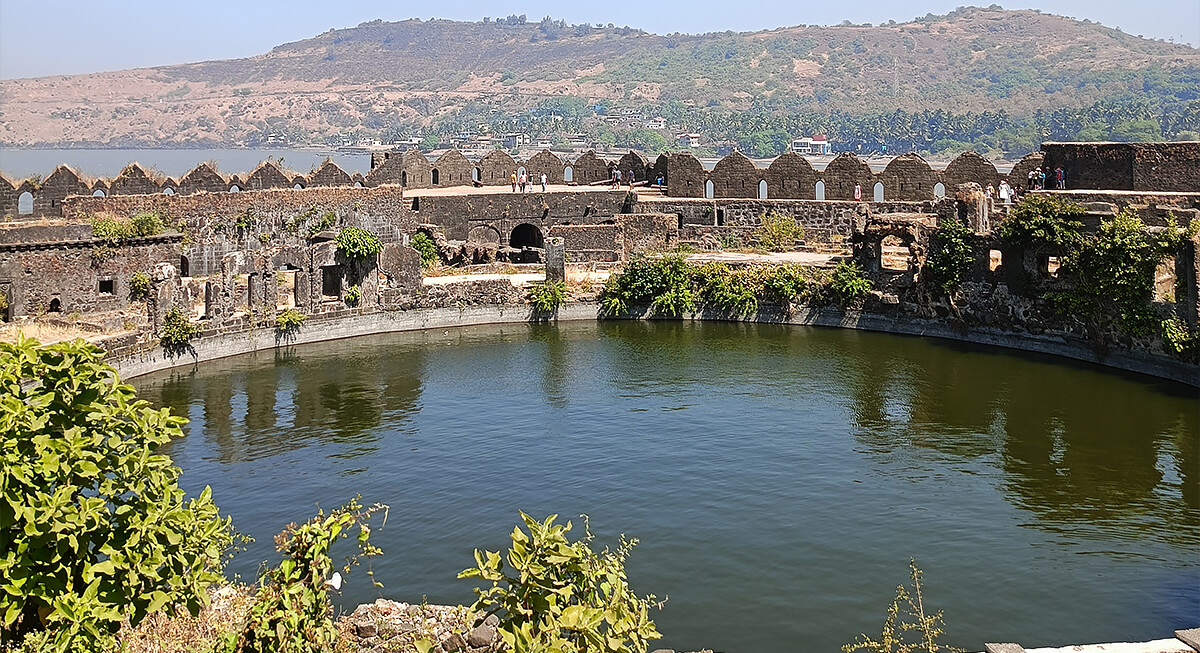
Freshwater Reservoirs Kept The Fort Operational During Sieges
Credit: Wikimedia Commons
Island fortresses usually become vulnerable once drinking water runs low. Janjira reduced that weakness by building freshwater ponds and reservoirs within the fort itself. Despite being situated in the middle of saltwater, the stronghold maintained a reliable internal water supply during long military standoffs. Blockades became far less effective. The reservoirs also supported soldiers, workers, and residents living inside the fort year-round.
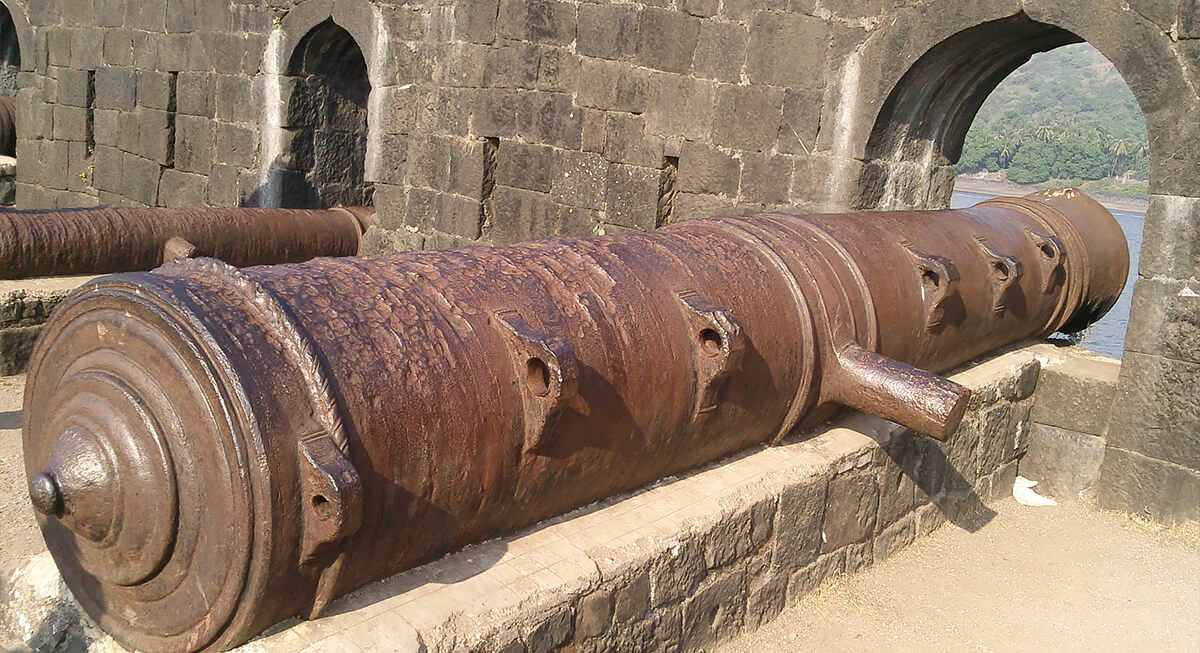
Heavy Cannons Protected The Sea Approaches
Credit: Wikimedia Commons
Janjira’s defenses included massive cannons positioned across the ramparts facing multiple directions over the Arabian Sea. These weapons guarded the main approaches to the island. Some artillery pieces became famous historical weapons in their own right, including the Kalal Bangadi and Chavri cannons. Enemy ships were subjected to bombardment before reaching effective attack positions near the walls. Wooden vessels carrying gunpowder and troops remained highly vulnerable to cannon fire, especially in crowded assault formations. Elevated artillery positions above the shoreline also improved defensive visibility and gave fort defenders a strong advantage during naval attacks.
Rival Powers Rarely Shared The Same Long-Term Priorities
Credit: Wikimedia Commons
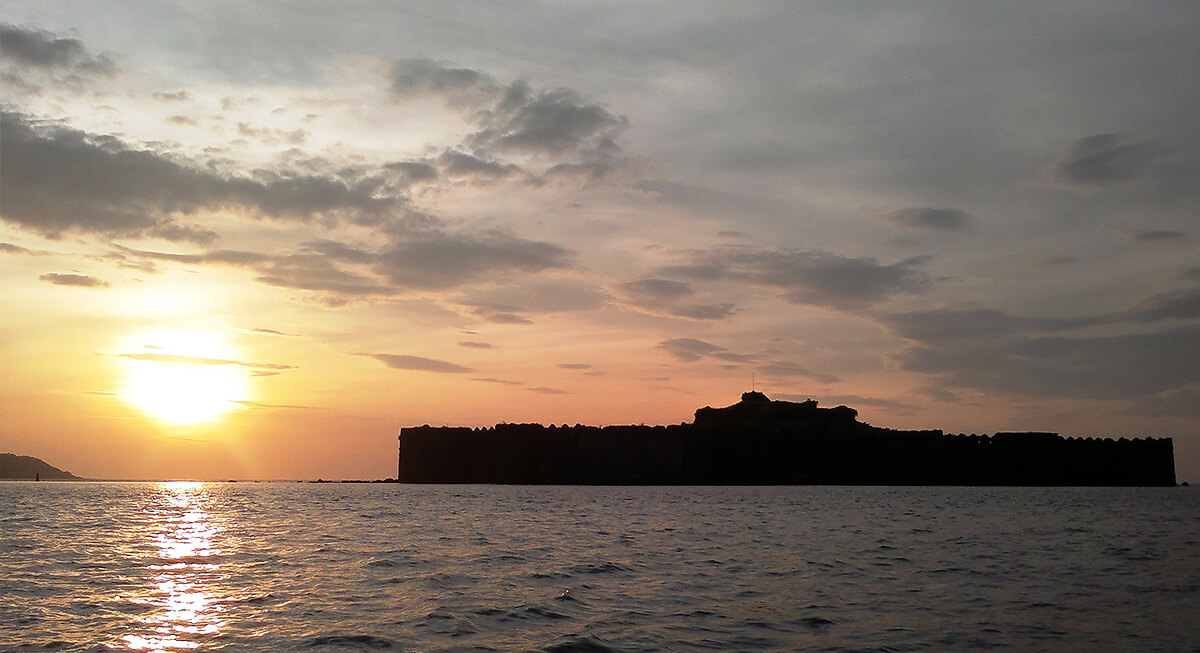
Several major powers attempted to challenge Janjira over the centuries in pursuit of their political and military goals. Among them were the Marathas, Portuguese, British, and regional kingdoms operating along the western coast. Competing rulers frequently focused on fighting each other rather than maintaining sustained campaigns against the fortress. At times, the Siddis also formed strategic alliances that strengthened their position.
The Fort Occupied A Valuable Maritime Position
Credit: Wikimedia Commons
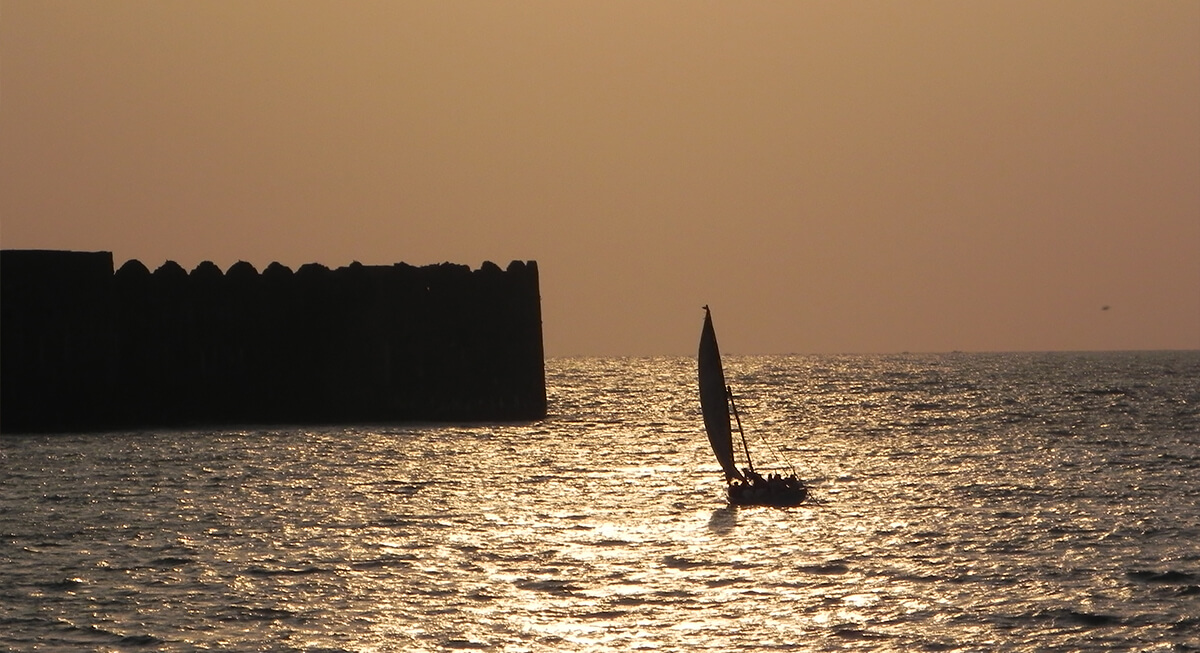
Janjira stood near important Arabian Sea trade routes connecting major ports along the western coast of India. Merchant vessels carrying goods and other luxury cargo passed through nearby waters for centuries. Control of the fort carried commercial and naval importance, and gave the Siddis influence in regional power struggles. The location also enhanced Janjira’s military value by supporting the movement of supplies and naval activity along nearby shipping routes. Diplomatic arrangements sometimes proved more practical than expensive assaults against the heavily fortified island.
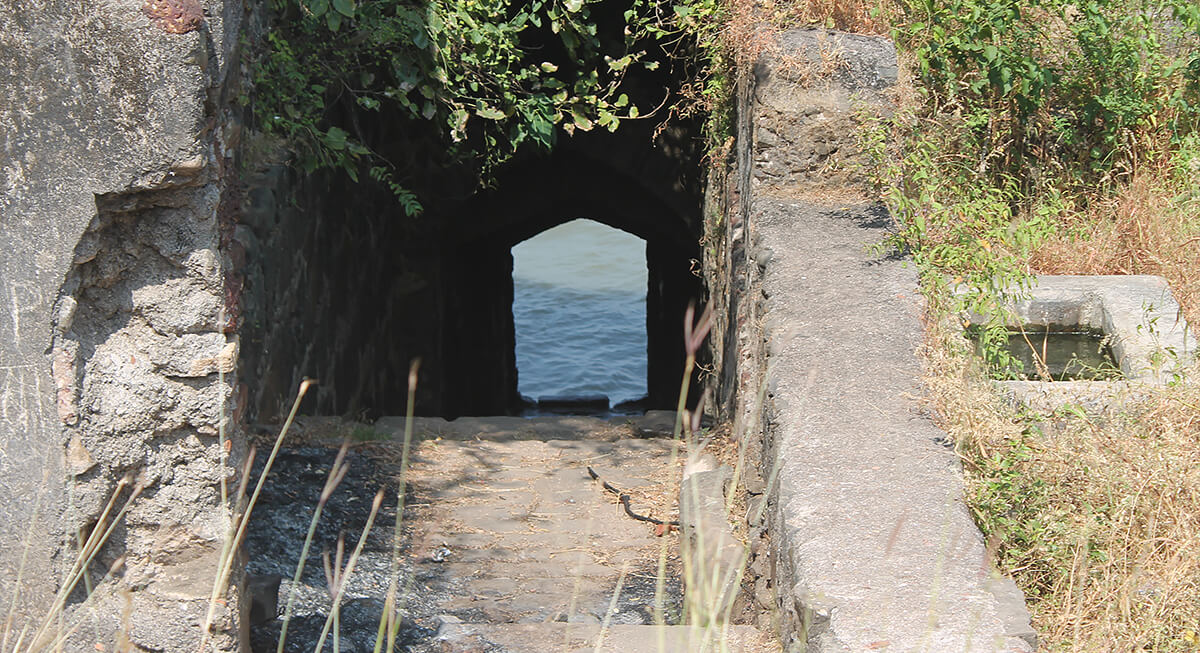
Secondary Access Points Reduced Isolation Risks
Credit: Wikimedia Commons
Historical accounts describe smaller entrances and secondary access routes connected to Janjira’s defenses. These openings provided additional movement options during sieges and reduced the risk of complete isolation within the fort. Reinforcements, communication, and supplies could sometimes still move through less visible routes during periods of military pressure. It forced attackers to divide attention across multiple areas.
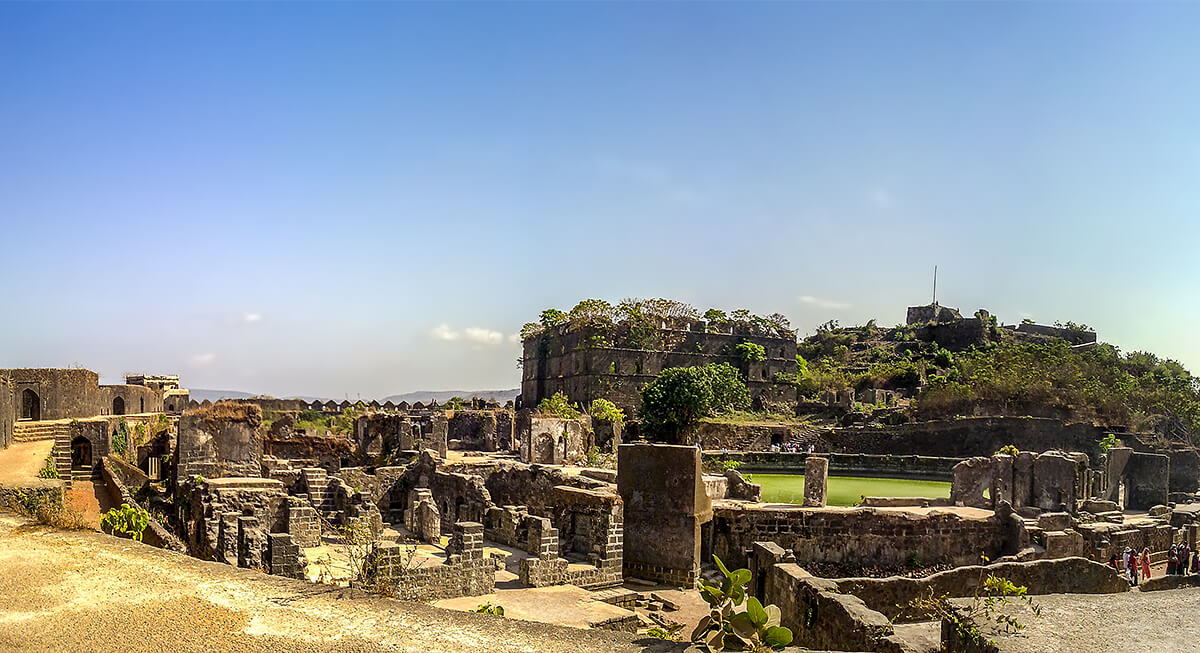
The Fortress Was Built To Endure Harsh Coastal Conditions
Credit: Wikimedia Commons
Janjira resisted more than invading armies. The fortress also survived centuries of salt exposure, monsoon rains, strong tides, and harsh Arabian Sea weather that damaged many coastal structures across the region. Builders used thick stone construction and durable materials capable of handling constant environmental pressure.