
Getting to JFK from Manhattan can easily turn into a stressful race against traffic. Once highways back up, the trip that looked manageable on the map can suddenly stretch into a long, unpredictable commute. That’s why so much attention is now going toward electric air taxis. Joby Aviation is testing a service that could fly passengers between Manhattan heliports and JFK in far less time than a typical car ride. The service is still awaiting broader approval, but if it launches commercially, it could give travelers a faster airport option, especially those willing to pay higher fares. Here’s what that could look like.
Faster Airport Trips
Credit: Instagram
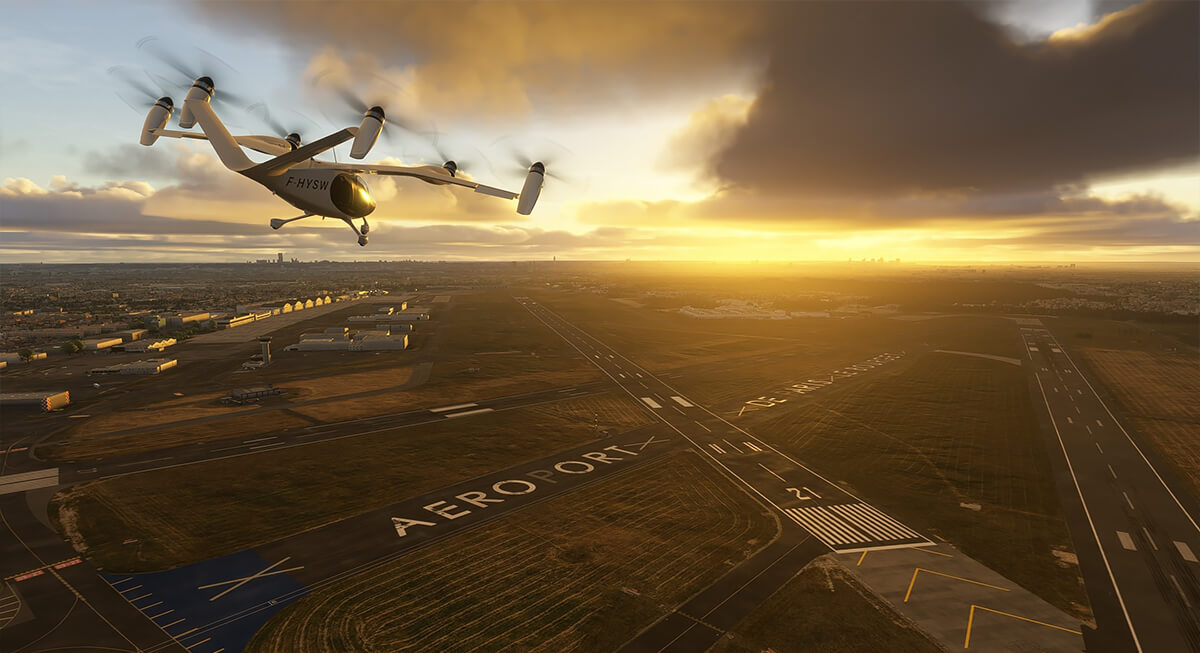
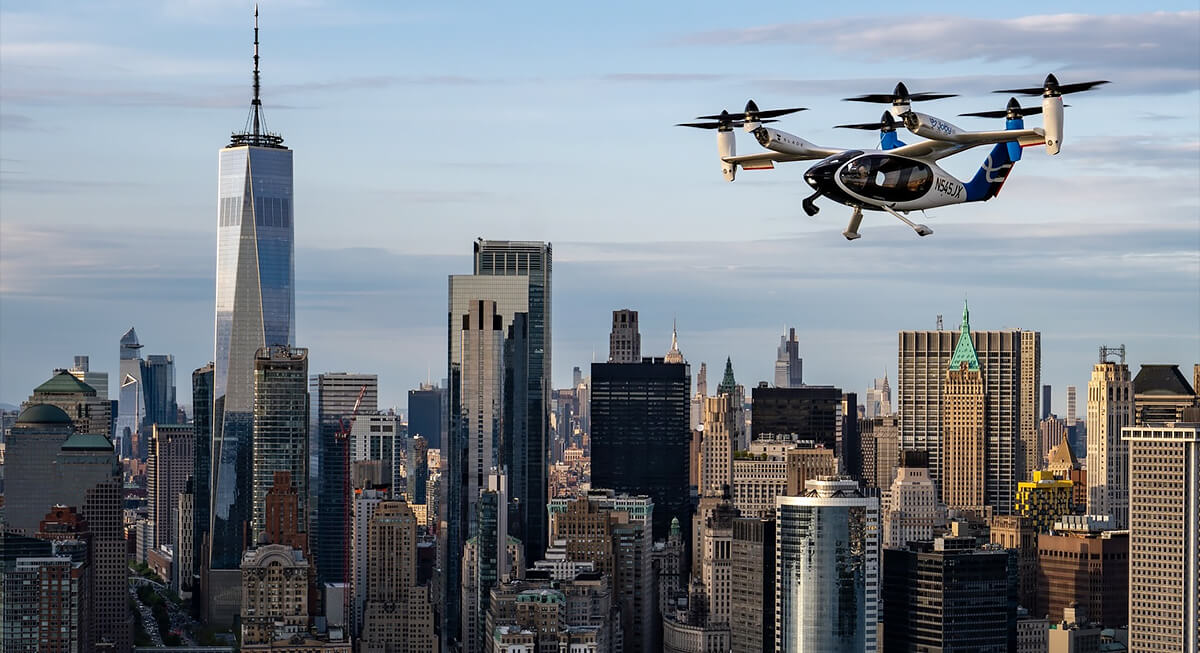
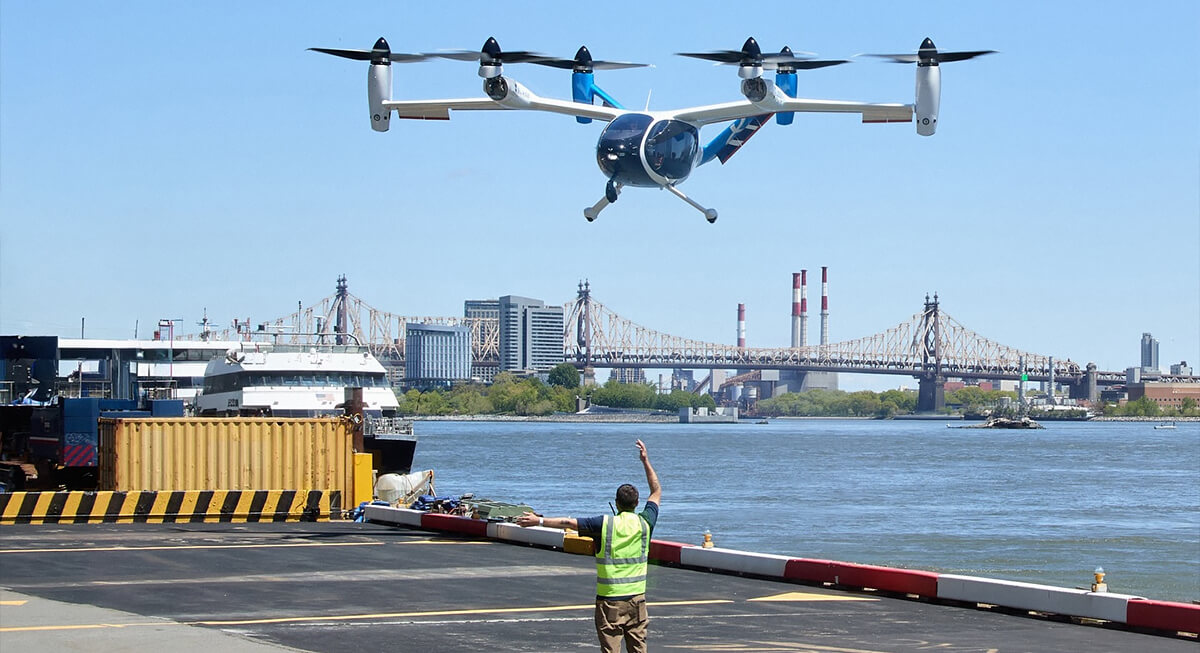
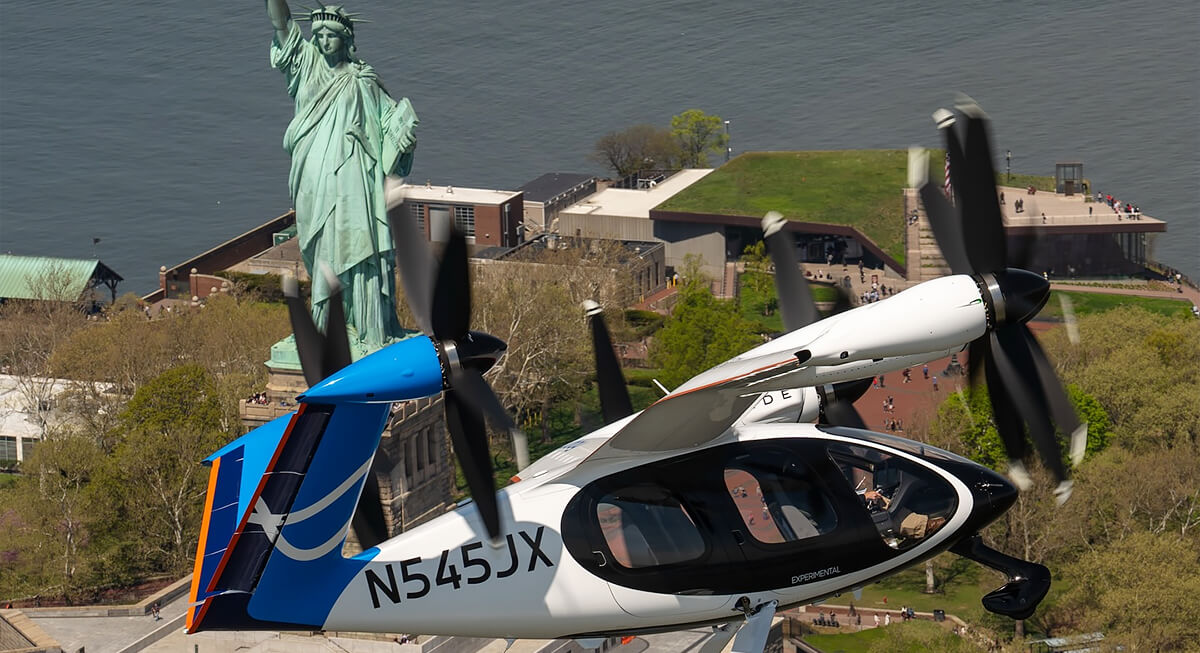
The Manhattan-to-JFK trip looks short on maps compared to how it feels in a car. Joby hosted a demonstration where the electric air taxi completed the route in about 15 minutes. According to reports, future flights might take less than 10 minutes. Travelers would still need time to reach the heliport, but the traffic-heavy leg could become far less unpredictable for riders using the service.
Cleaner Short Flights
Credit: Instagram
A short paid flight across the city means taking conventional fuel-burning helicopters. Joby's aircraft changes that tradeoff by operating on electricity and producing zero operating emissions. While battery production and power sources still impact the planet, this technology offers a much cleaner alternative.
Lower Flight Noise
Credit: Instagram
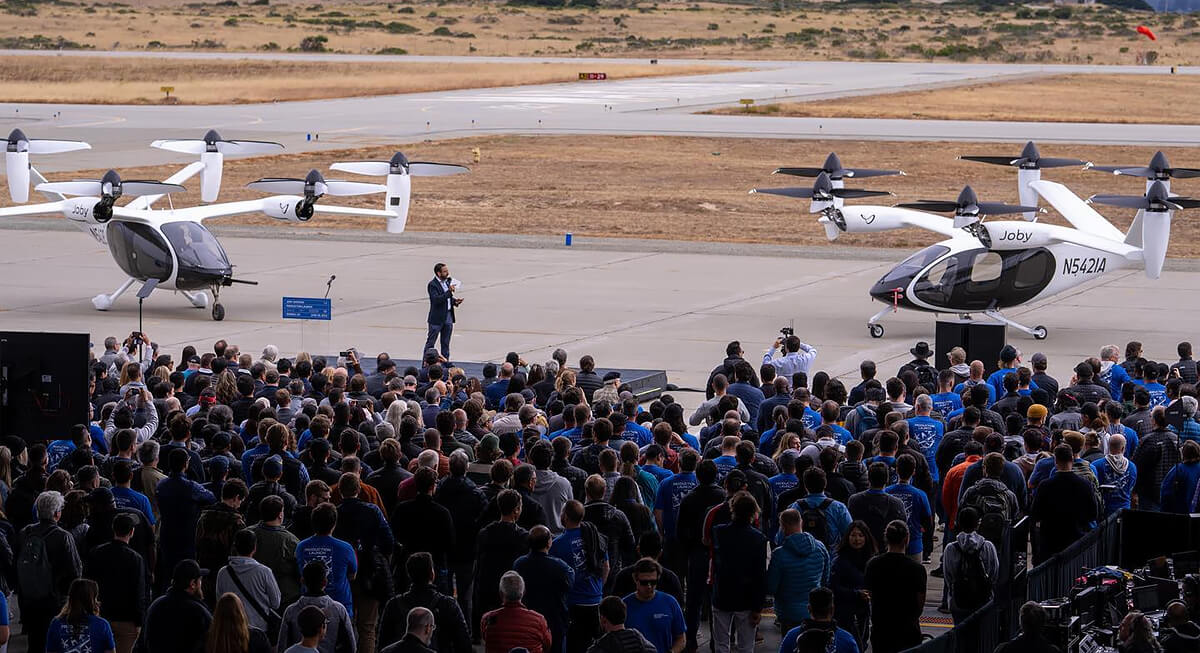
Ask anyone who lives near a helicopter route how peaceful the flights sound, and the answer will disappoint you. Joby claims its eVTOL aircraft operates with far less noise than a standard chopper. This detail is important in New York, where noise complaints are a constant issue. Urban areas might embrace fast travel more readily if it comes with quiet technology.
Existing Heliports
Credit: Instagram
The transition to air taxis feels grounded because some of the infrastructure already exists, though electrification and upgrades are still needed. Manhattan has heliports, and JFK handles heavy air traffic every day. Joby utilized these established spots instead of demanding new runways. Their strategy offers electric flight a head start in this famously crowded city.
The Aircraft Design
Credit: Instagram
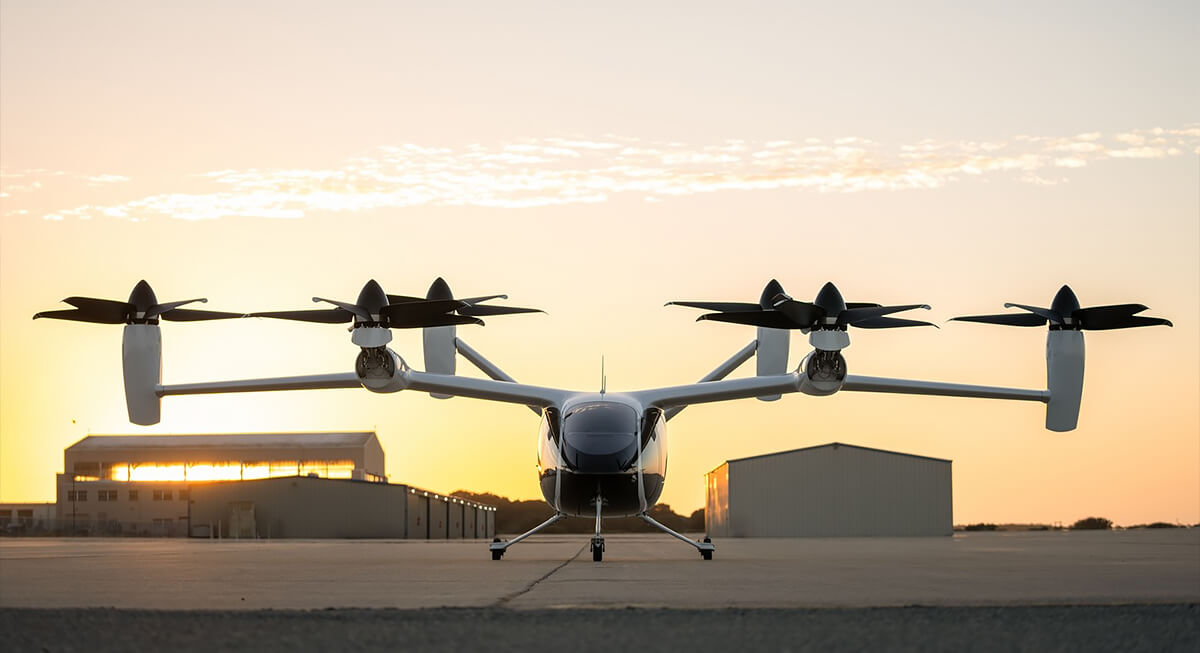
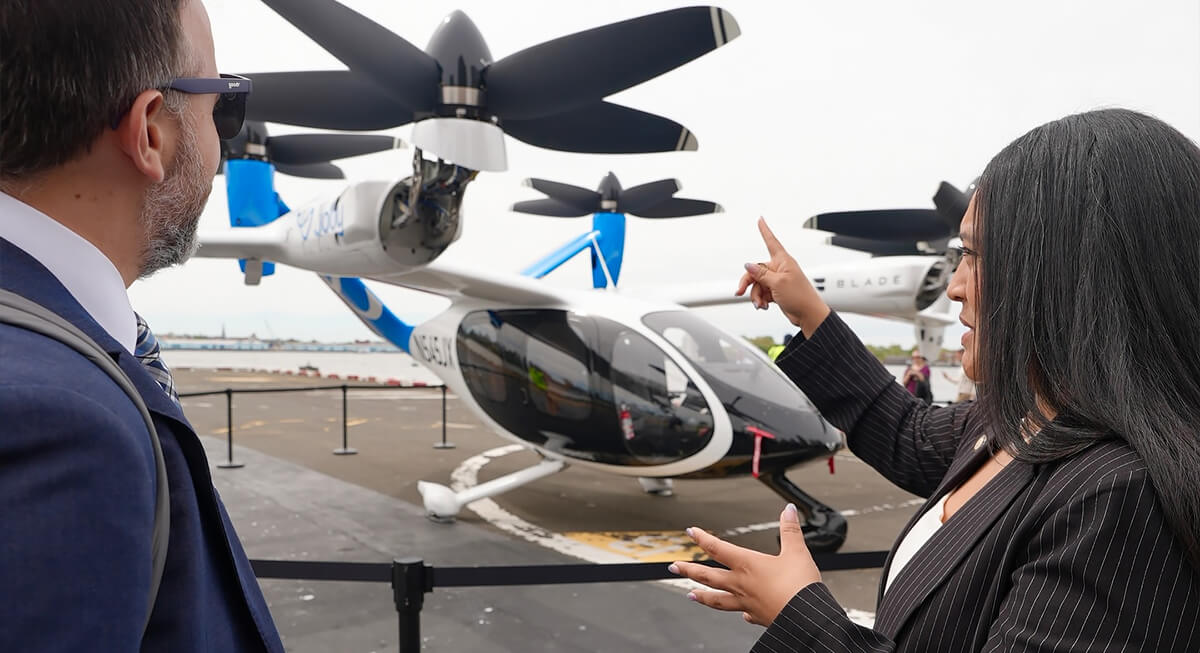
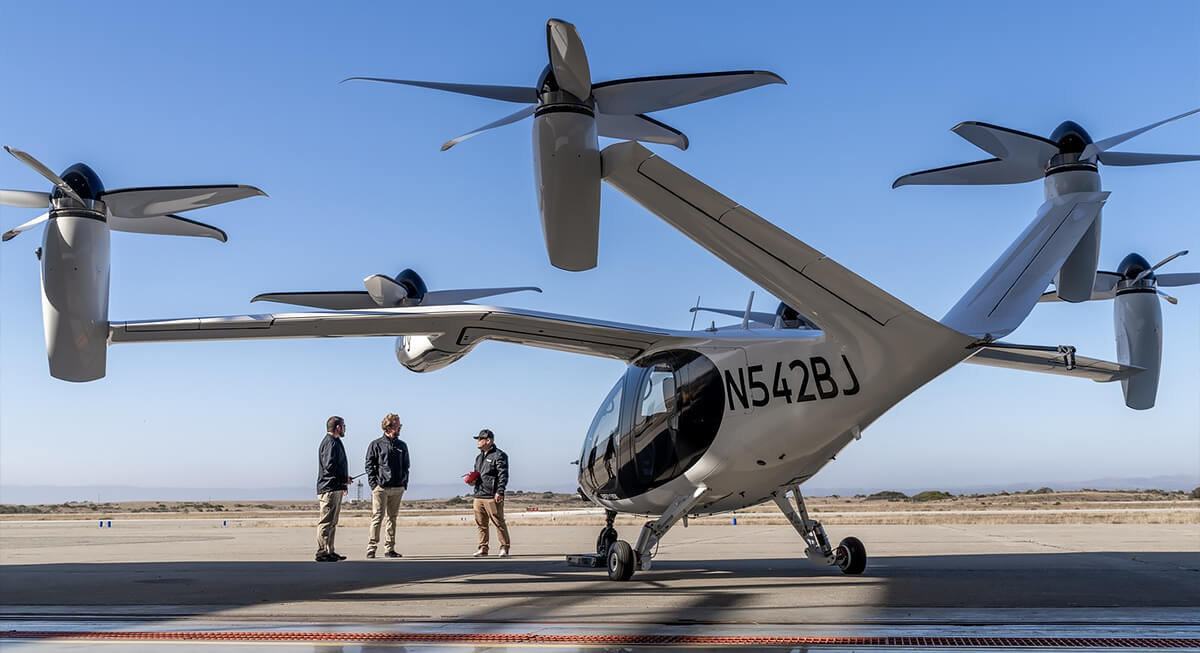
Joby's aircraft lifts vertically before transitioning into forward flight. This ability comes from electric vertical takeoff and landing (eVTOL) technology. Such a design allows aircraft to use heliport-style sites in dense cities where conventional runways are impractical. The interior holds a pilot and four riders, so the experience is more like a high-end rideshare.
Easier Connections
Credit: Instagram
Collaborations between Joby, Delta Air Lines, and Uber offer a more unified future. Eventually, travelers might book one seamless journey to the gate. This could reduce some of the usual step-by-step planning with a single, elegant solution.
Early Pricing
Credit: Instagram
Budget travelers will likely stick to the subway for now. Early estimates suggest a flight from Manhattan to JFK might cost between $150 and $200. This price point mirrors premium car services. The future popularity of this service may depend on whether fares drop.
Safety And Rules
Credit: Instagram
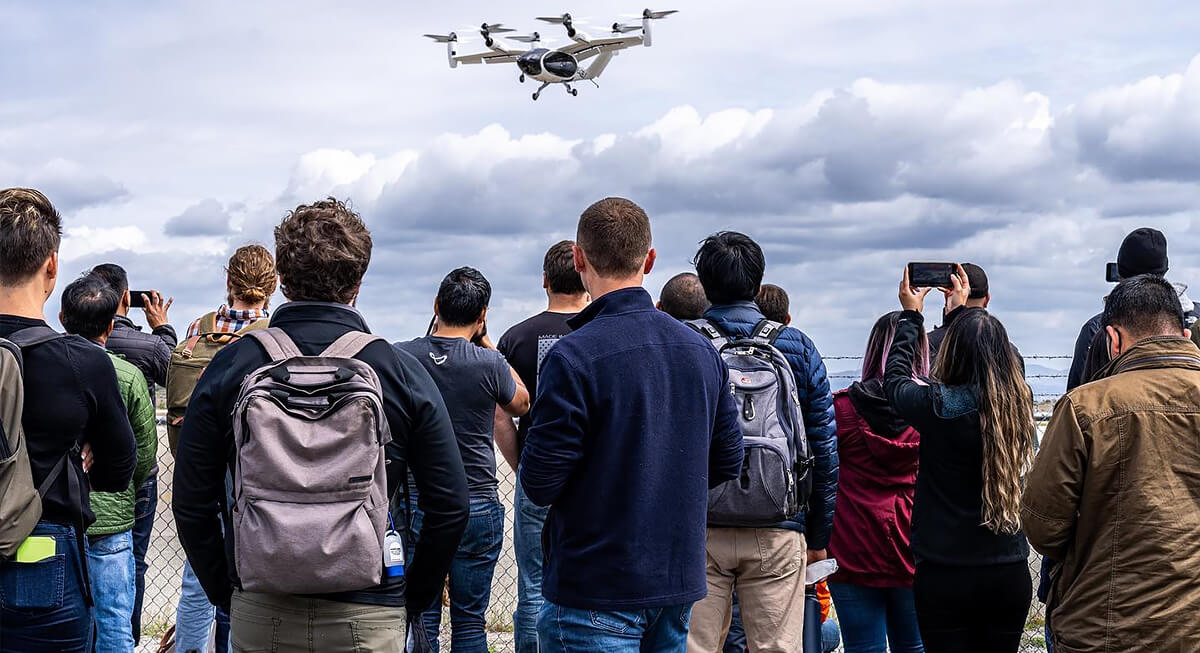
Even stylish aircraft must have the proper paperwork, especially when flying over New York. Air taxis require certifications, set routes, expert pilots, and strict maintenance schedules, along with airspace coordination. Real demonstration flights allow officials to examine actual service models. Testing in a demanding environment like New York should provide a vital blueprint for other cities.
A Bigger City Map
Credit: Instagram
Manhattan to JFK is the obvious showcase because the route highlights a major problem. Beyond airport runs, electric air taxis could transform transit in crowded cities where traffic stalls daily life. Launching these services requires funding, careful planning, and the public's trust. For now, the demonstration flights serve a clear purpose of showing how urban air travel can work as a practical choice.