
Air pollution makes it difficult for people to spend time outdoors comfortably, as they have to deal with smoke, dust, and, at times, heavy haze.
Unfortunately, in many major cities, poor air quality has become part of daily life throughout schools, workplaces, transportation systems, and residential neighborhoods. The latest IQAir World Air Quality Report and live rankings continue to highlight urban areas now facing severe environmental pressure due to traffic congestion, industrial activity, weak infrastructure, and seasonal weather patterns.
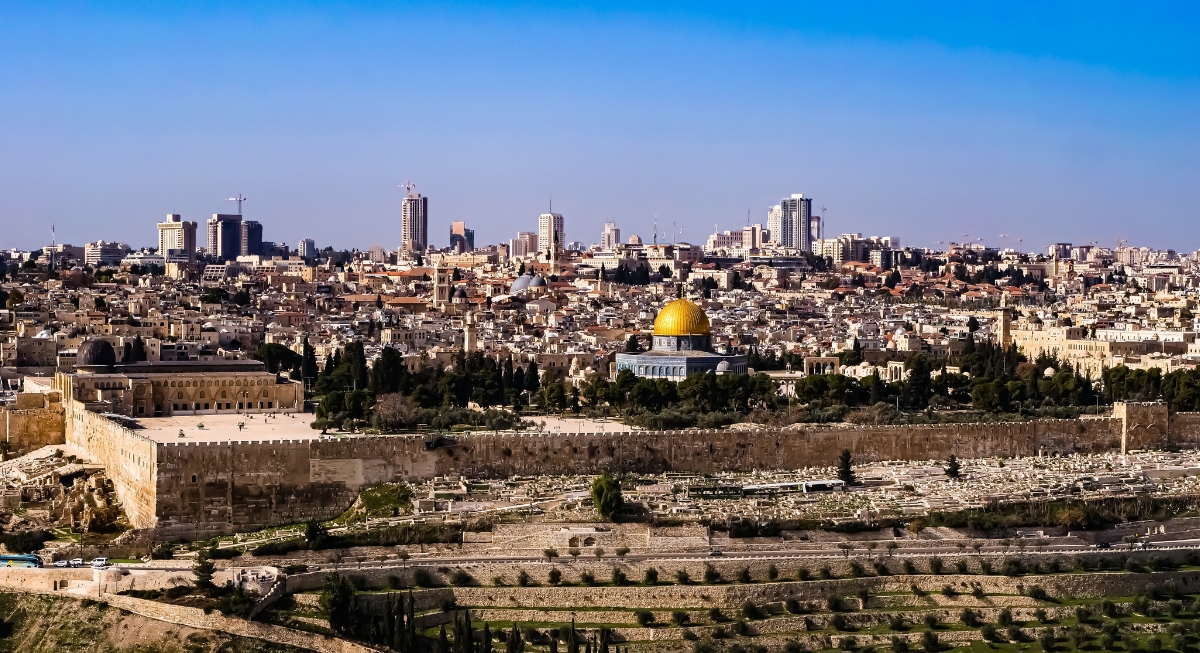
Jerusalem, Israel
Credit: pixabay
Daily traffic remains one of the top reasons behind poor air quality within Jerusalem. Long lines of commuters have no choice but to move through narrow roads that collect dust during dry periods across the region. That is why residents living near major traffic corridors typically notice breathing discomfort after spending time outdoors during crowded weekday hours.
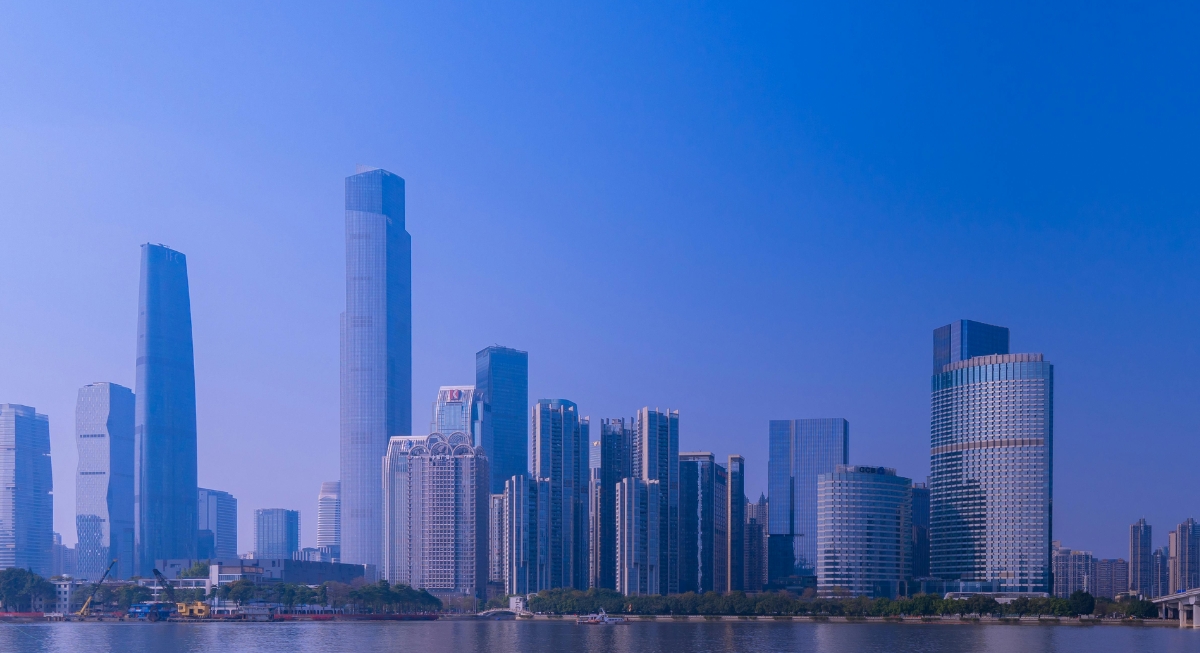
Guangzhou, China
Credit: pexels
Guangzhou built its reputation through manufacturing, shipping, and large commercial industries that helped transform the city into one of China’s biggest economic centers. That industrial growth also put long-term environmental pressure on crowded districts packed with factories and transport routes. Humid weather also makes things worse by keeping polluted air closer to street level, even on the pleasant days.
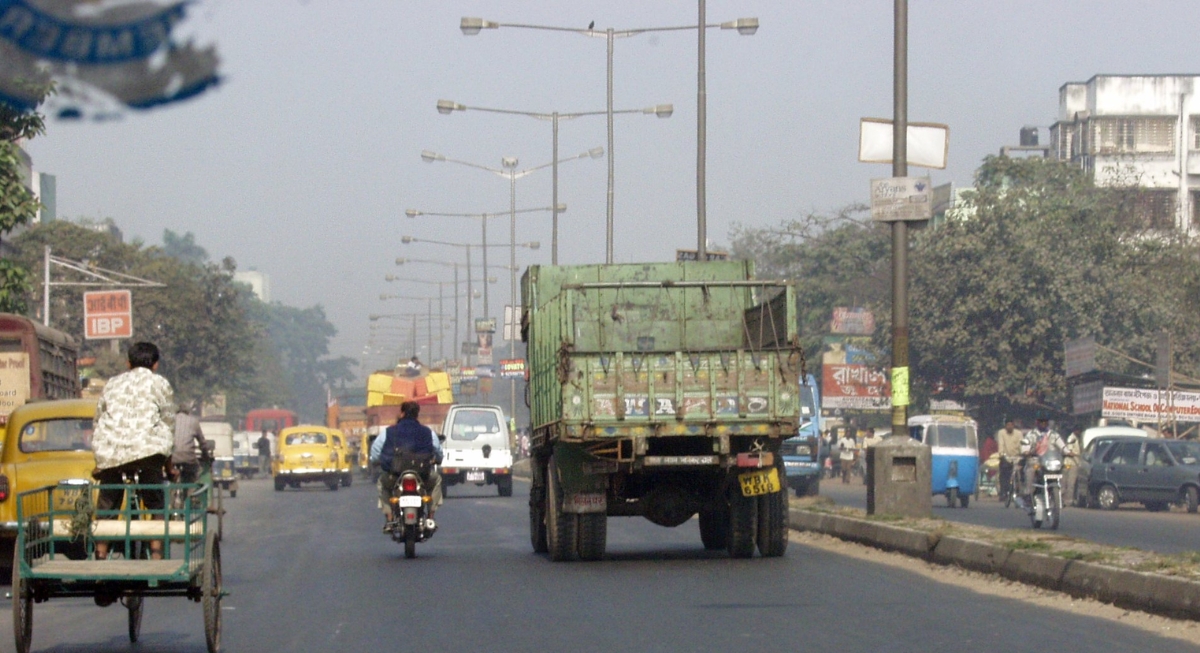
Kolkata, India
Credit: Wikimedia Commons
Environmental experts continue recommending stricter vehicle inspections and better road maintenance in Kolkata because traffic emissions and road dust are the major perpetrators that are harming the air quality. And if that was not enough, winter conditions usually worsen pollution since cooler air keeps exhaust and dust trapped near the streets for longer periods.
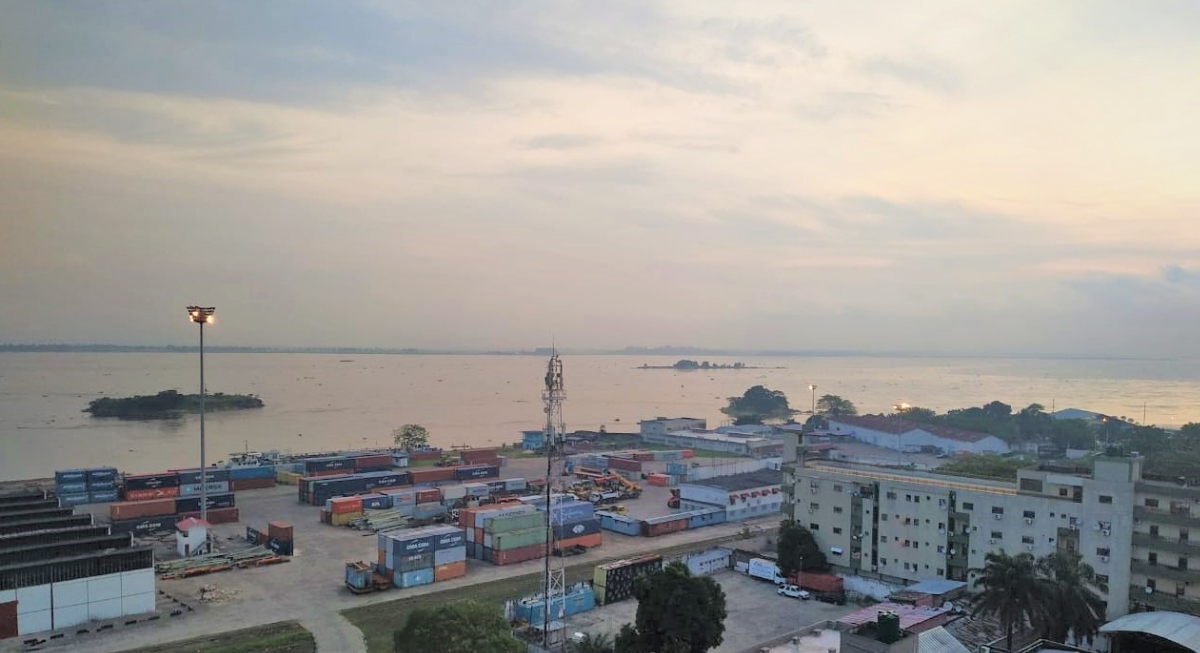
Kinshasa, Democratic Republic of the Congo
Credit: Wikimedia Commons
Surprisingly, many neighborhoods across Kinshasa still depend on open waste burning as organized disposal systems remain limited throughout expanding districts. Rapid population growth has further led to the overuse of sanitation networks and public infrastructure in recent years. For this reason, urban planners have called for stronger infrastructure investment.
Jakarta, Indonesia
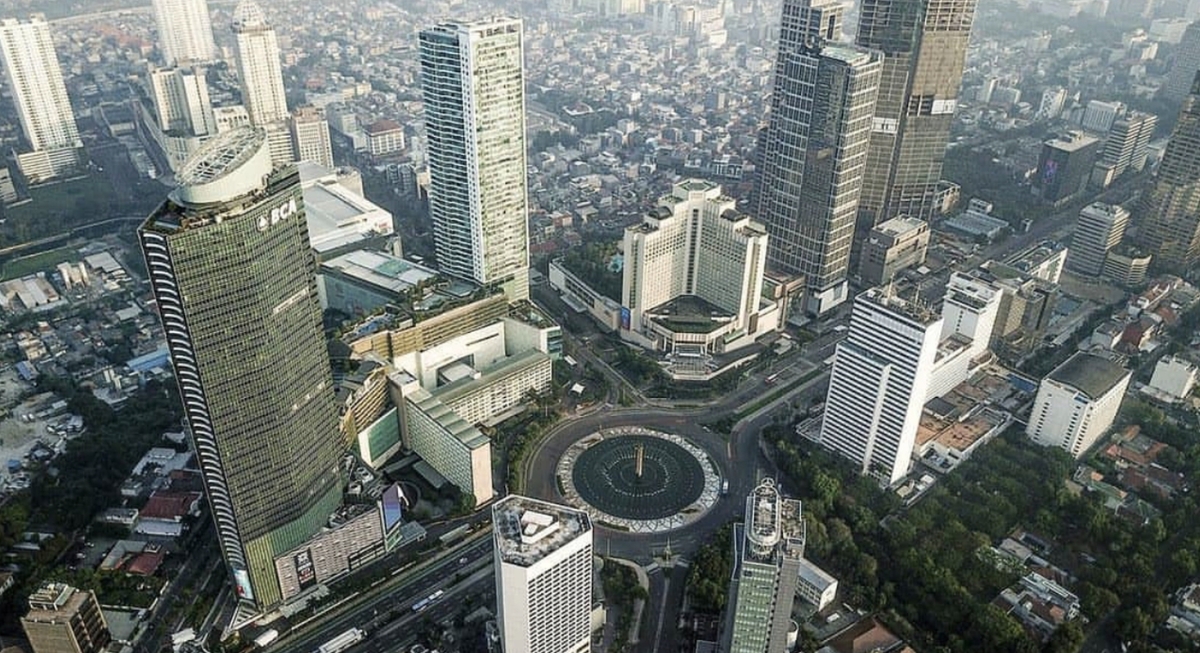
Credit: Wikimedia Commons
When you picture Jakarta, you probably think of crowded streets, busy markets, and towering buildings. But what many people may not realize is that the city also struggles with serious air pollution tied to traffic congestion and industrial activity. Commuters are mostly seen spending hours surrounded by emissions from buses, motorcycles, trucks, and private cars.
Hanoi, Vietnam
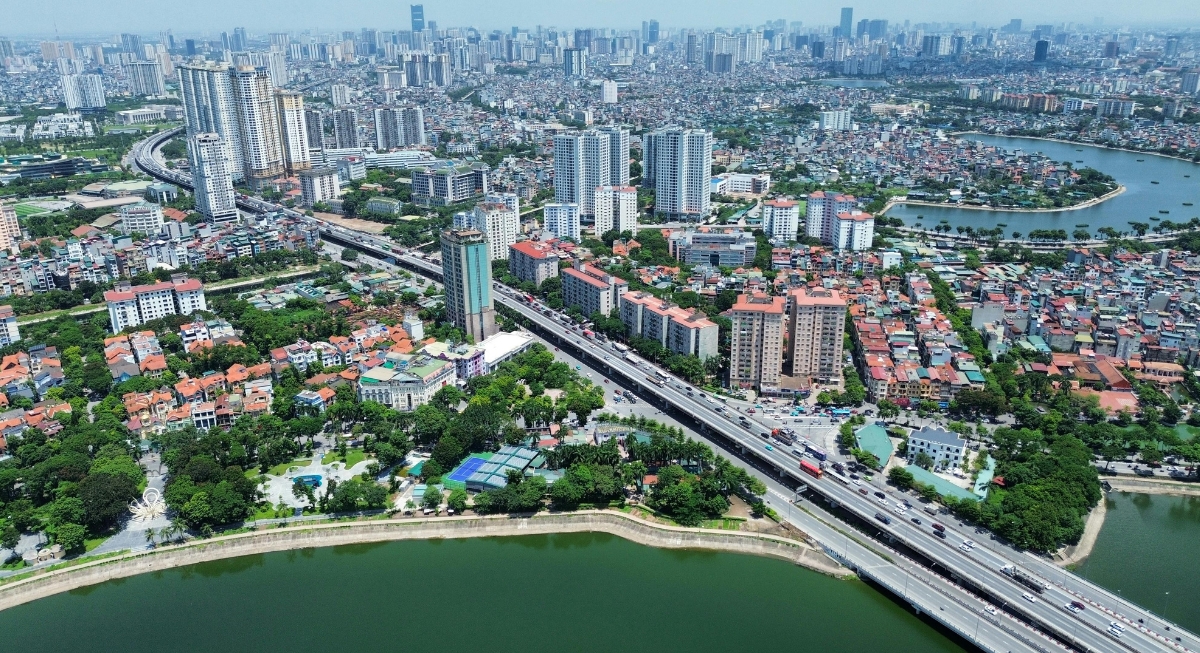
Credit: pexels
If you visit Hanoi, you will notice many locals wearing face masks in public since polluted air remains difficult to avoid across busy commercial districts. As of now, authorities are discussing stronger environmental regulations and emissions controls, driven by worsening air conditions, which could place additional strain on hospitals and emergency healthcare services.
Delhi, India
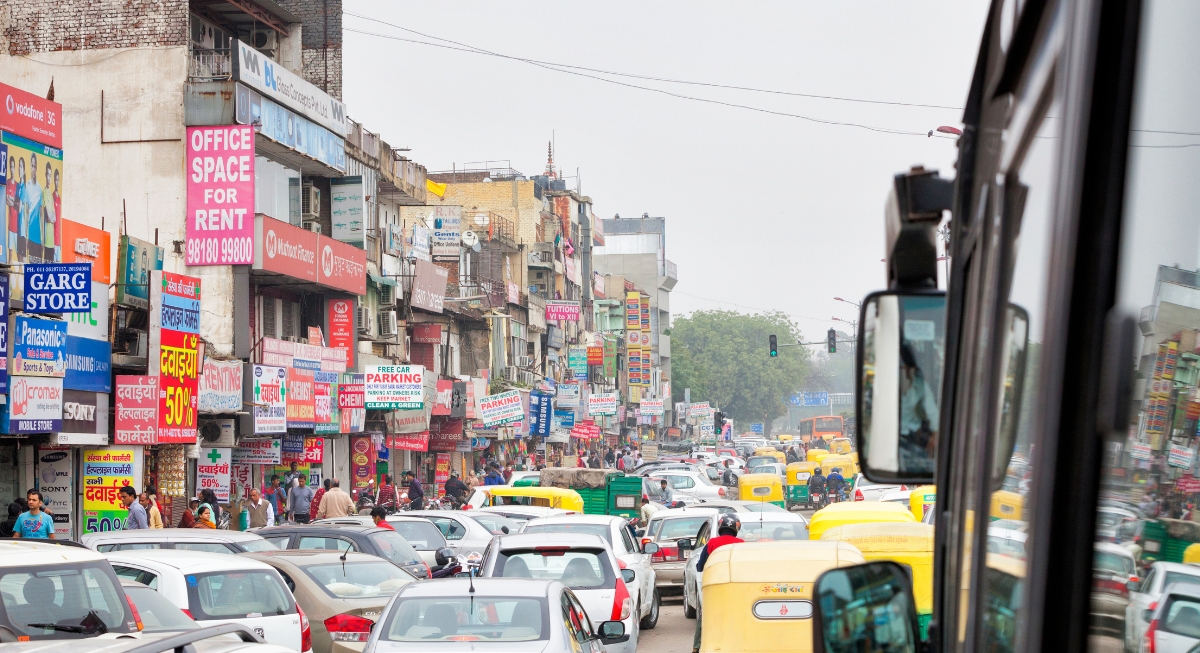
Credit: Getty Images
Delhi appears regularly in international pollution reports due to severe smog that affects the city during large parts of the colder season. Vehicle emissions, construction dust, industrial activity, and crop burning near surrounding states all contribute to dangerous outdoor conditions. Hospitals have also reported increased respiratory illnesses after pollution levels rise in the winter months.
Kabul, Afghanistan
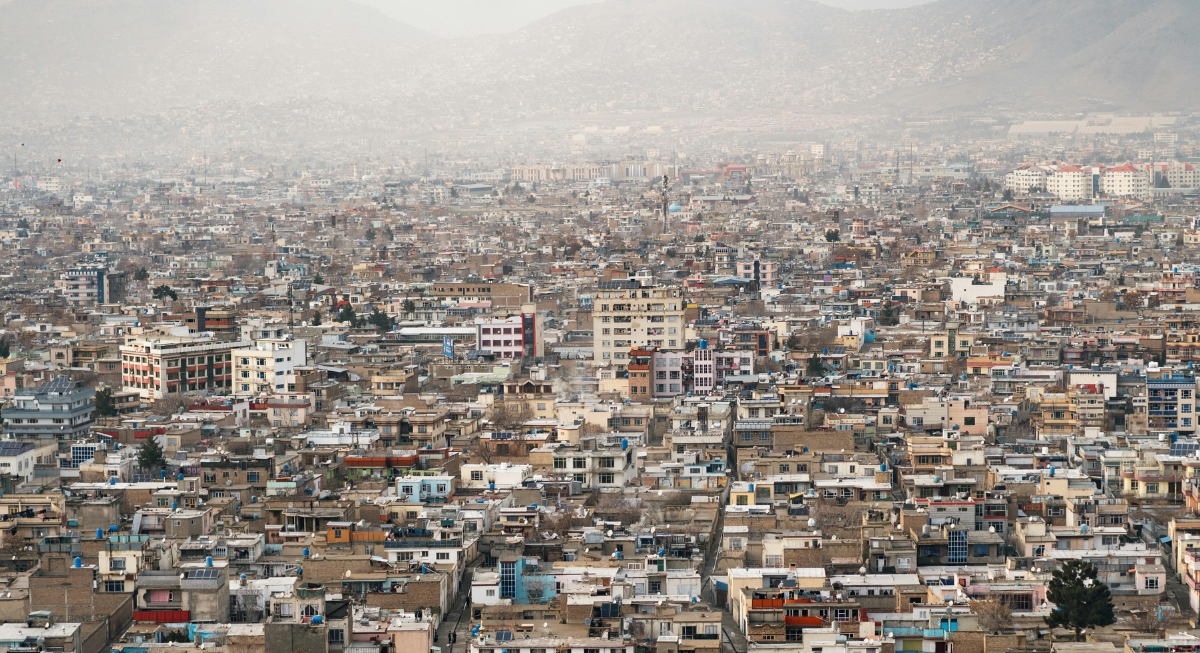
Credit: pexels
Cold weather is the culprit behind many of Kabul’s worst pollution periods because households still depend heavily on wood, coal, and low-grade fuels for heating. Mountain geography surrounding the capital further prevents polluted air from escaping the residential districts during colder periods. Meanwhile, older vehicles release additional emissions on roads already struggling with weak infrastructure.
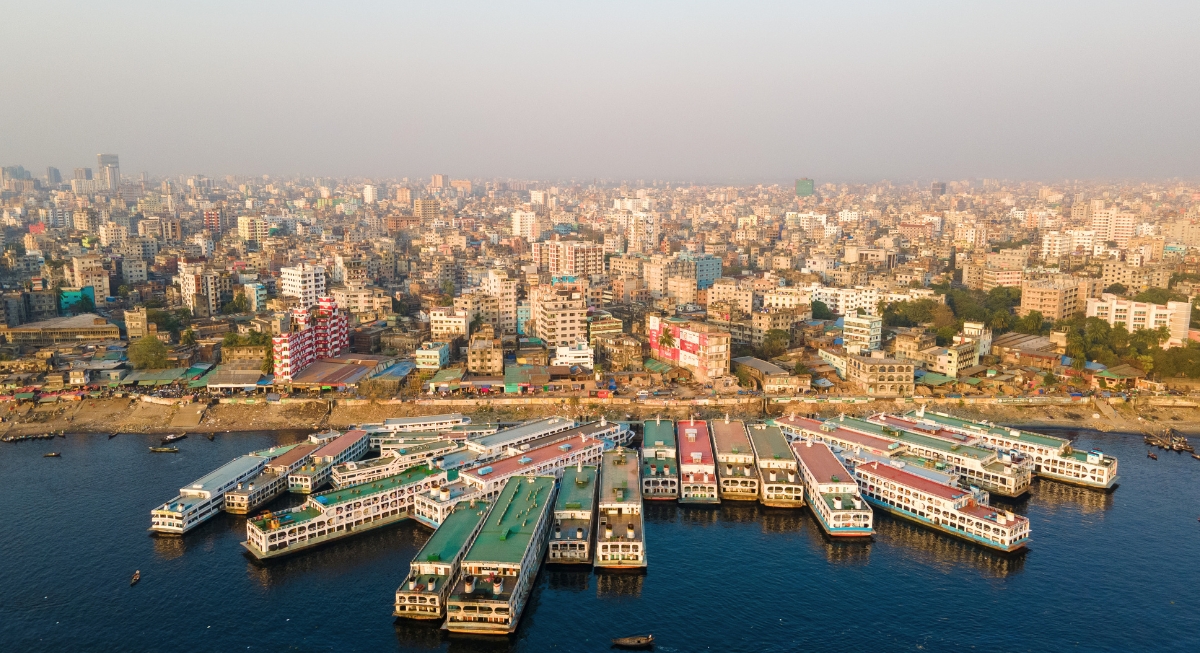
Dhaka, Bangladesh
Credit: Getty Images
The people of Dhaka have demanded that officials introduce stronger environmental reforms because pollution hinders the quality of life. On this note, authorities have discussed cleaner transportation policies and stricter industrial oversight, though rapid urban growth is still moving faster than many pollution control efforts.
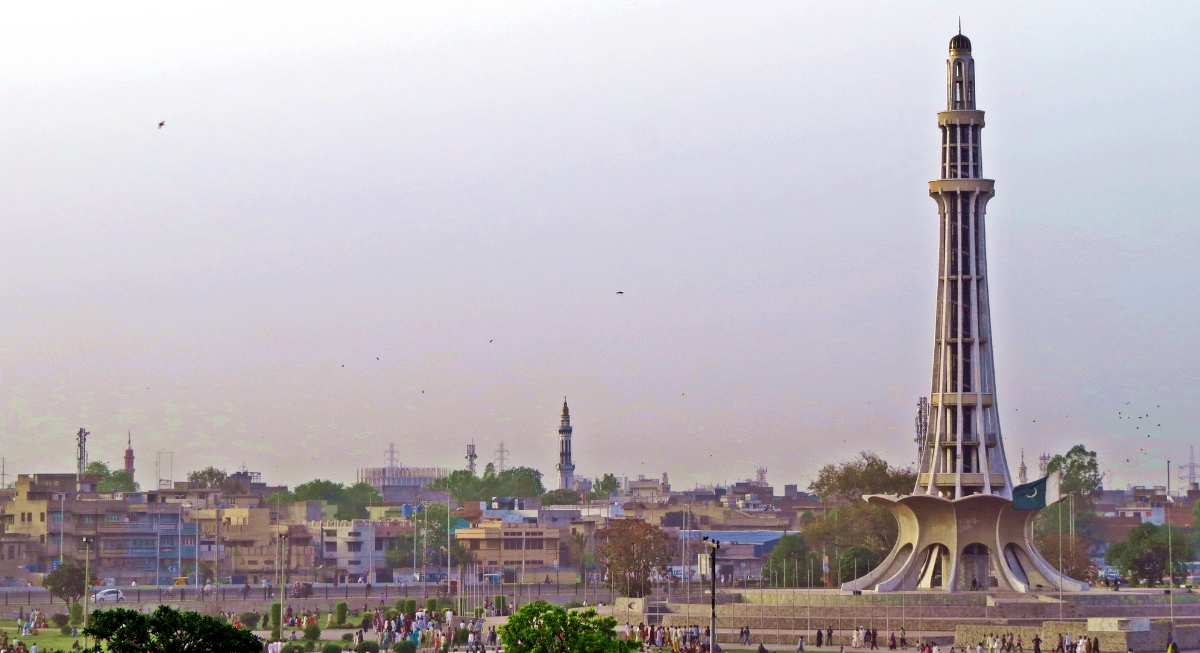
Lahore, Pakistan
Credit: Getty Images
Every year, thick winter smog pushes Lahore back into global pollution discussions as outdoor conditions become harder to tolerate. On occasion, temporary restrictions have also been introduced in the midst of pollution emergencies. Their purpose was to limit outdoor exposure and reduce emissions at the same time.