
Almost every corner of Spain gives you insights into its past. Ancient carvings, Roman engineering, Islamic design, and royal ambition all exist within reachable distance of each other. A single day can include ruins, cathedrals, and historic neighborhoods shaped by earlier civilizations. This layered history features centuries of political change, cultural exchange, and artistic development. Each location preserves a specific moment while also connecting to a broader story that continues to define how Spain looks and functions today.
Altamira Caves
Credit: Wikimedia Commons
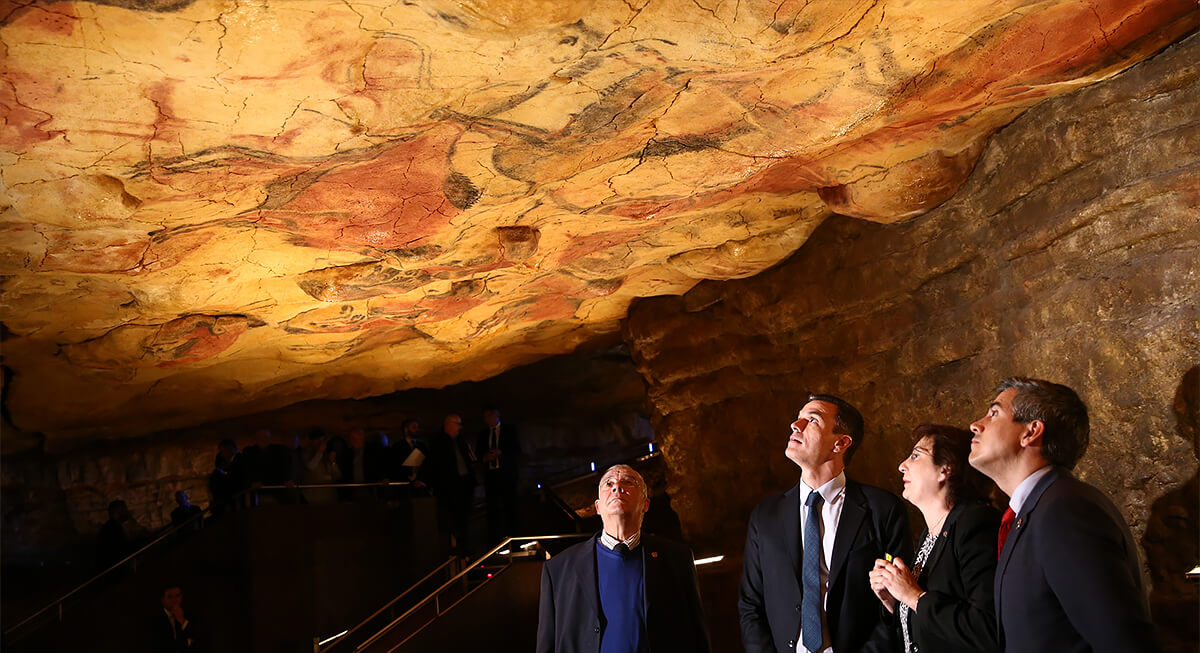
The paintings at Altamira date back tens of thousands of years and show animals rendered with deliberate technique. Access to the original cave is restricted because its fragile surfaces have been damaged in the past. However, you can visit the museum for a detailed reconstruction of the cave’s ceiling, including the famous bison paintings and other Paleolithic artwork.
Mérida
Credit: Wikimedia Commons
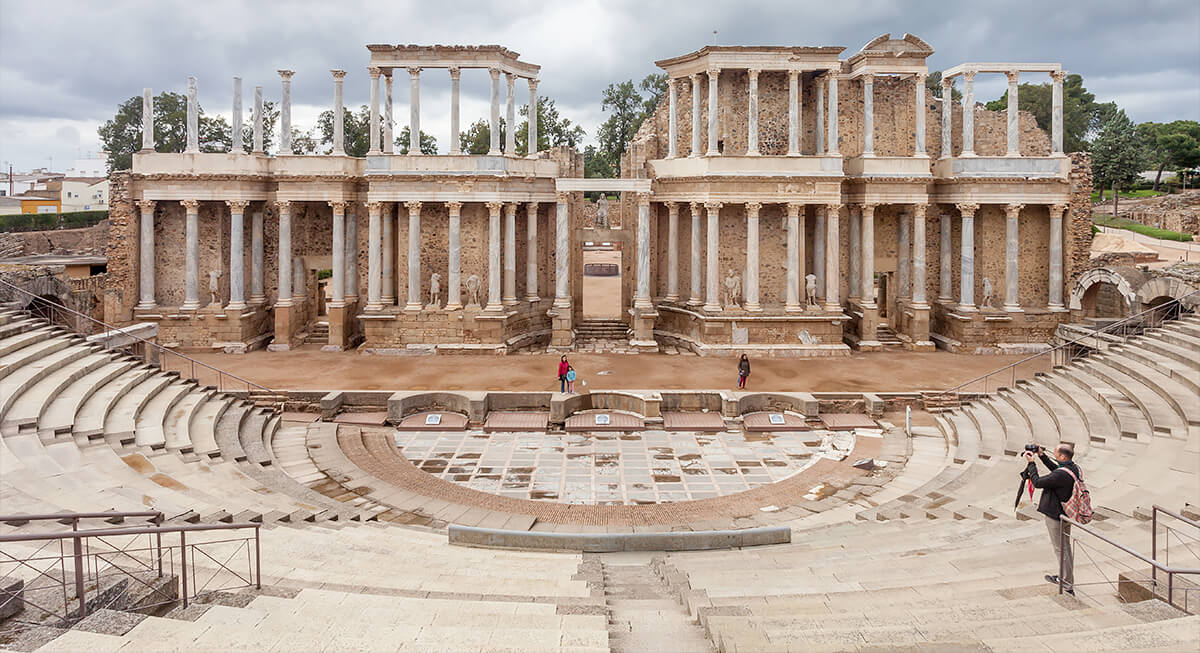
Founded in 25 BCE, Mérida developed into a major Roman settlement, with key public buildings standing close to one another. The theater, amphitheater, and aqueduct remain in place and give a clear sense of how the city once functioned. You can easily walk between these sites, as long as you are wearing comfortable walking shoes.
Toledo
Credit: Wikimedia Commons
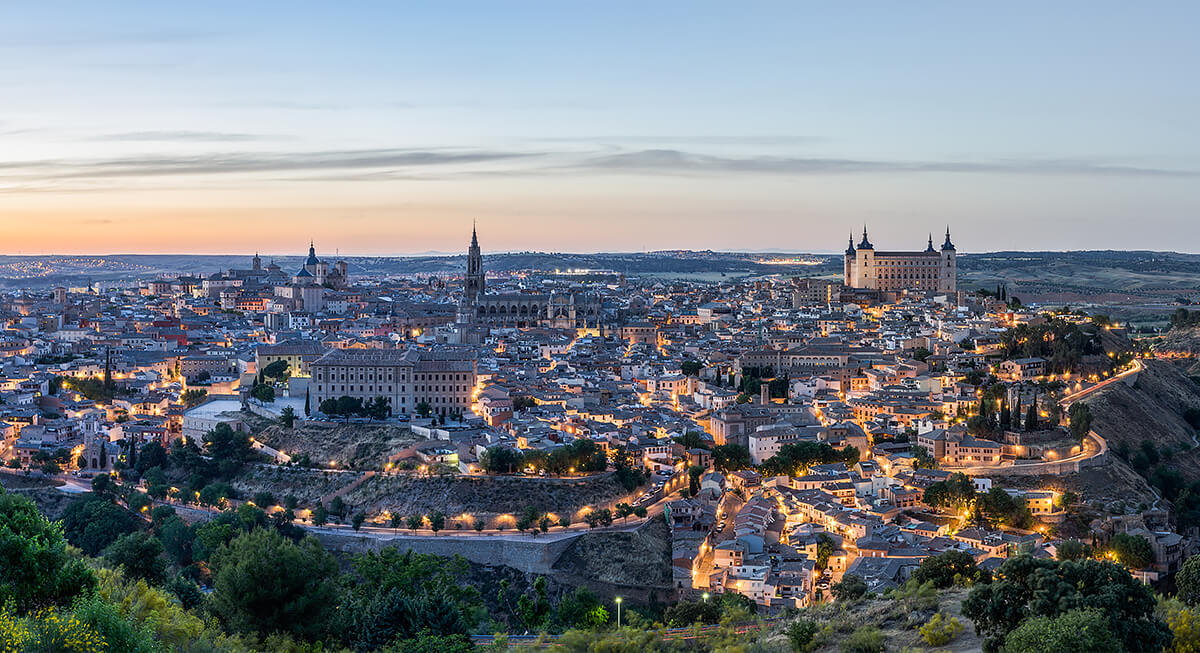
If you want to see how different cultures existed in one place over centuries, take a walk in the narrow streets of Toledo. They will lead you to synagogues, mosques, and cathedrals. In addition to that, you will find influences of Roman, Islamic, Jewish, and Christian traditions in buildings. For example, the Mezquita del Cristo de la Luz still preserves its original Islamic design, while nearby synagogues, such as Santa María la Blanca, reflect Jewish heritage.
Córdoba
Credit: Wikipedia
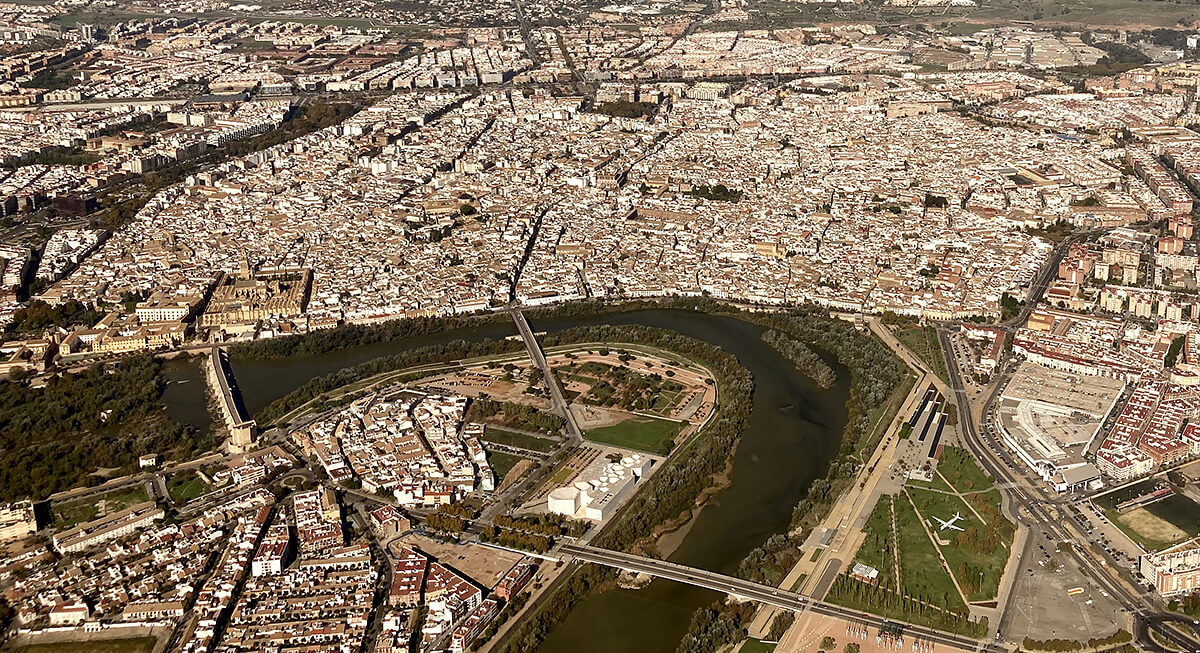
At its peak, Córdoba rivaled major centers such as Constantinople and Damascus. The Mosque-Cathedral reflects that status through scale and innovation. Builders introduced double arches to solve structural challenges while creating a distinct visual style. More than 1,200 columns support the interior space, many of which were reused from earlier Roman structures.
Medina Azahara
Credit: Wikimedia Commons
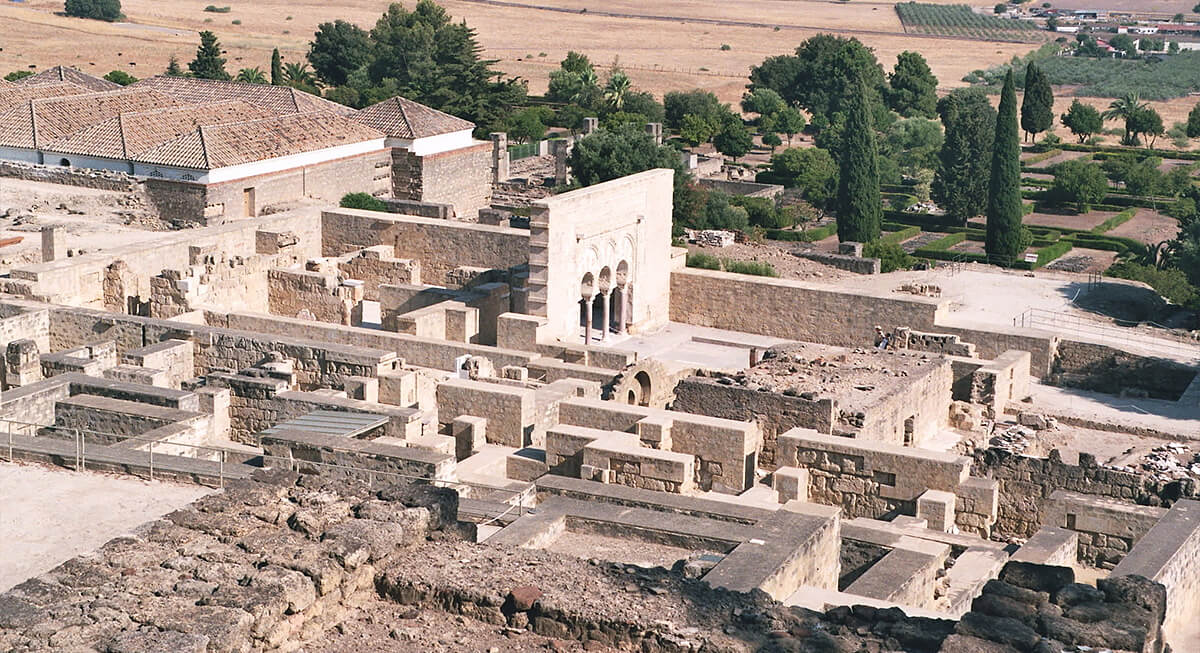
A short distance outside Córdoba, the remains of a once-powerful royal area are visible. Medina Azahara was built in the 10th century and served as the seat of the Caliphate of Córdoba. The site includes reception halls, administrative spaces, and residential areas arranged across terraces. Destruction came quickly, and the location was buried for centuries. Excavations uncovered only a portion of the original layout, yet the scale remains impressive.
Alhambra
Credit: Wikimedia Commons
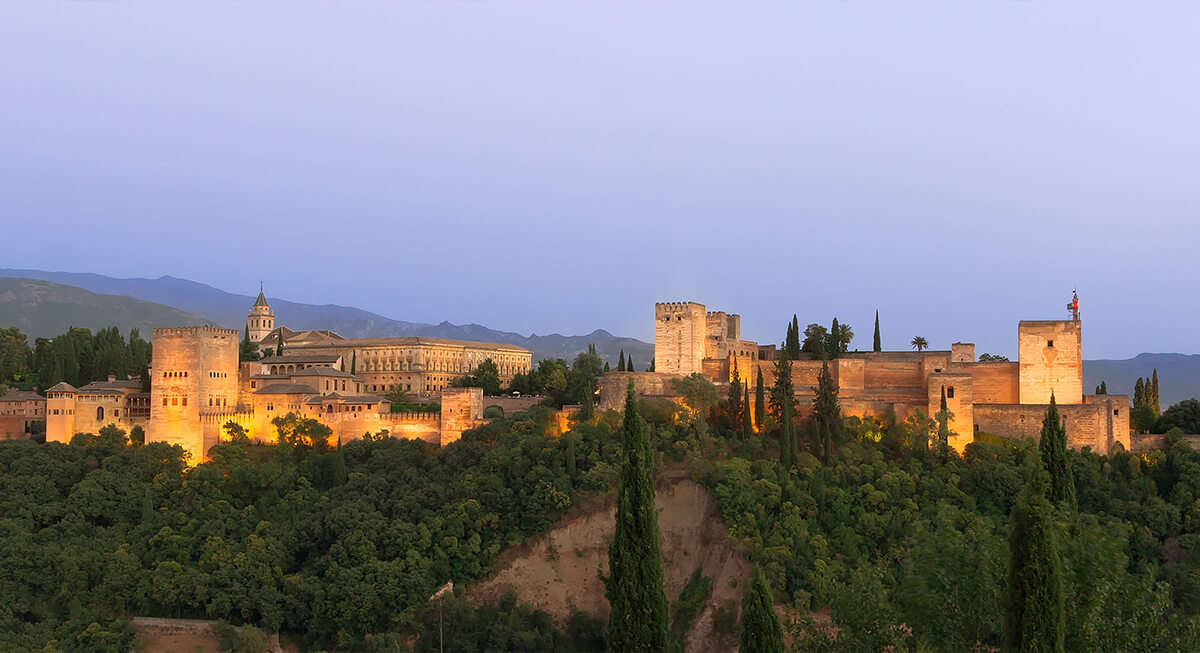
This complex demonstrates how architecture can express both power and refinement simultaneously. Constructed during the 13th and 14th centuries, the Alhambra includes palaces, courtyards, and defensive walls. Decorative details such as tilework, inscriptions, and carved stucco show careful planning. After Christian rulers took control, they preserved much of the ruins.
Seville
Credit: Wikimedia Commons
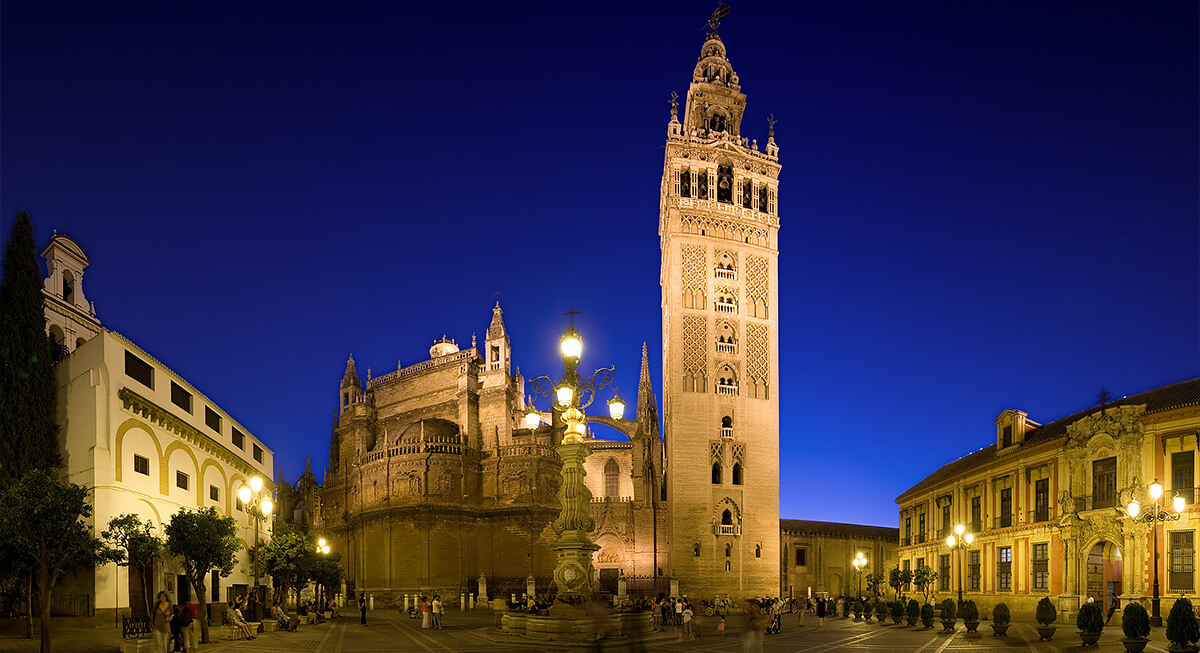
A single visit to Seville will show you several layers of historical development within a compact area. The cathedral is the largest Gothic structure of its kind and also houses the tomb of Christopher Columbus. Nearby, the Alcázar shows earlier Islamic design adapted for later rulers. You can also see the Giralda tower, which began as a minaret before becoming a bell tower.
Ávila
Credit: Wikimedia Commons
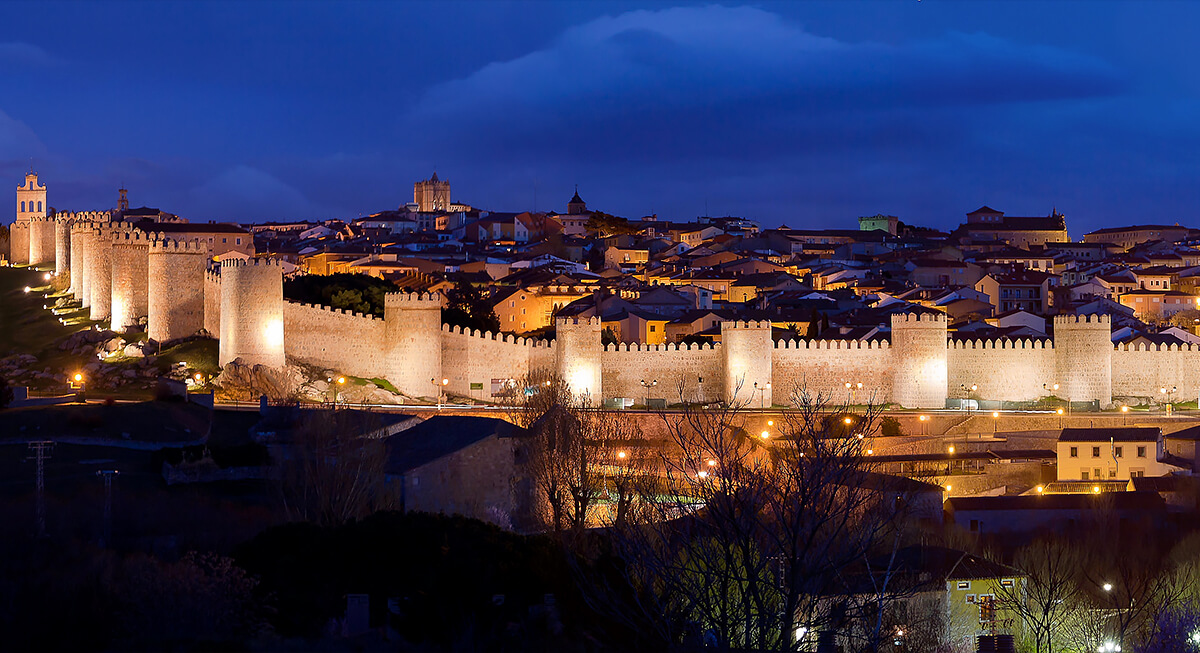
People who arrive at Ávila in the afternoon can enjoy better lighting and fewer crowds. This is especially important if you want to take your time checking out the thick stone walls here. These form a continuous barrier around the city with towers placed at regular intervals for defense and lookout. Walking along them lets you see how the city was protected and organized.
Segovia
Credit: Wikimedia Commons
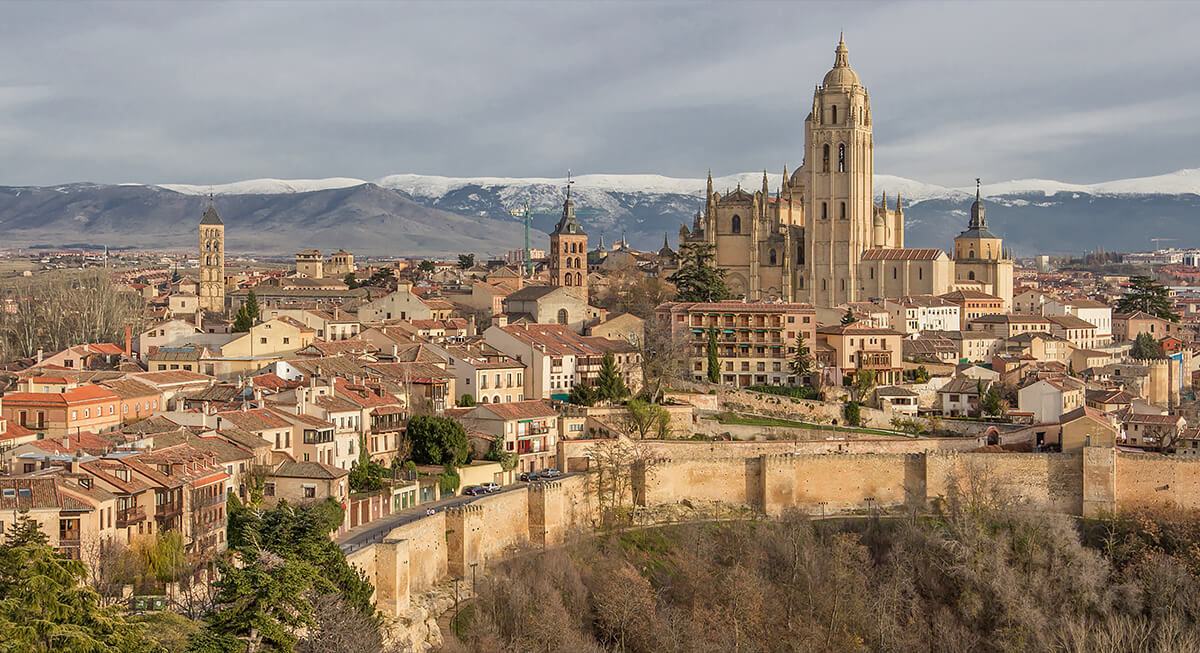
Many visitors arrive in Segovia to see the Roman aqueduct, drawn by its remarkable preservation and the fact that it was made without modern materials or mortar. The structure, with its long series of arches, once carried water into the area and still stands as a clear example of Roman engineering. The surrounding space adds more depth to the visit, with the cathedral and Alcázar showing later architectural styles.
Santiago de Compostela
Credit: pexels
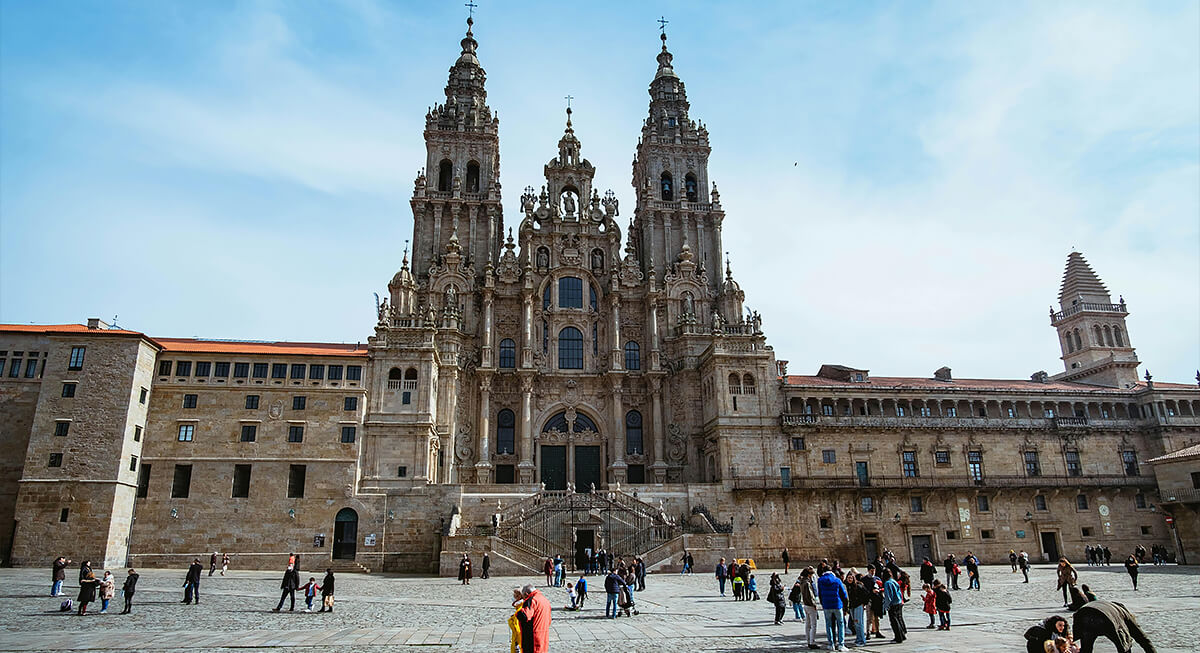
You can trace centuries of pilgrimage by arriving at this location, shaped by the long journeys of travelers bound for a single destination. The route leading here, known as the Camino de Santiago, connects multiple regions and traditions. The city centers around the tomb believed to hold the ruins of Saint James. Meanwhile, the architecture reveals growth across different periods, including Romanesque, Gothic, and Baroque styles.