
Yellowstone in winter is a different park entirely. Roads close as snow buries the landscape and steam curls into the cold air. The crowds thin out, wildlife pushes into the open, and even famous geysers seem quieter. Getting around takes more effort, but the payoff makes every stop worth it because of these magical reasons.
Peaceful Boardwalks Without The Summer Rush
Credit: Wikimedia Commons
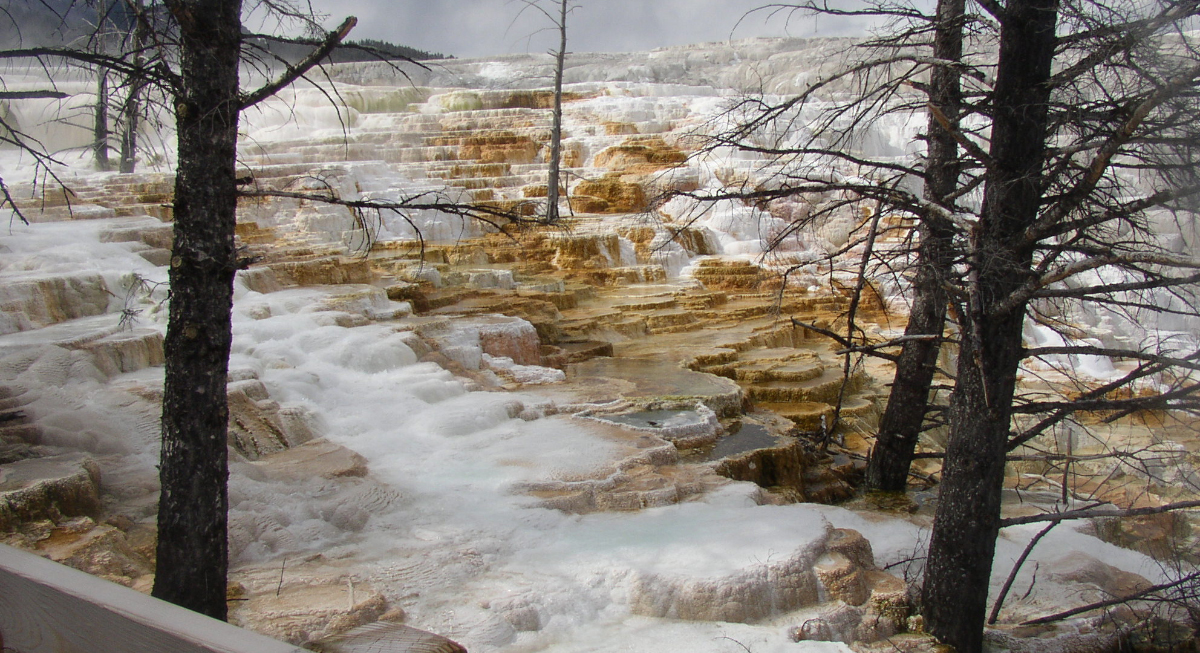
Winter reduces Yellowstone’s visitor numbers once temperatures drop below freezing. Spots like Old Faithful and Mammoth Hot Springs finally feel calm. Boardwalks that are filled shoulder-to-shoulder in July suddenly have space.
Deep Snow Turns Yellowstone Into A Winter Postcard
Credit: Wikimedia Commons
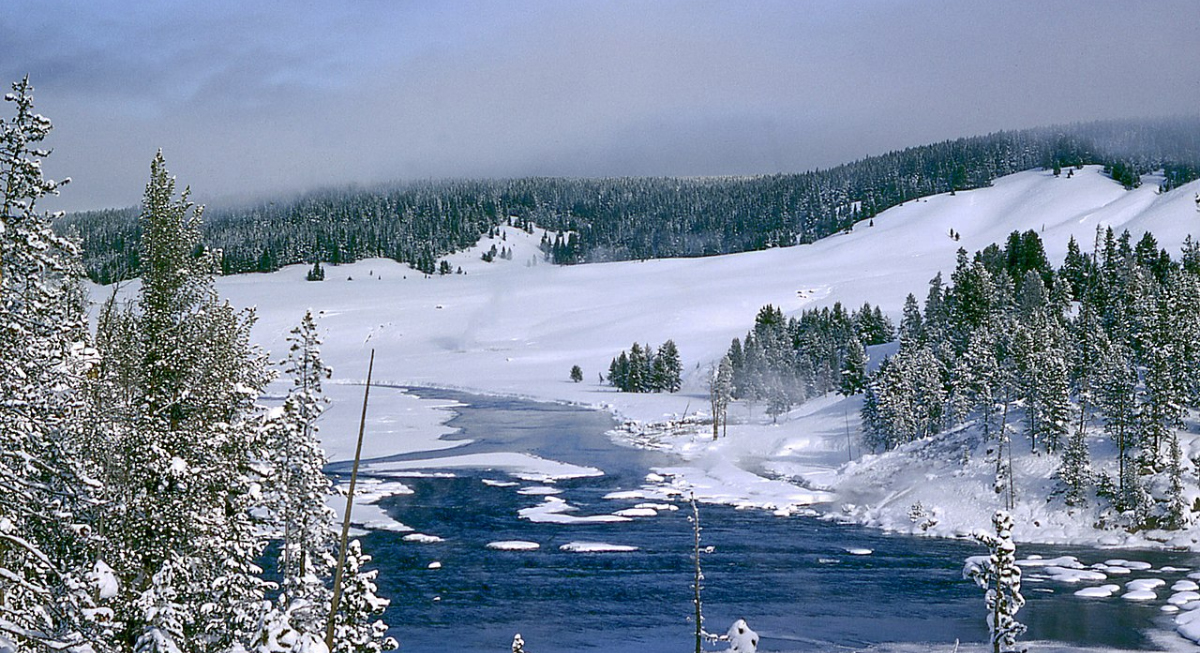
Snow spreads across the forests and riverbanks during the coldest months. Waterfalls freeze into chunky walls of ice while parts of rivers develop frozen surfaces. Steam rising from hot springs becomes easier to see in cold air, and the white ground makes geothermal colors pop.
Northern Range Roads Stay Open All Winter
Credit: Wikimedia Commons
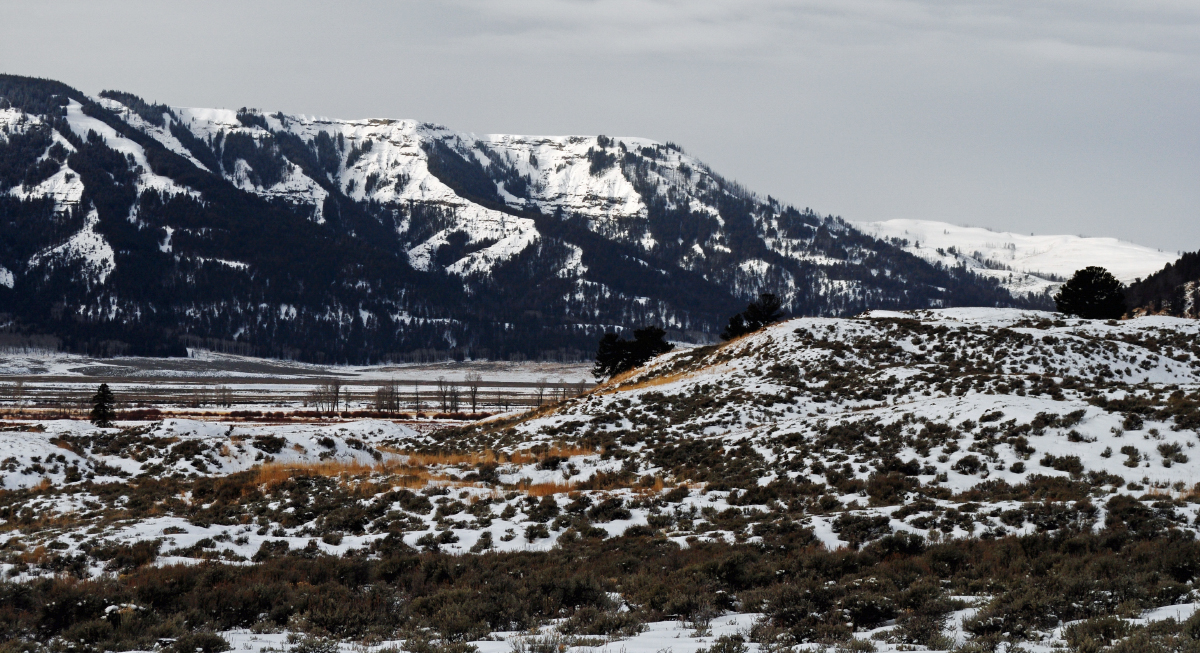
While most of Yellowstone is closed to normal traffic, the Northern Range keeps several roads open. Visitors can still drive between Mammoth Hot Springs, Tower Fall, and Lamar Valley. This area supports large wildlife populations, so winter drives here often include sightings of bison or elk.
Winter Makes Wildlife Easier To Spot
Credit: iStockphoto
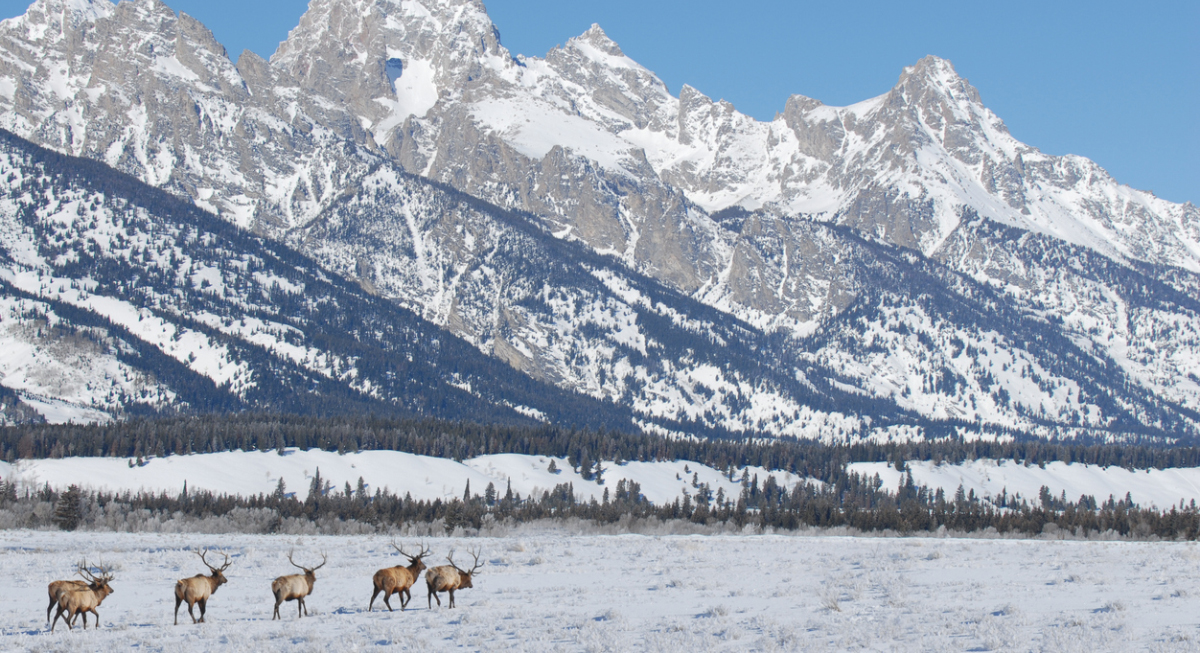
This season forces animals out into the open as food becomes harder to find. It’s at this time that guests can see bison swinging their massive heads to clear snow while digging for grass, and elk moving toward lower elevations where conditions improve. Foxes also remain active, darting across snowy ground while hunting for small prey.
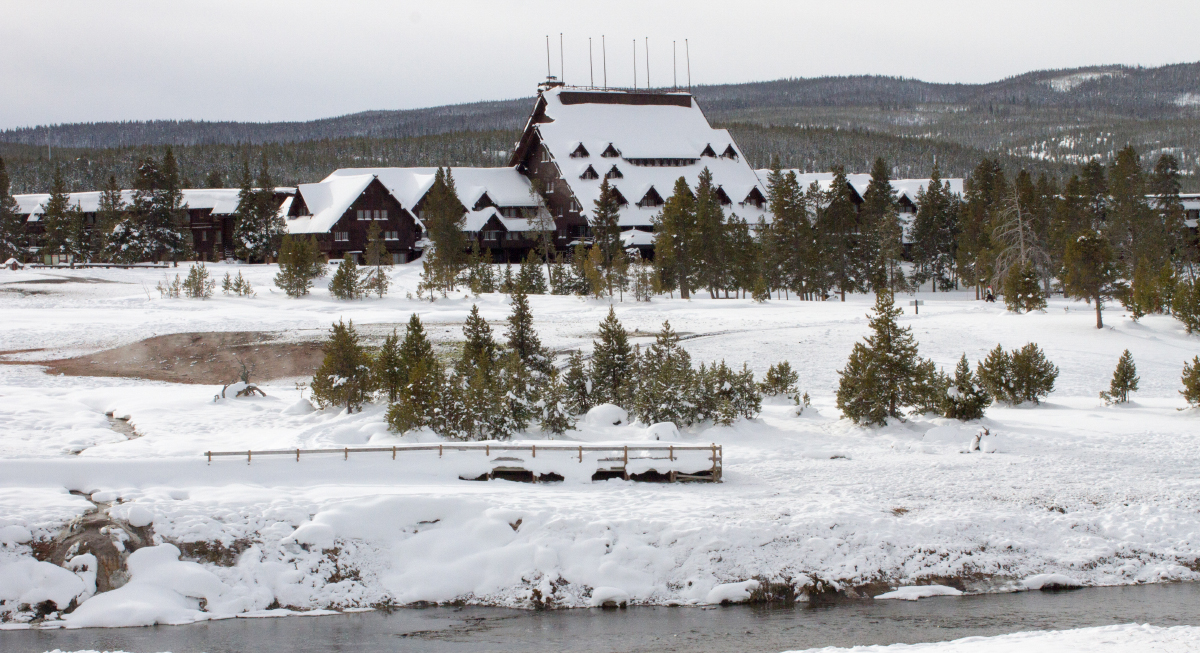
Winter Lodges Keep Visitors Warm Between Adventures
Credit: Wikimedia Commons
Old Faithful Snow Lodge stays open year-round and offers a warm respite from the cold. Lodging and Learning programs pair guided trips with educational talks about Yellowstone. Lamar Buffalo Ranch also hosts field seminars that include overnight stays in one of the park’s quietest areas.
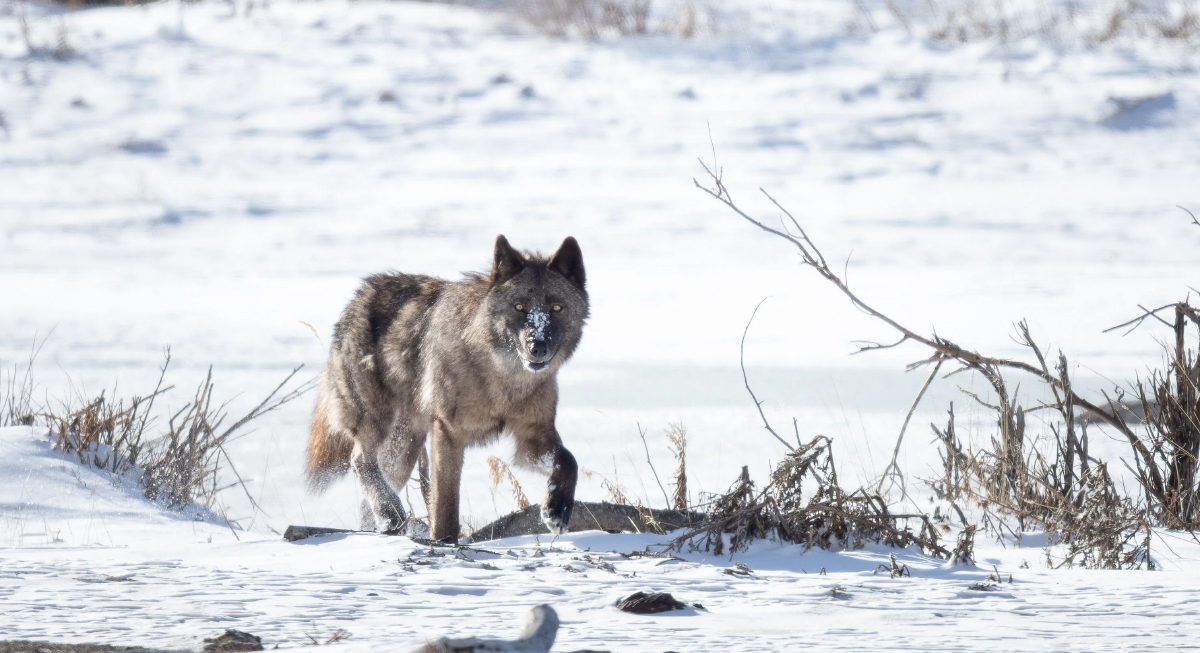
Lamar Valley Offers Yellowstone’s Best Wolf Sightings
Credit: Reddit
Speaking of Lamar, Lamar Valley has built a reputation as one of the best wolf-viewing areas anywhere. These animals were reintroduced into Yellowstone between 1995 and 1997. Packs roam across open ground, and fresh snow makes their movement easier to notice.
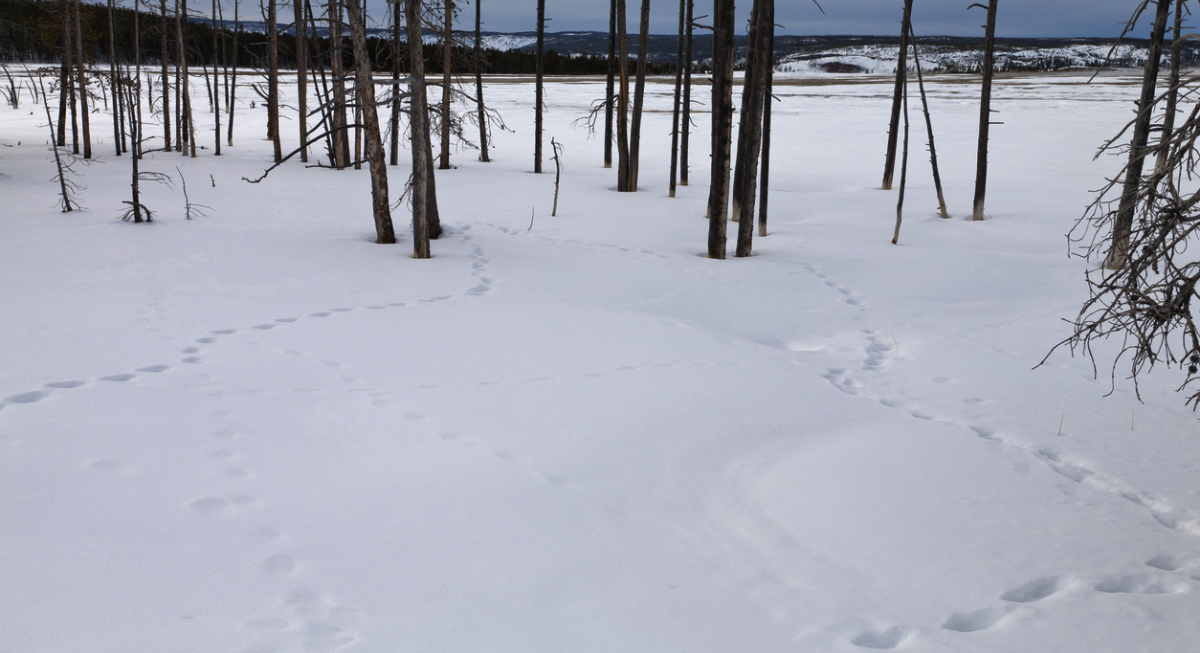
Fresh Snow Reveals Yellowstone’s Hidden Wildlife Trails
Credit: iStockphoto
Fresh snowfall creates a clean surface where new tracks stand out clearly. Visitors can follow where animals moved after the snow settled and view activity that would otherwise go unnoticed.
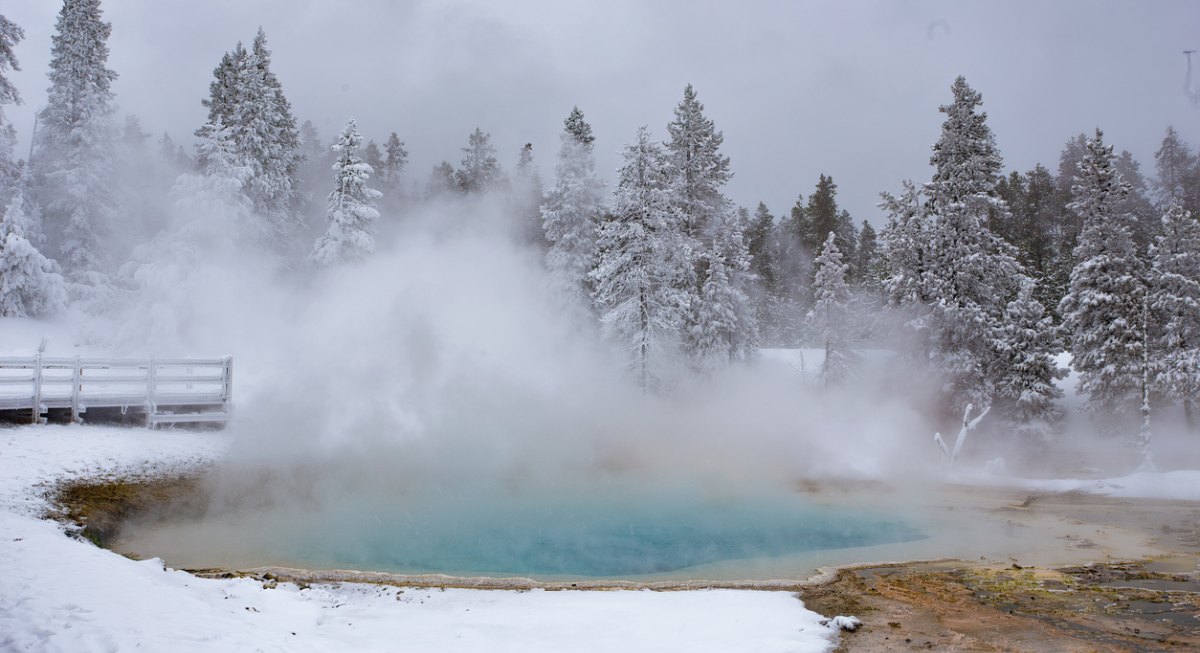
Cold Air Makes Yellowstone’s Geysers Look Bigger
Credit: iStockphoto
Freezing temperatures make Yellowstone’s geothermal features look more dramatic. Steam from geysers and hot springs rises higher and hangs in the air longer. Snow surrounding the pools also makes the water's natural colors appear brighter than they do during warmer months.
Snowcoaches And Snowmobiles Reach Yellowstone’s Interior
Credit: Tripadvisor
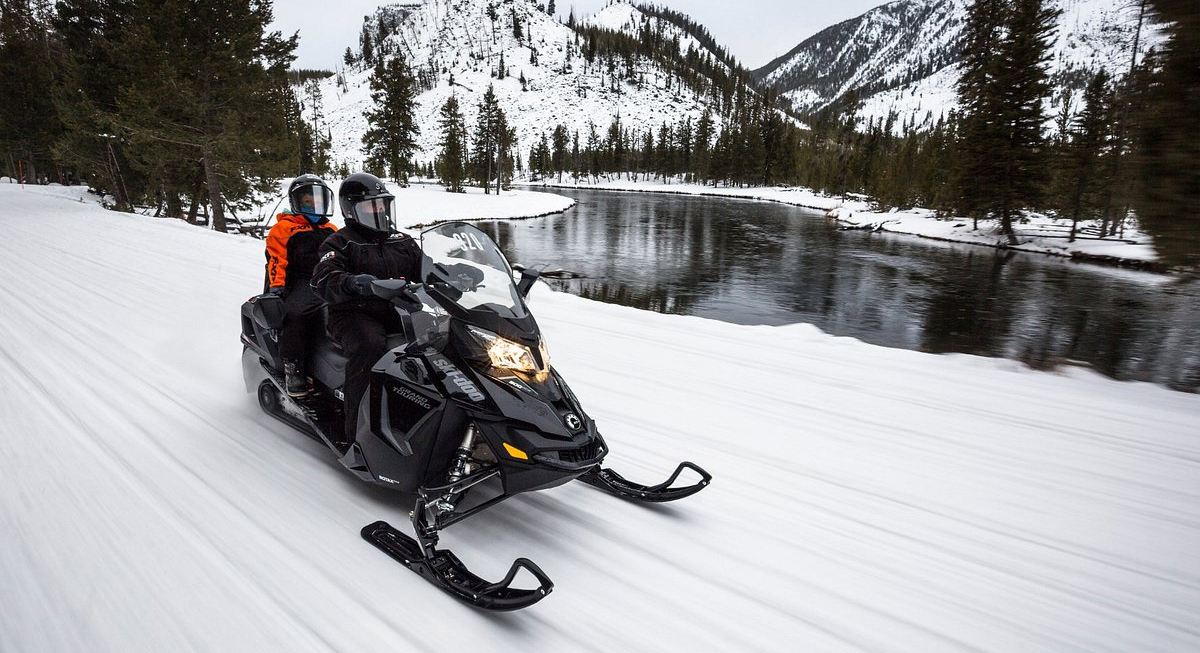
Once deep snow settles in, most interior park roads are closed to standard vehicles. Snowcoaches and guided snowmobiles take over as the main way to travel deeper into the national park. These machines roll past geysers and frozen rivers that feel especially remote during winter.
Snowshoeing And Skiing Unlock Quiet Park Trails
Credit: Wikimedia Commons
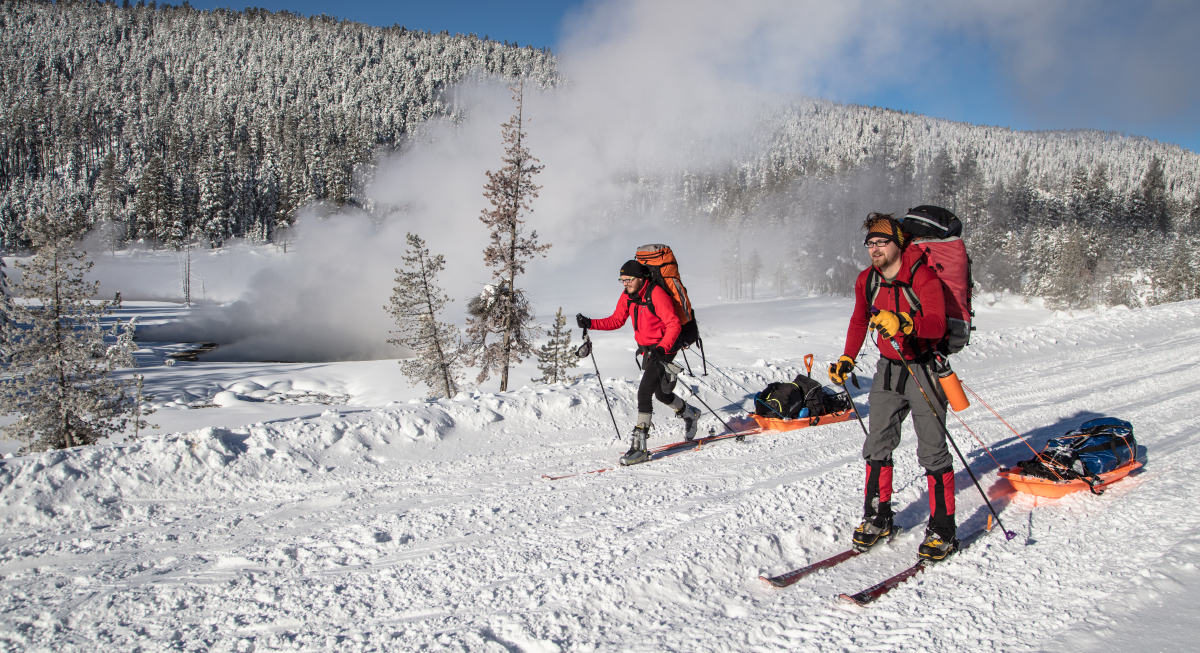
Snowshoeing and cross-country skiing open up in areas beyond Yellowstone’s limited winter roads. Trails travel through forests and geothermal zones. Moving through the park this way slows everything down and makes wildlife encounters feel more natural.