
Uzbekistan may not be at the top of your bucket list, but that does not mean it has nothing to offer. Traveling in this country will bring you into working towns, active craft centers, and regions shaped by agriculture, trade, and history. You see pottery made in family courtyards, silk woven by hand, and markets filled with local produce.
The point is, this country holds far more than its well-known landmarks, with several hidden places that do not typically make headlines. Now is a good time to learn about them and see what they add to the overall experience.
Fergana Valley
Credit: Wikimedia Commons
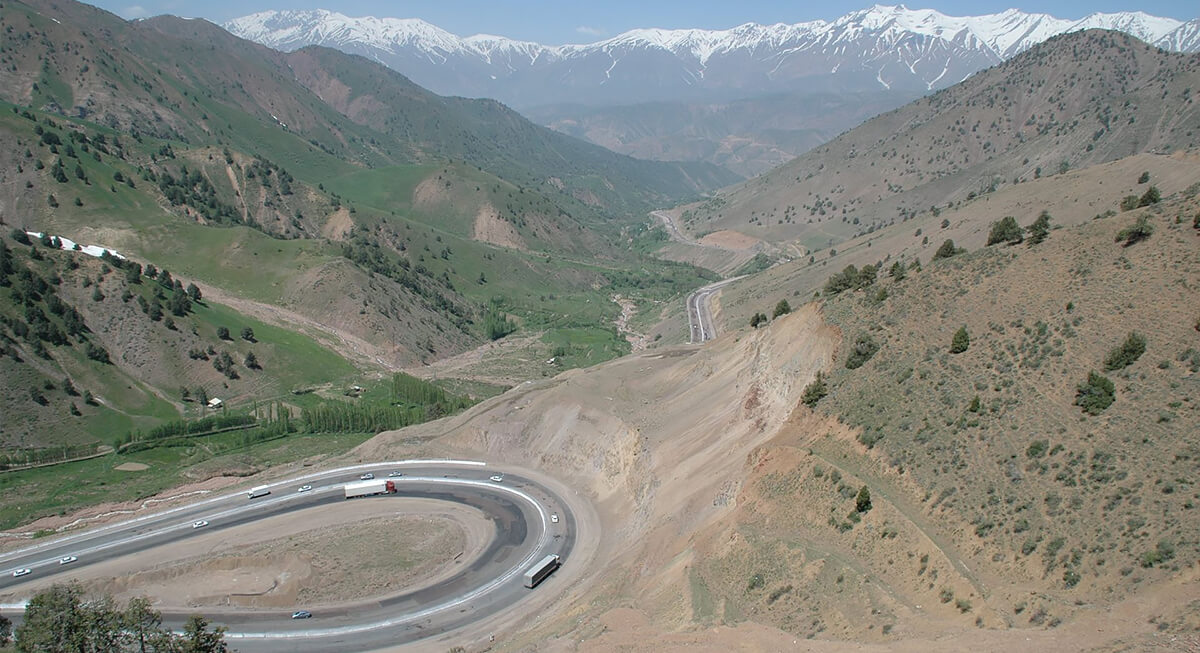
History buffs would appreciate the Fergana Valley for its connection to Babur, the founder of the Mughal Empire, whose legacy shaped much of South Asian history. The region’s significance also lies in its setting; it’s known for producing apricots, pomegranates, and mulberries that supply local markets. Spending time here will allow you to see how rural economies function without heavy tourism influence.
Rishtan
Credit: Wikimedia Commons
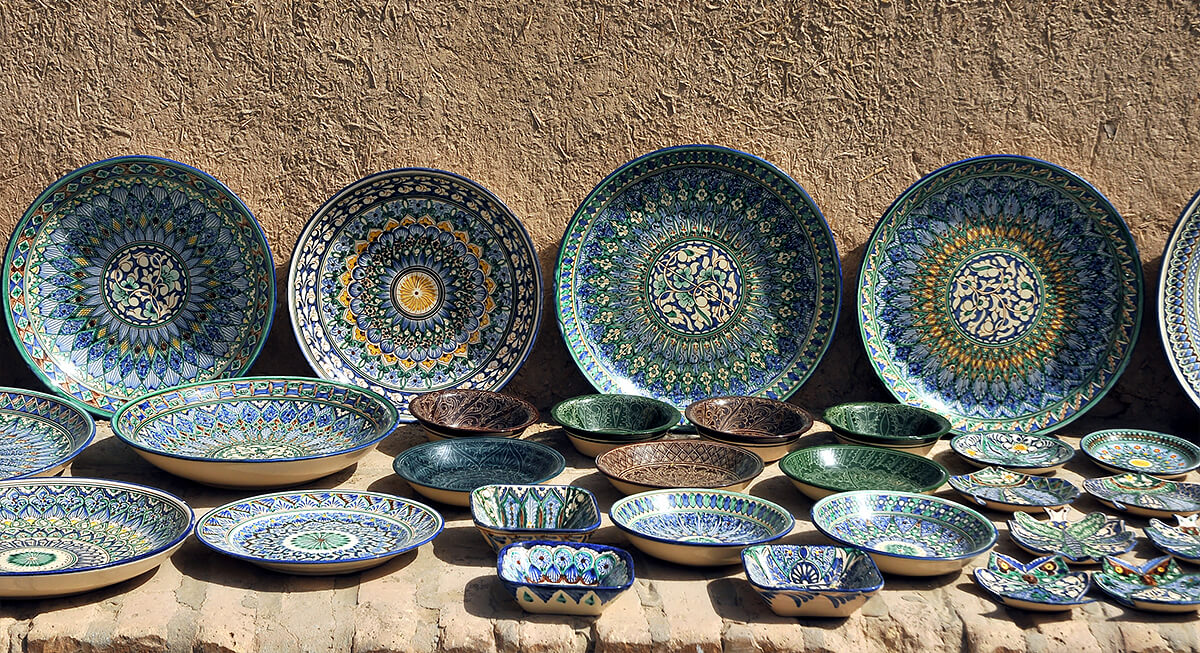
Craft production in Rishtan is deeply tied to family knowledge and local materials. Pottery workshops operate in small spaces where artisans shape raw clay by hand, paint intricate patterns, and fire the pieces in traditional kilns. The distinctive blue glaze uses ishkor, a traditional material strongly associated with this region.
Margilan
Credit: Wikimedia Commons
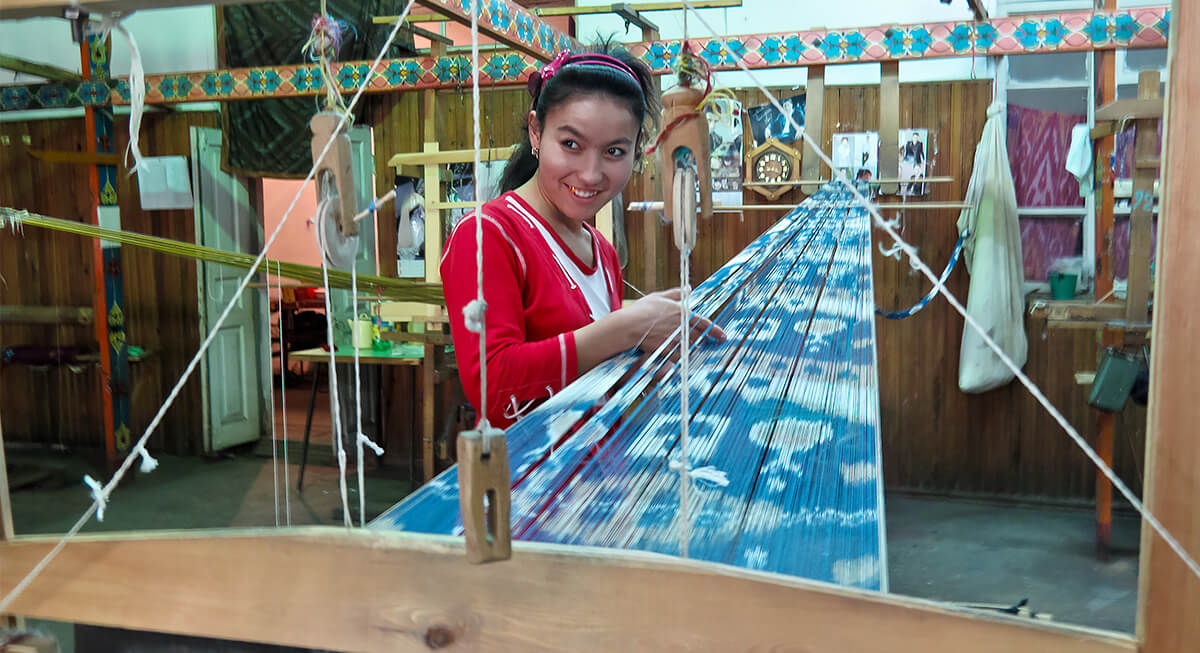
At the Yodgorlik Factory in Margilan, textile production still depends on manual skill. Workers reel silk threads, dye them in bold colors, and weave ikat patterns known as abr. Each stage follows a clear sequence that requires coordination between specialists. You can purchase textiles directly, mostly at fair local prices.
Chimgan Mountains
Credit: Wikipedia
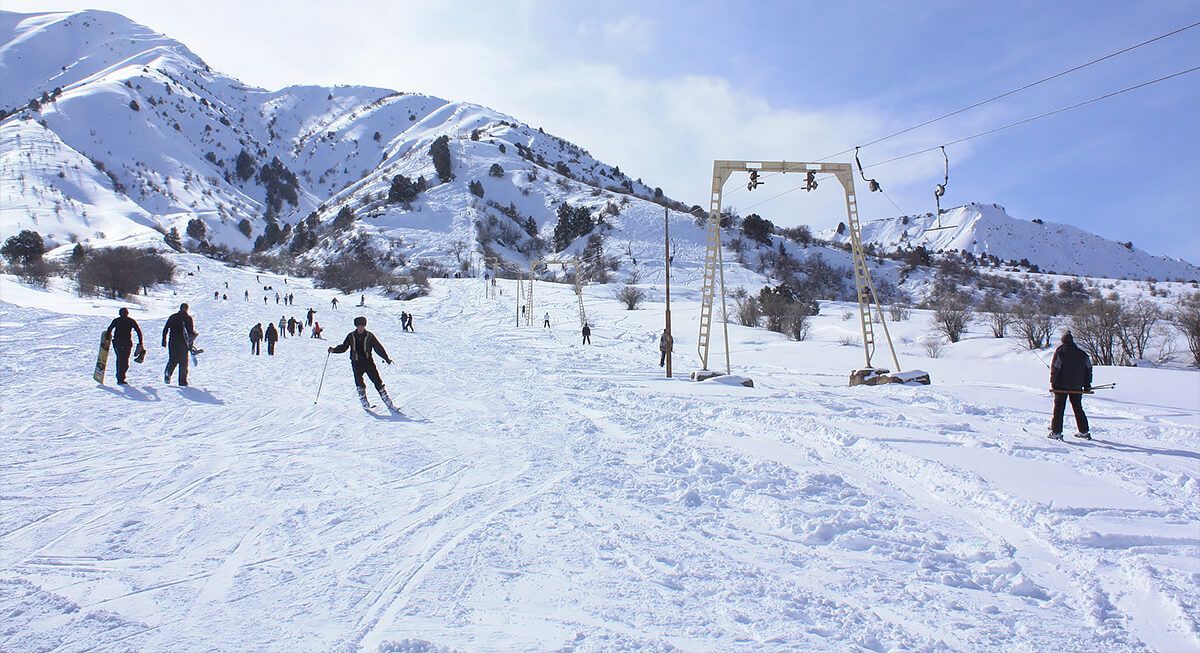
This mountain range provides a clear change in climate and activity compared to the surrounding areas. Cooler air and forested slopes support hiking trails, ski runs, and climbing routes. Greater Chimgan serves as a training ground for mountaineers, with options for beginners and experienced climbers alike. Day trips are accessible since the place is about an hour from Tashkent.
Charvak Reservoir
Credit: Wikimedia Commons
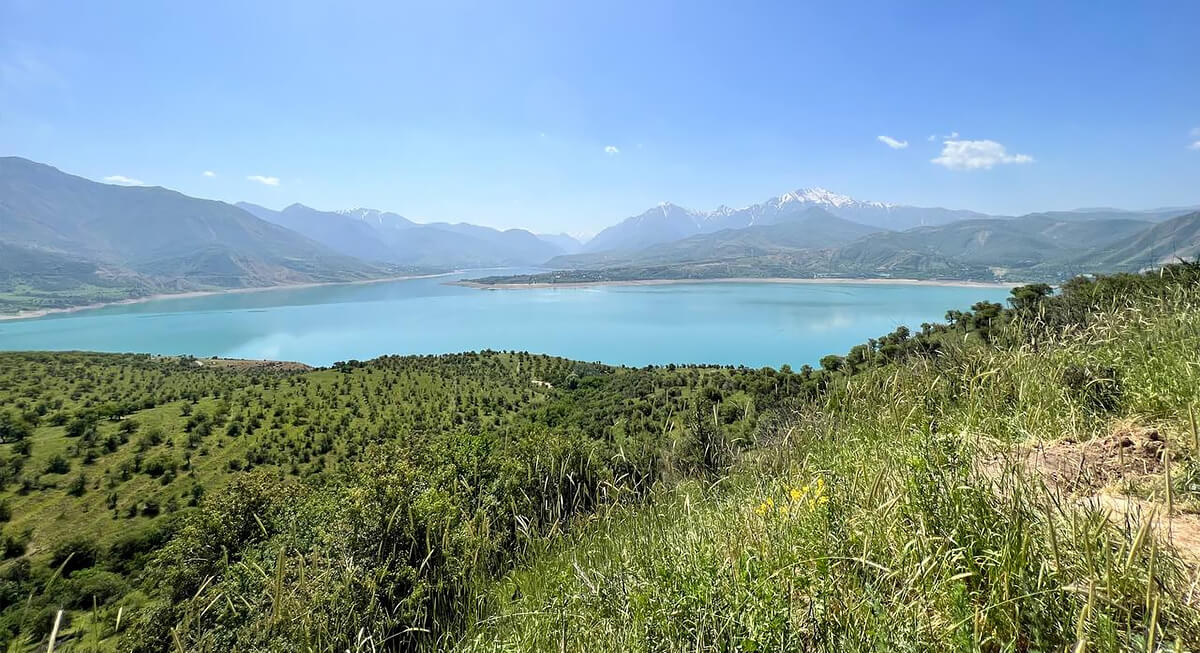
Charvak Reservoir is at the center of the Chimgan mountain region, and draws people for both activity and rest. Swimming and boating remain common during warmer months, though many visitors simply stay near the shoreline. Small hotels, villas, and tea houses line the area for short breaks and overnight stays.
Shahrisabz
Credit: Wikimedia Commons
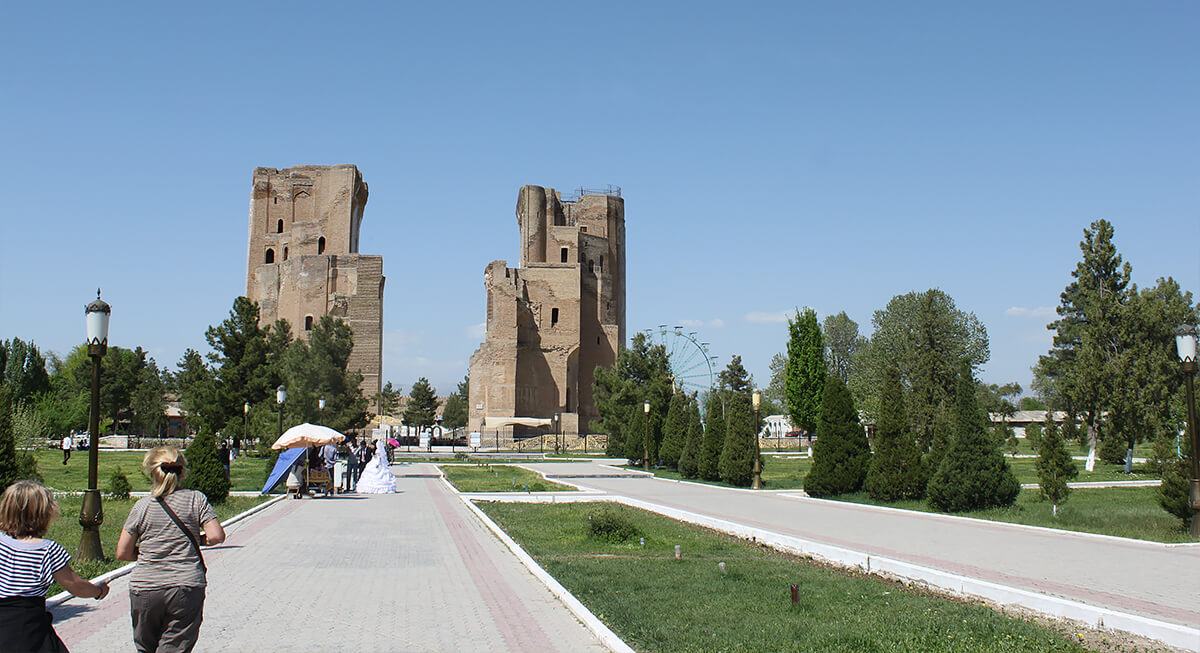
Shahrisabz was the birthplace of Amir Timur, the 14th-century ruler who built a vast empire across Central Asia. One of the key sites here is the Ak-Saray Palace, a royal residence he commissioned to reflect his power. Today, only parts of its massive entrance remain, but they show its original scale.
Elliq Qala
Credit: Wikimedia Commons
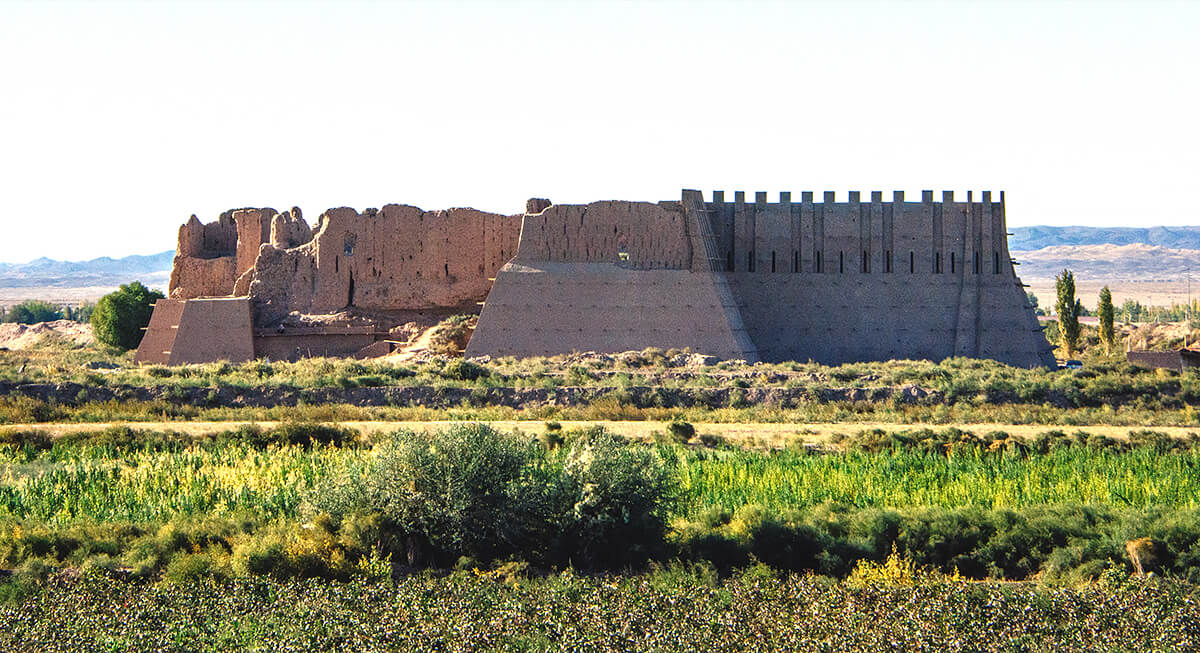
The Elliq Qala is lined with ancient fortresses that were built to control key trade routes. Some are nearly 2,000 years old. Sites such as Toprak Qala and Ayaz Qala still show clear layouts of ceremonial halls and defensive walls.
Nukus
Credit: Canva
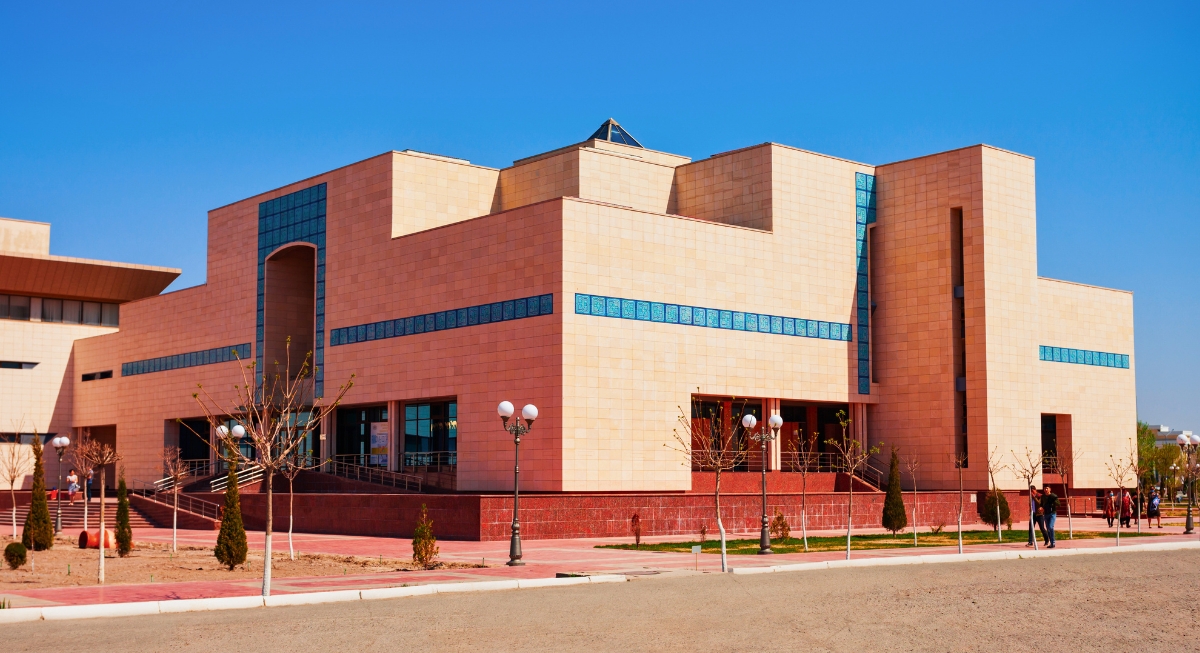
This remote city houses one of Central Asia's most significant art collections. The Savitsky Museum here preserves around 90,000 works, including Soviet avant-garde pieces that survived censorship. Founder Igor Savitsky spent years collecting and protecting these items.
Aral Sea
Credit: Wikimedia Commons
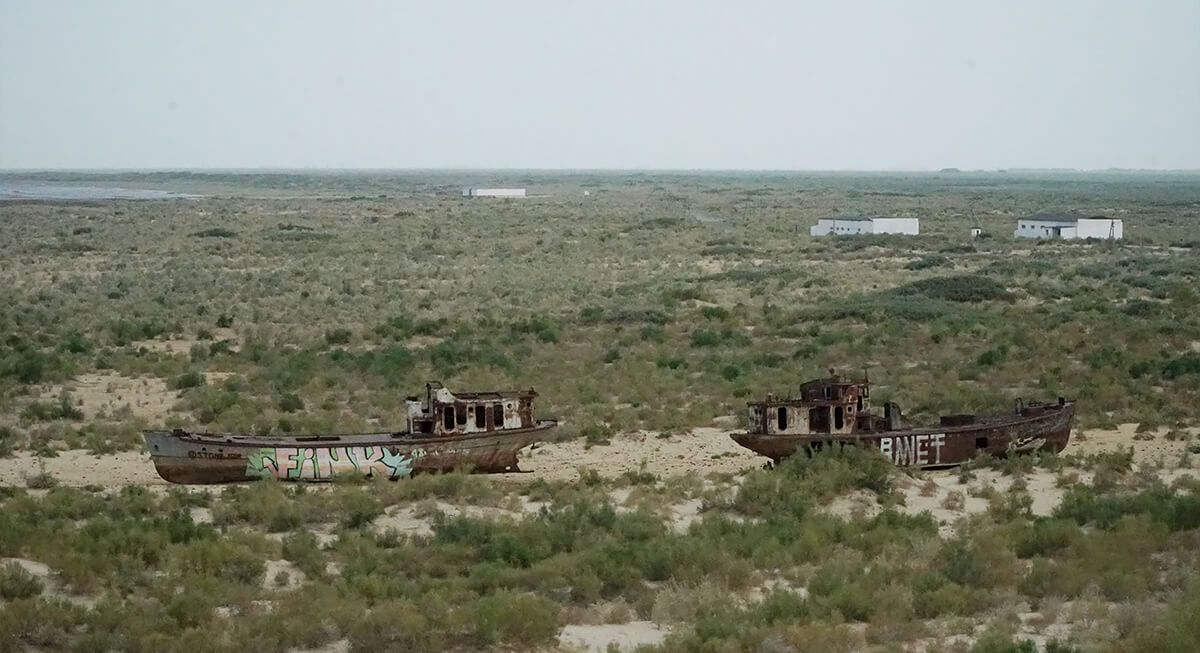
Environmental change is visible in the areas around the Aral Sea, since a major body of water has largely disappeared. Soviet irrigation projects diverted key rivers, thereby lowering sea levels over time. Tourists typically take a walk among abandoned ships that once supported active fishing industries.
Karakalpakstan
Credit: Wikimedia Commons
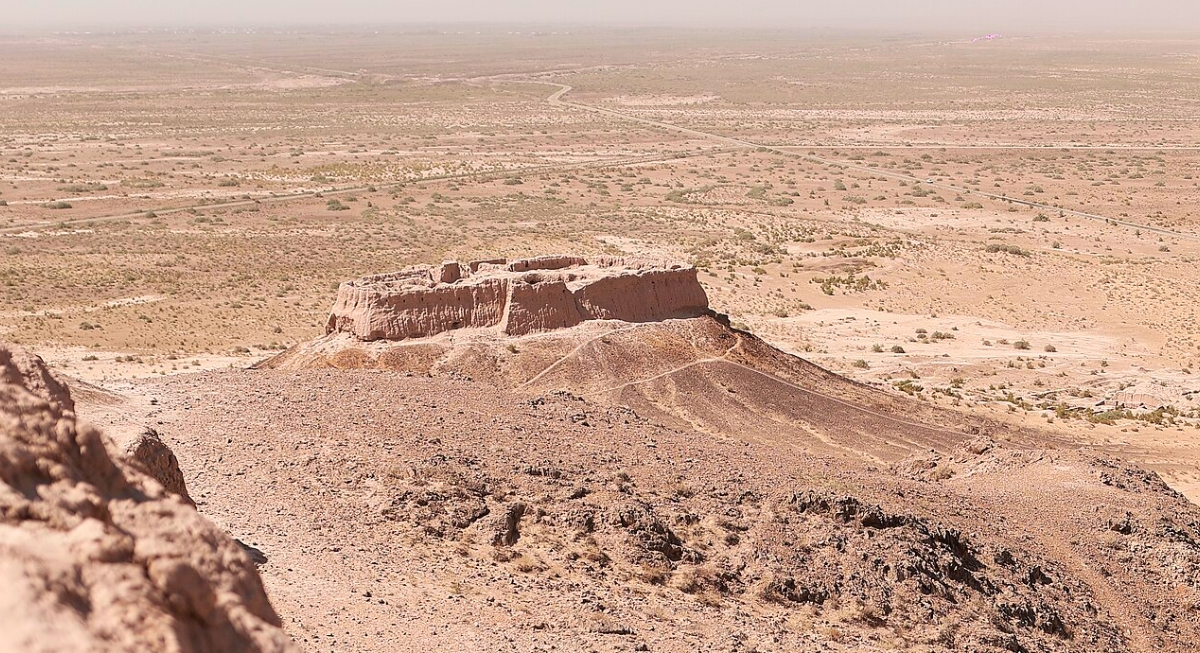
The name “Karakalpakstan” translates to “Black Hat,” a reference tied to the identity and traditional dress of its people. This autonomous republic is in the northwestern part of Uzbekistan, marked by wide, open terrain and long travel distances between locations. You will find fewer crowds and less infrastructure here than in major cities.