
Most towns like Coober Pedy have a main street, a few parks, and some shops. But this outback town in South Australia is unique, as a significant portion of it exists below the earth's surface. There are underground homes, churches, hotels, bars, and bookstores here. About half the population lives, works, and socializes underground for practical yet interesting reasons. Here are 10 things that make this place unlike anywhere else on the planet.
A Teenager Started It All
Credit: Wikimedia Commons
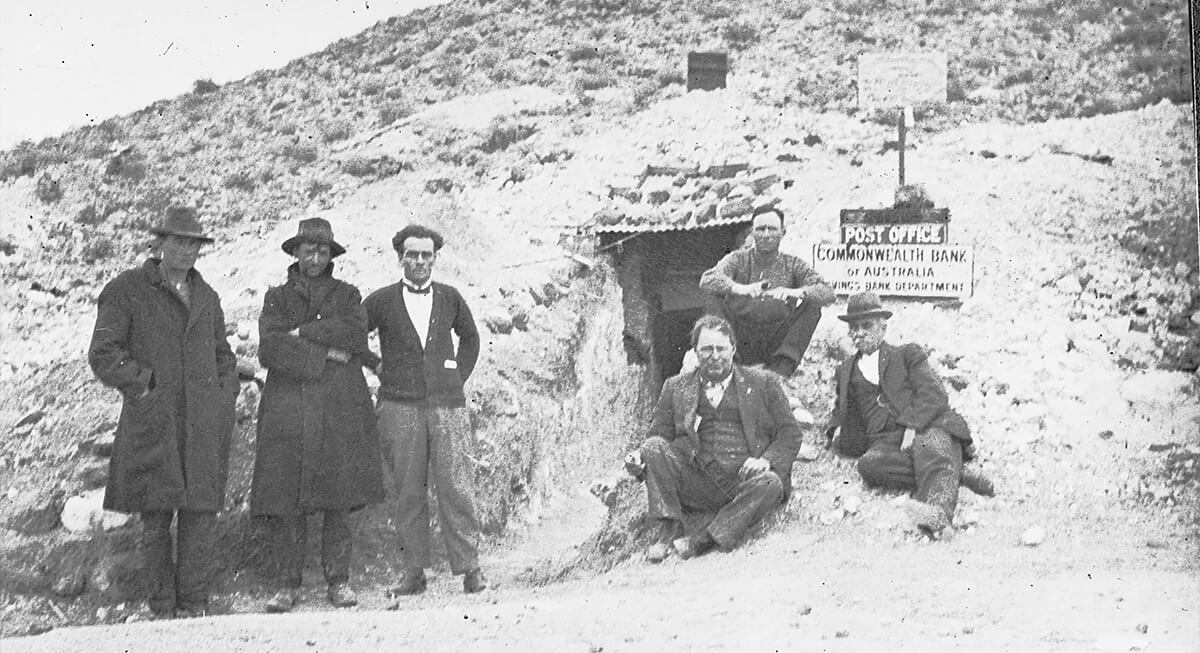
On February 1, 1915, a 14-year-old named Willie Hutchison wandered away from a gold prospecting camp and found an opal on the ground. His father, James Hutchison, had led the trip, which had turned up nothing. That single find changed everything and marked the beginning of opal mining in what would become Coober Pedy.
The Insane Heat
Credit: Wikimedia Commons
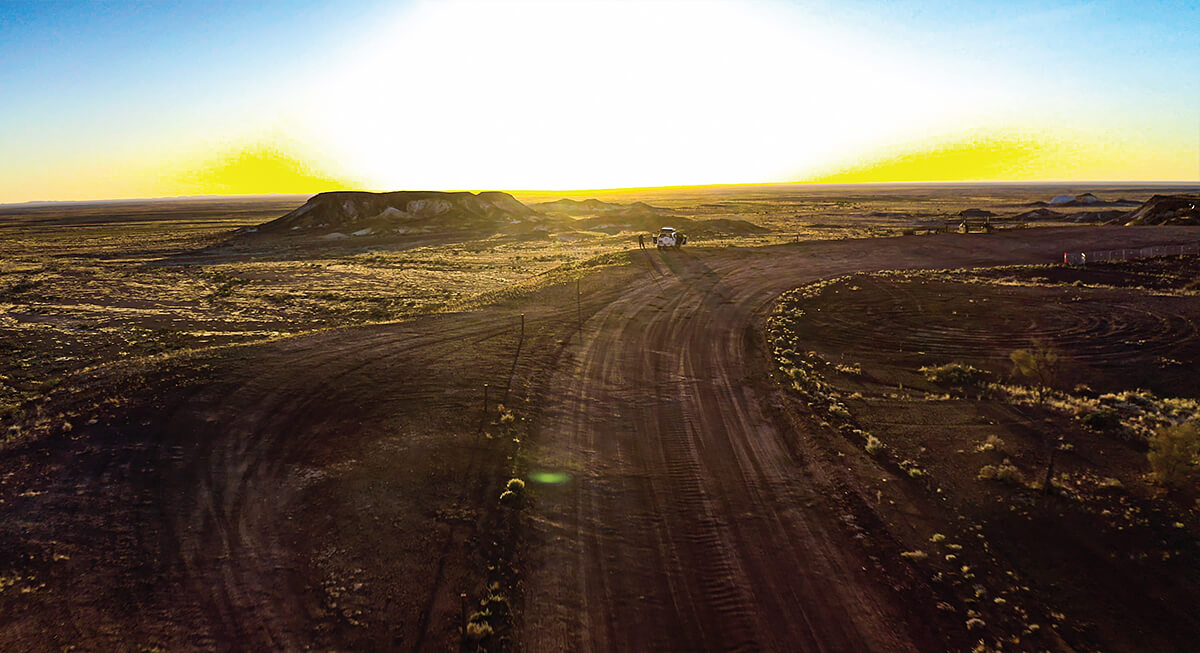
For a place with no rivers and barely any trees, it's not shocking that summer averages are usually in the 90s. Some recorded extremes even hit 118.9°F during heatwaves. The sun hits the desert floor with intense heat that sometimes affects small-bodied bird species. Living above ground in Coober Pedy is hard, and digging underground was a more practical decision than an eccentric one.
The Dugouts Are More Comfortable Than They Sound
Credit: Wikimedia Commons
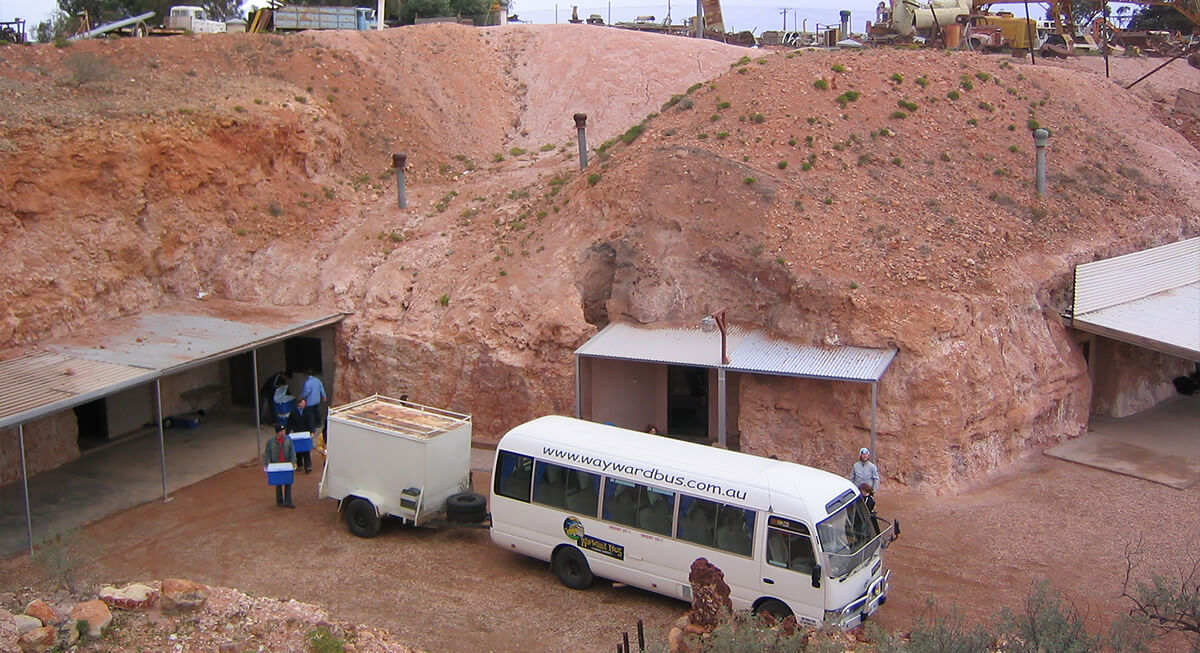
Dugout homes in Coober Pedy maintain a steady temperature of 66 to 77°F year-round, thanks to thick sandstone walls. Winter nights in the outback regularly drop to around 46°F above ground, but the sandstone insulates residents against the cold. Residents have carved bookshelves, archways, and swimming pools directly into the rock, and some families have bought neighboring properties to tunnel through and connect them.
Australia Controls the World's Opal Supply
Credit: Wikimedia Commons
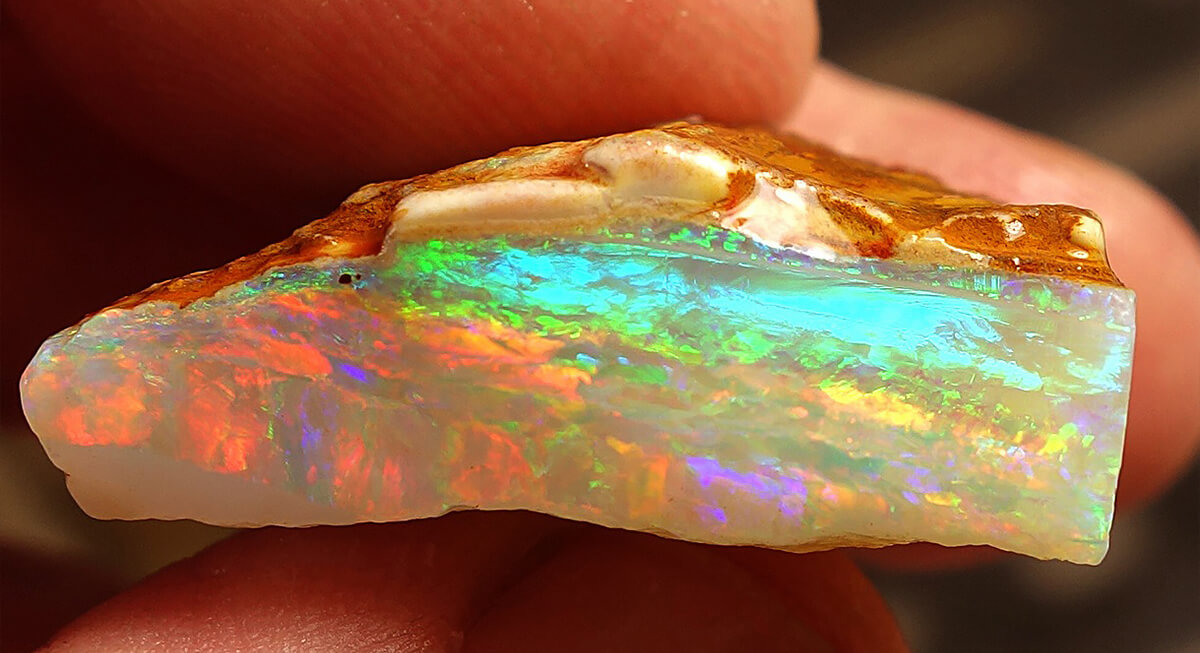
About 95 percent of the world’s precious opals come from Australia. Coober Pedy is one of the main sources of white opal by volume. Higher-value black opals mainly come from Lightning Ridge. In Coober Pedy, most of what gets mined is potch, a low-value, non-precious stone that makes up about 85 percent of the output.
The Name's Unique Meaning
Credit: Wikimedia Commons
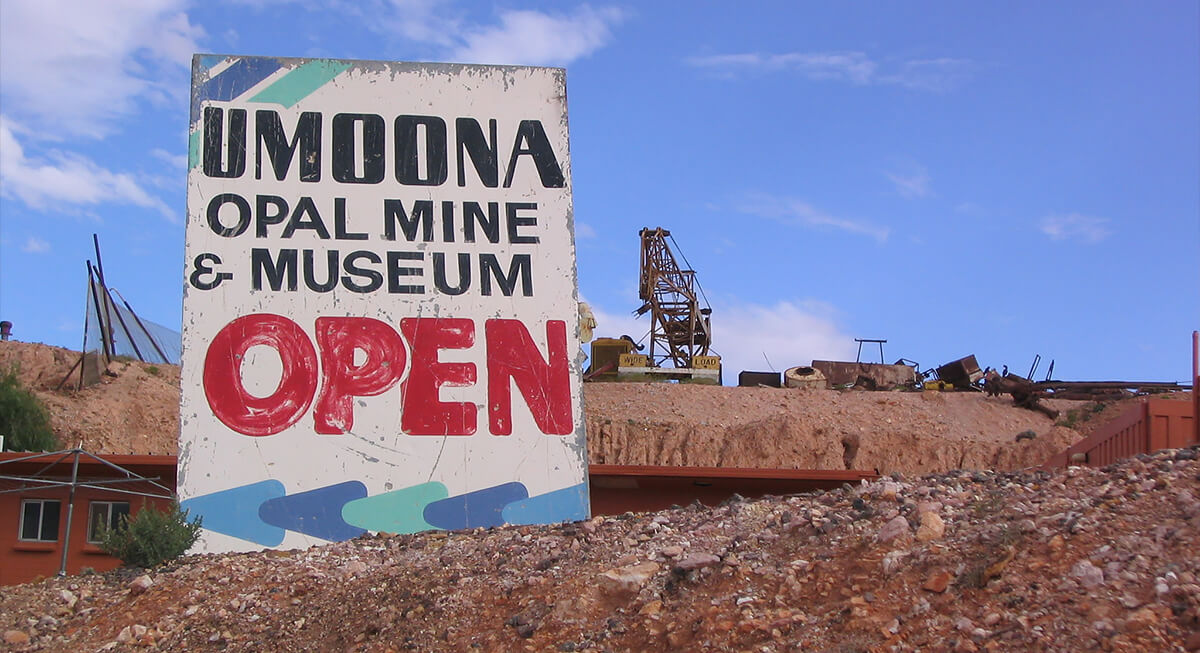
The town's name is derived from the word "Kupa-piti," which translates roughly to "whitefella's hole." That name is interesting, considering there are mining pits that Europeans dug across the land here. Aboriginal people had lived in this region for thousands of years before the discovery of opal here. In 1975, the local Aboriginal community adopted a second official name for the town, Umoona, meaning "long life."
Three Congregations, Zero Sunlight
Credit: Wikimedia Commons
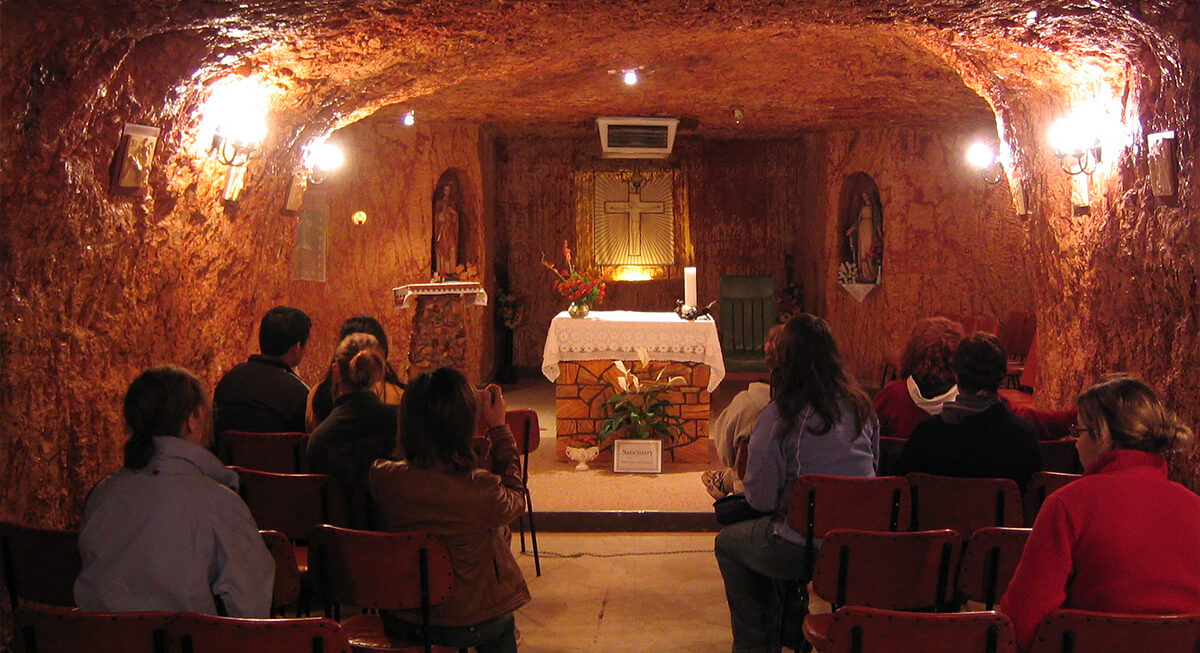
The Serbian Orthodox Church in Coober Pedy was built in 1993 by local volunteers who hand-carved its sandstone walls and fitted them with stained glass. The St. Peter and Paul Catholic Church, the first purpose-built underground Catholic church of its type, opened in the 1960s. The Anglican Catacomb Church followed in the 1970s. Coober Pedy has a population of around 2,000 people, with multiple houses of worship for its small population.
The First Tree Was Welded Together
Credit: Facebook
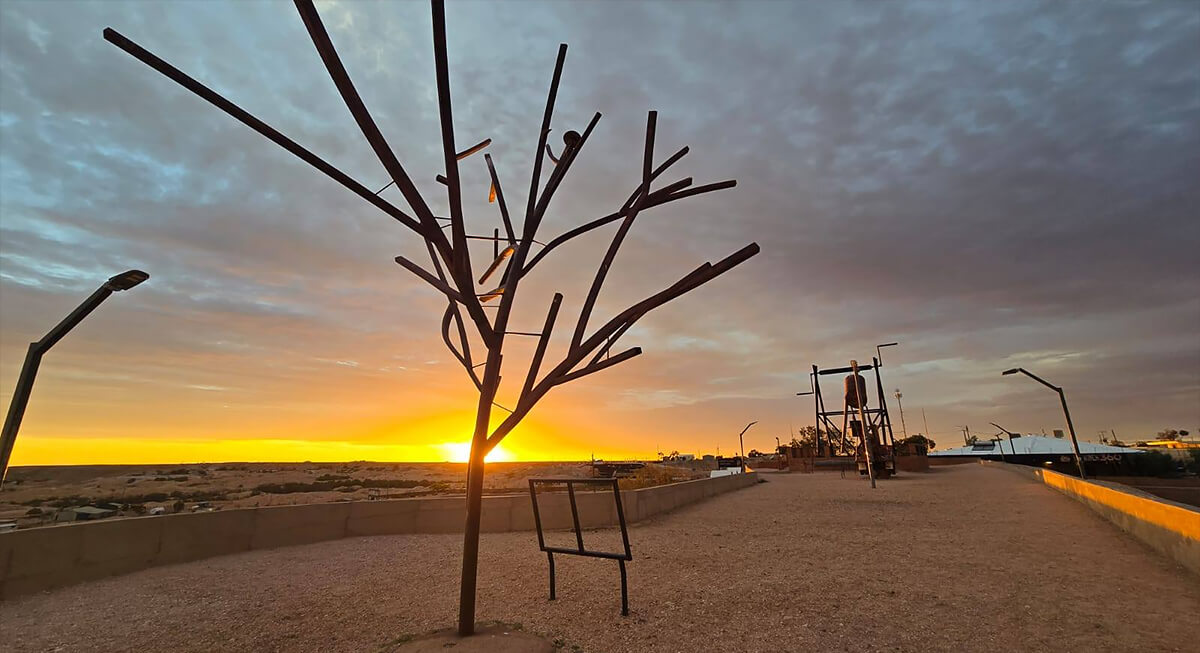
With just 5.68 inches of rain per year, one of the lowest annual averages in Australia, Coober Pedy is not hospitable to plants. Bob Amorosi once created a metal tree for his children and placed it on a hill overlooking the town center. The residents, too, eventually grew some native, drought-tolerant plants in selected community areas.
The Unique Golf Course
Credit: Facebook
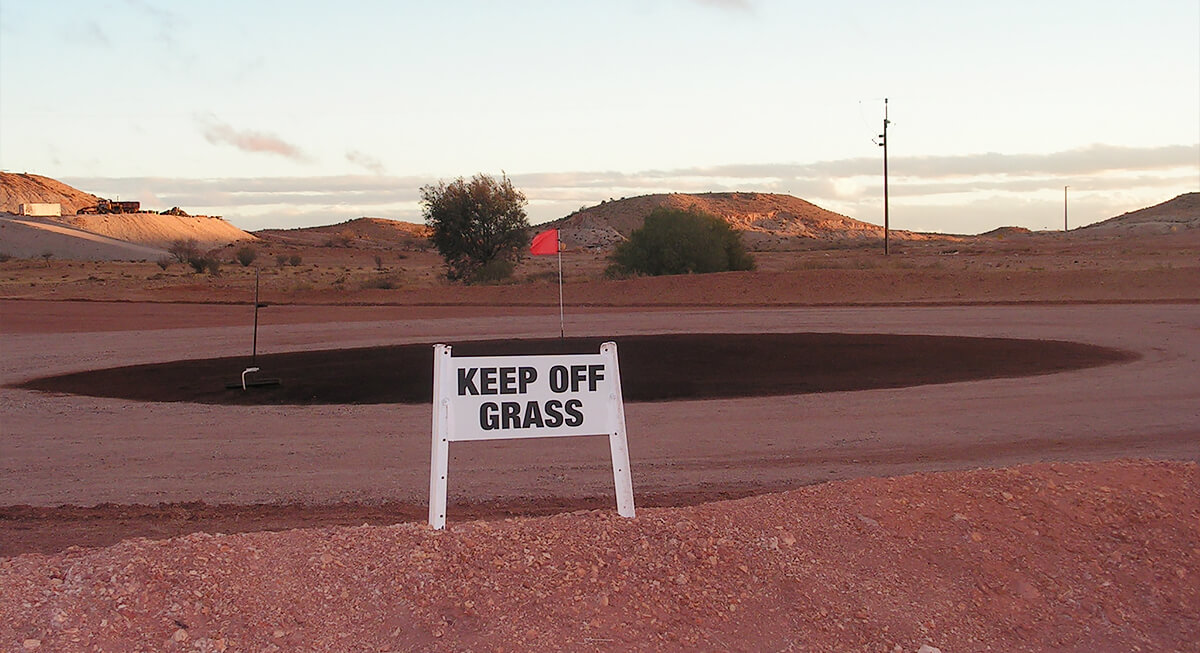
Established in 1976, the Coober Pedy Golf Club features bare desert dirt. There is no grass anywhere on the course. So, the greens, called scrapes, are made from local quarry dust mixed with waste oil. Golfers carry 6-inch squares of artificial turf to place under their ball on the fairway. The club also has a "Rock Relief" local rule that allows players to drop their ball if it lands against rocks too embedded to move.
Hollywood Keeps Coming Back
Credit: IMDb
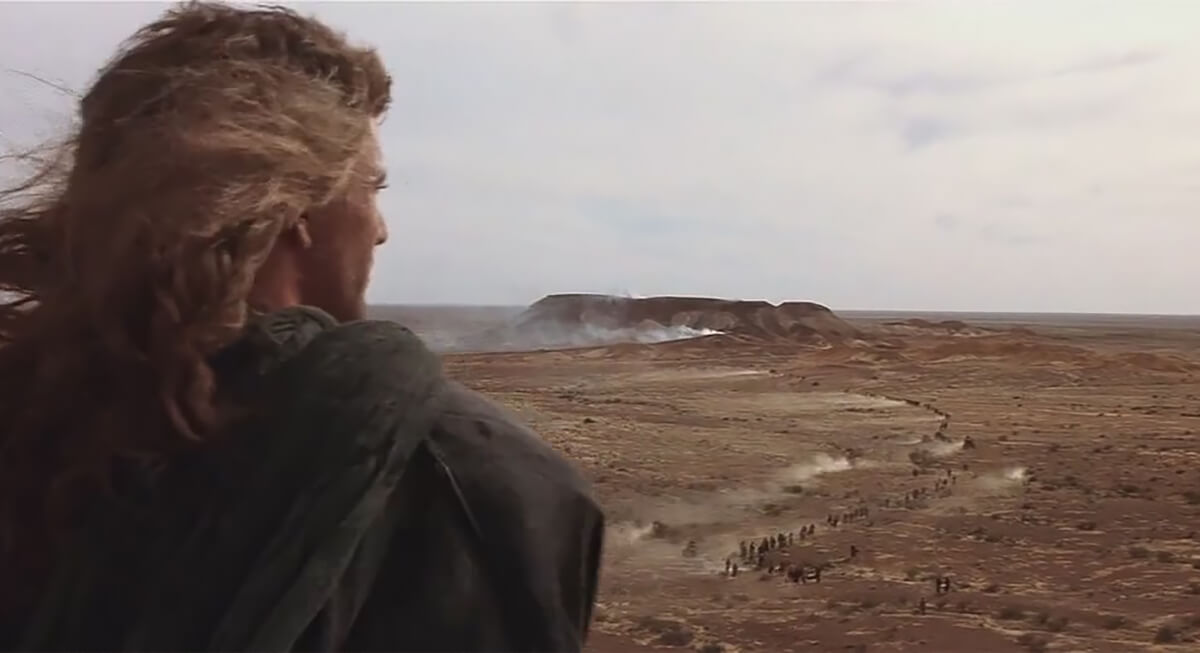
The landscape around Coober Pedy is mostly flat and barren, with craters punched across red dirt as far as the eye can see. This geographical feature has made the town a reliable stand-in for post-apocalyptic fiction. Mad Max Beyond Thunderdome was filmed here in 1985. The Adventures of Priscilla, Queen of the Desert followed in 1994. Years later, Pitch Black was filmed here.
The Mining Never Really Stopped
Credit: Wikimedia Commons
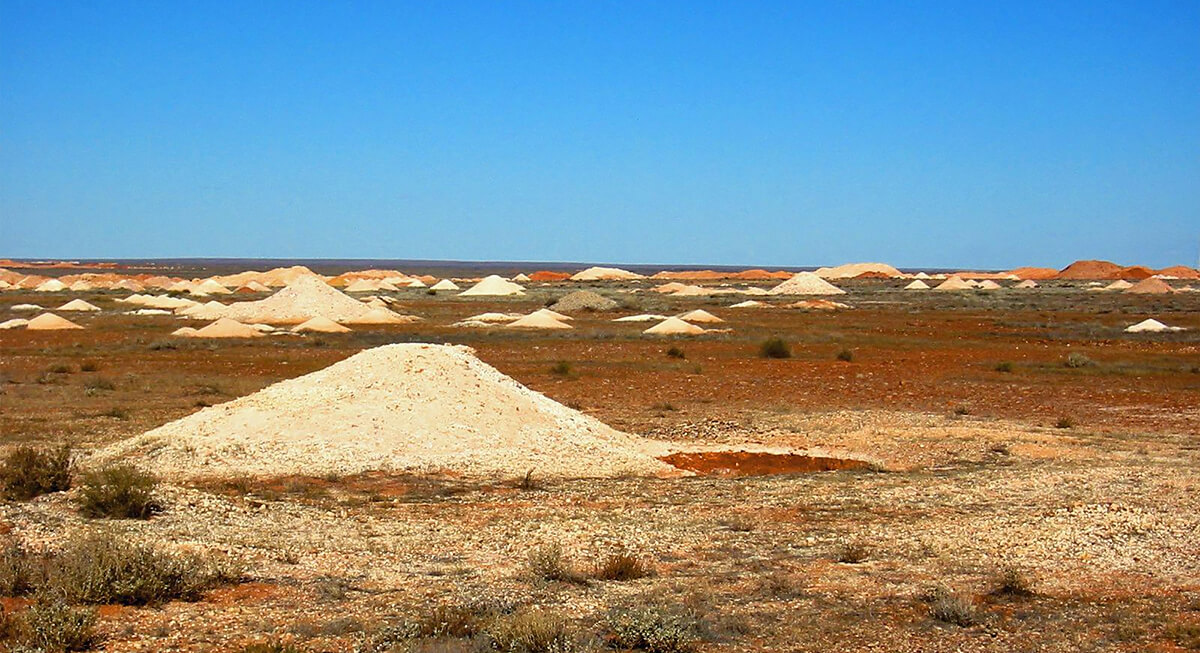
In 1968, one couple, Ron and Jenny Gough, was expanding their dugout when Ron broke through a wall and found an abandoned opal mine on the other side. That mine is now the Old Timers Mine museum and remains open to visitors. Individual prospectors still work active claims across the region today, meaning the rush that began in 1915 has never fully wound down.