
Map publishers have long used deliberate “trap” entries to detect unauthorized copying by inserting fictional place names or streets into their maps. One such entry appeared on mid-20th-century maps and was mistakenly treated as real, which led to confusion about a location that never existed. The error spread and persists, even after it was corrected, continuing to attract attention years later.
A Trap Hidden In Plain Sight
Credit: NPR
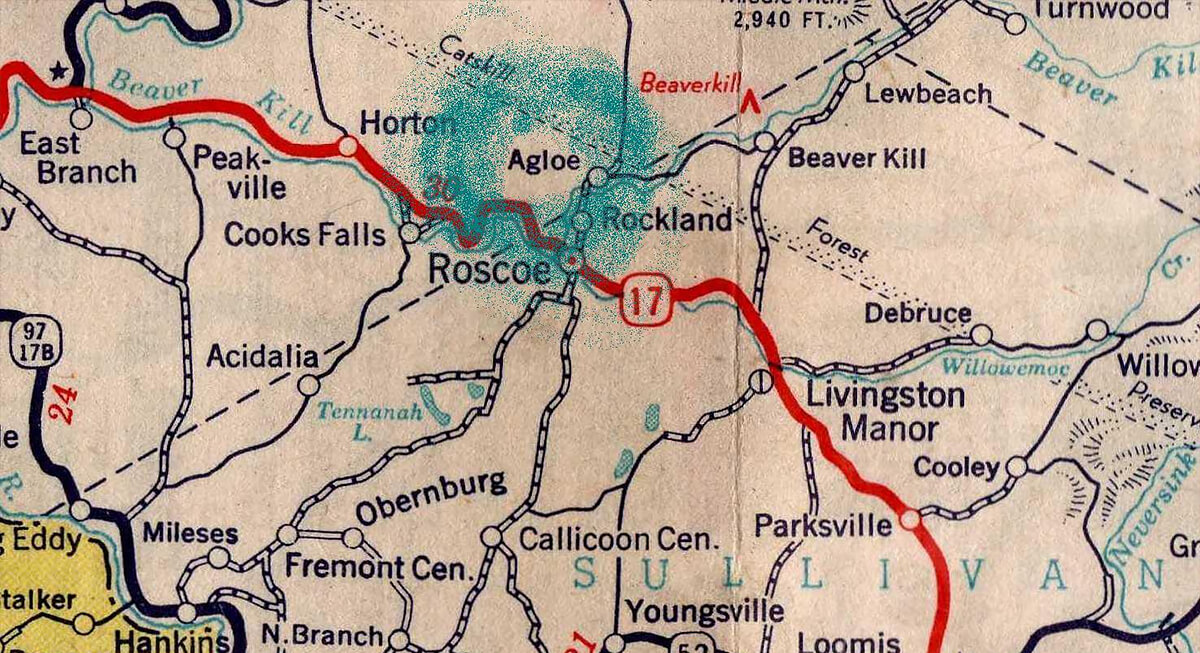
Mapmakers once faced a frustrating problem. Competitors could copy their work and claim it matched reality. To counter that, publishers planted fake entries into their maps. If the same mistake appeared elsewhere, it became evidence of copying. Agloe was one of those inventions, placed carefully so it blended into the surrounding geography.
An Empty Intersection Gets A Name
Credit: Wikipedia
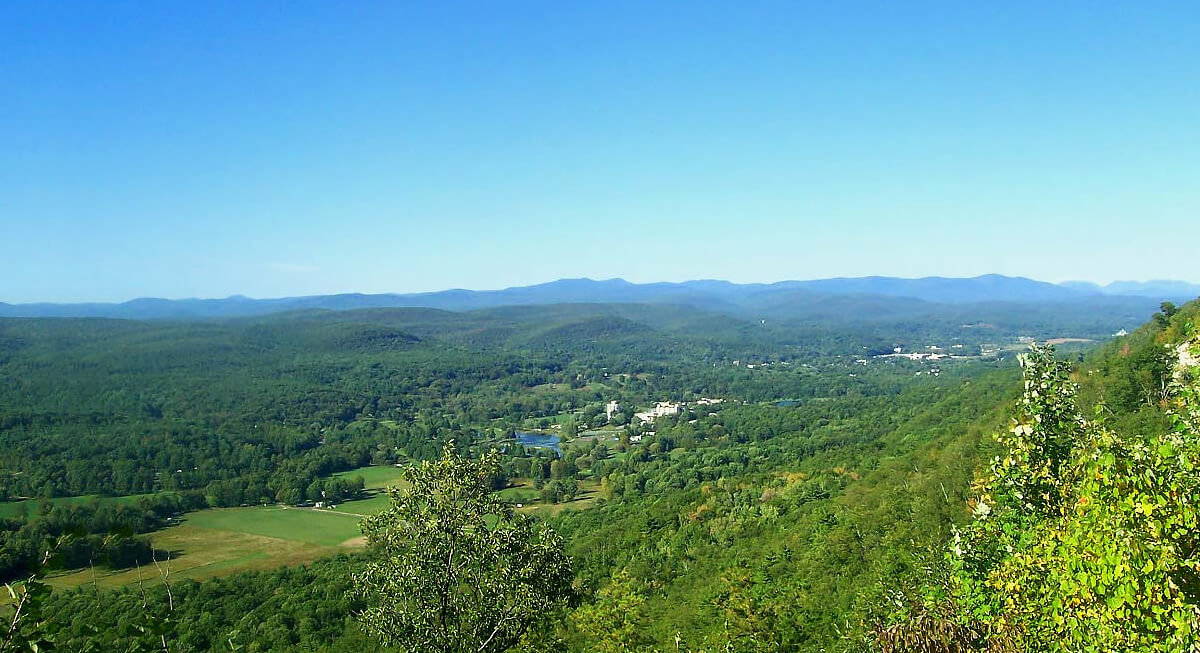
In the 1930s, a rural junction in the Catskill Mountains held little more than dirt roads and trees. That made it ideal for a fictional addition. Otto Lindberg and Ernest Alpers combined their initials to form “Agloe.” The name appeared on a General Drafting Company map and stayed there unnoticed as just another tiny label in a remote part of New York.
A Rival Map Sparks Suspicion
Credit: pexels
Years later, Rand McNally released its own map of New York. There, in the exact same spot, was Agloe. To the original mapmakers, the conclusion seemed obvious. Their hidden marker had done its job. It looked like clear proof of copying. Legal action appeared likely, and the situation seemed straightforward, at least at first glance.
A Defense No One Expected
Credit: pexels
Rand McNally surprisingly pushed back. Their cartographers had relied on official county records rather than a competitor’s map. Those records listed a real place at that location. The name matched Agloe, and that completely shifted the argument. The supposed trap no longer looked like exclusive evidence.
A Store That Changed Everything
Credit: Canva
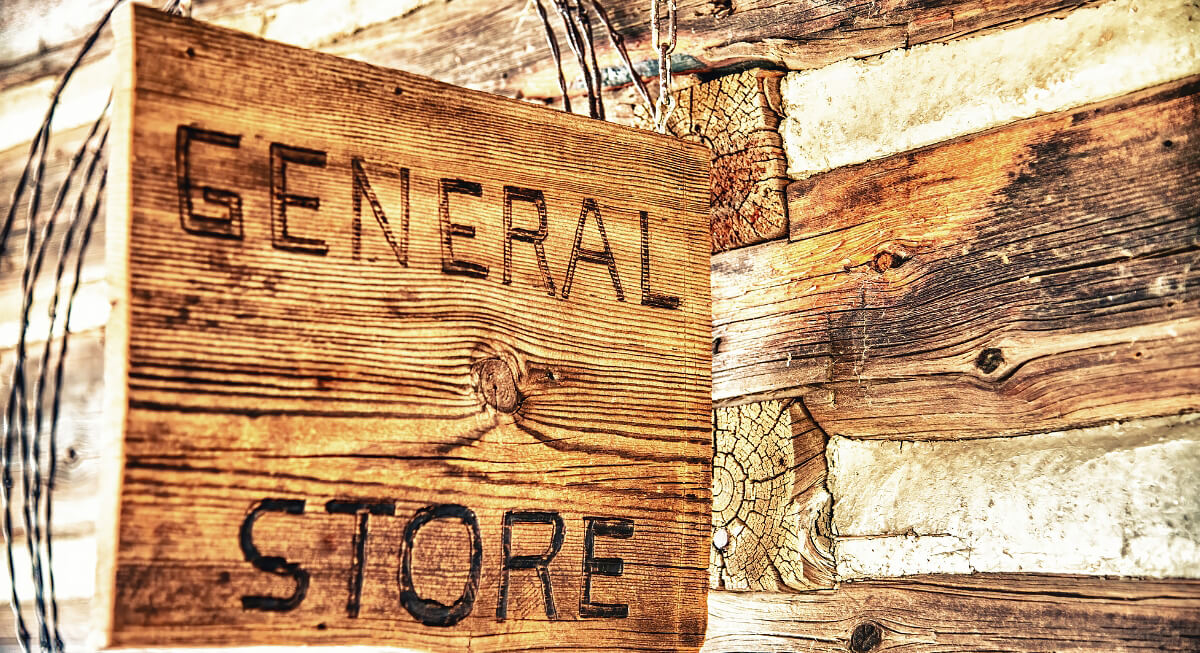
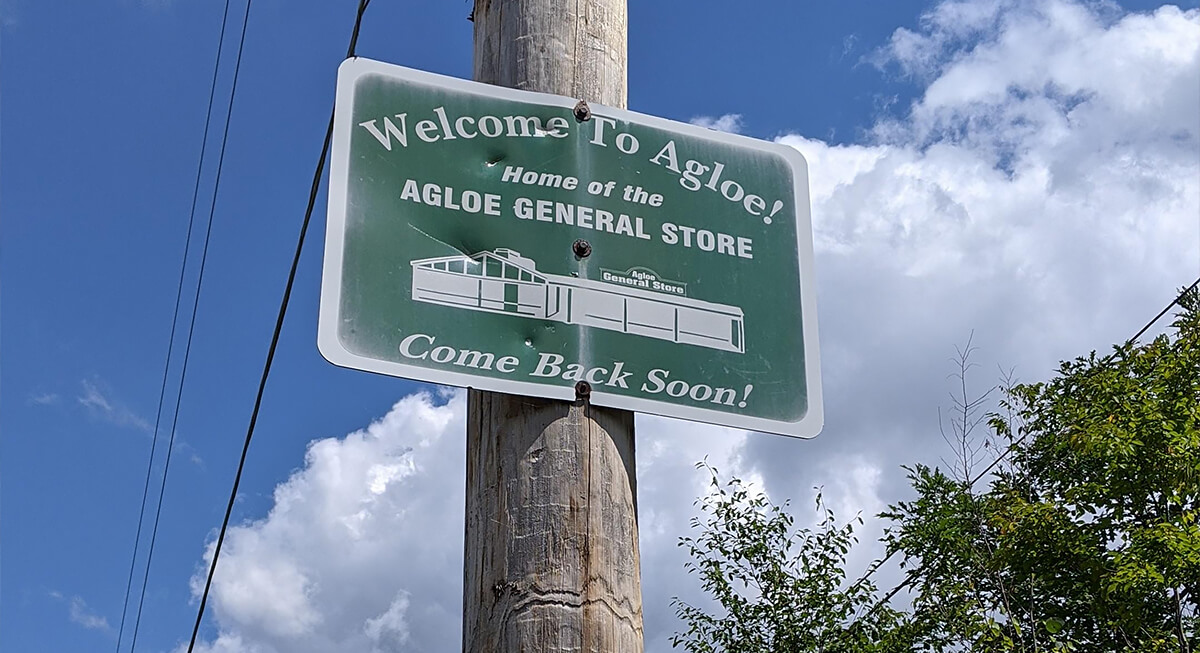
The confusion centered on a small business at a rural intersection. A general store was built there, and its owners had seen the name “Agloe” on a map and decided to use it. Once the store officially registered that name, it gave the fictional label real-world recognition.
Reality Catches Up To Fiction
Credit: Reddit
With a registered business and a recognized name, Agloe crossed into reality. Maps that included it were technically correct. The original purpose of the trap disappeared overnight as it reflected a real-world location.
A Brief Moment As A Real Place
Credit: exploringupstate
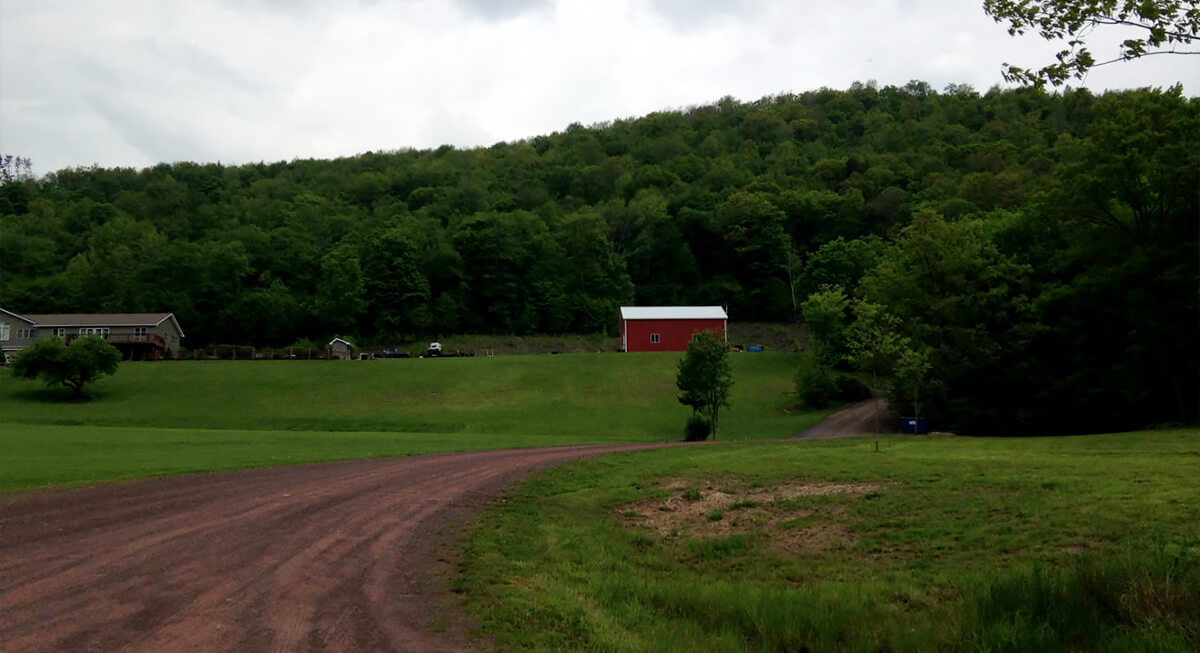
The area never developed into a bustling town, and only a few structures appeared near the store. For a short time, Agloe existed in practice. Travelers could stop there, and records acknowledged its name.
The Disappearance Begins
Credit: Canva
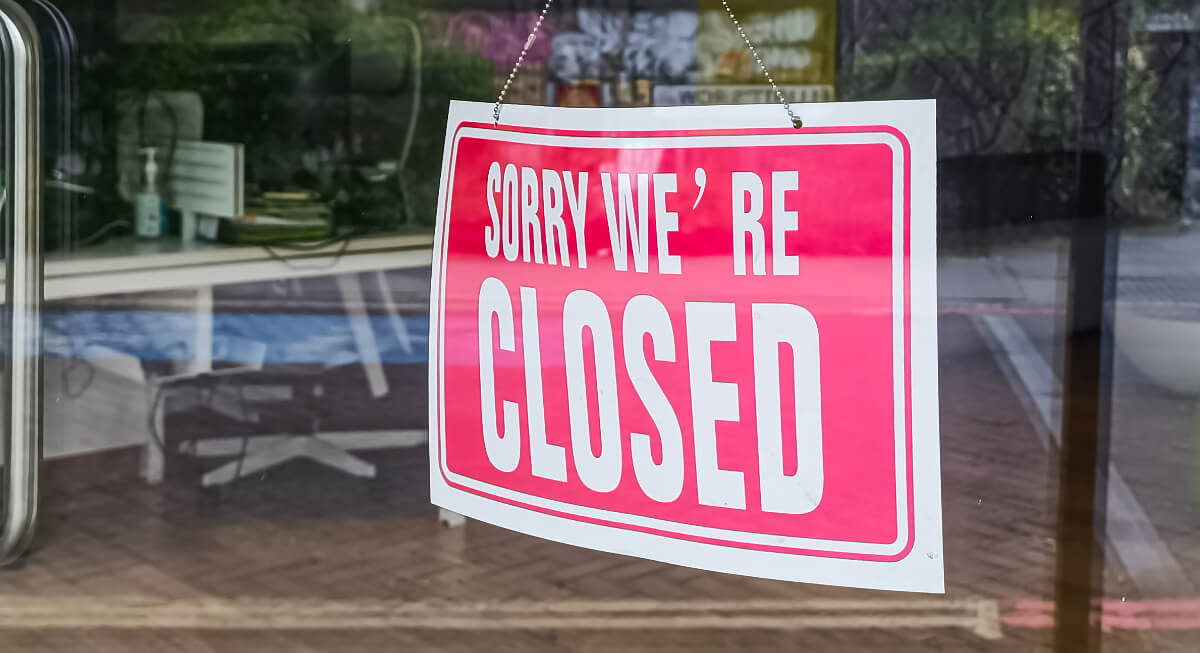
The general store eventually closed, and activity in the area faded. Without a business or steady population, the identity of Agloe began to slip away. Maps continued to carry the name for a while, but its physical presence had already diminished. The place returned to something close to what it had been before the name appeared.
A Digital Afterlife
Credit: pexels
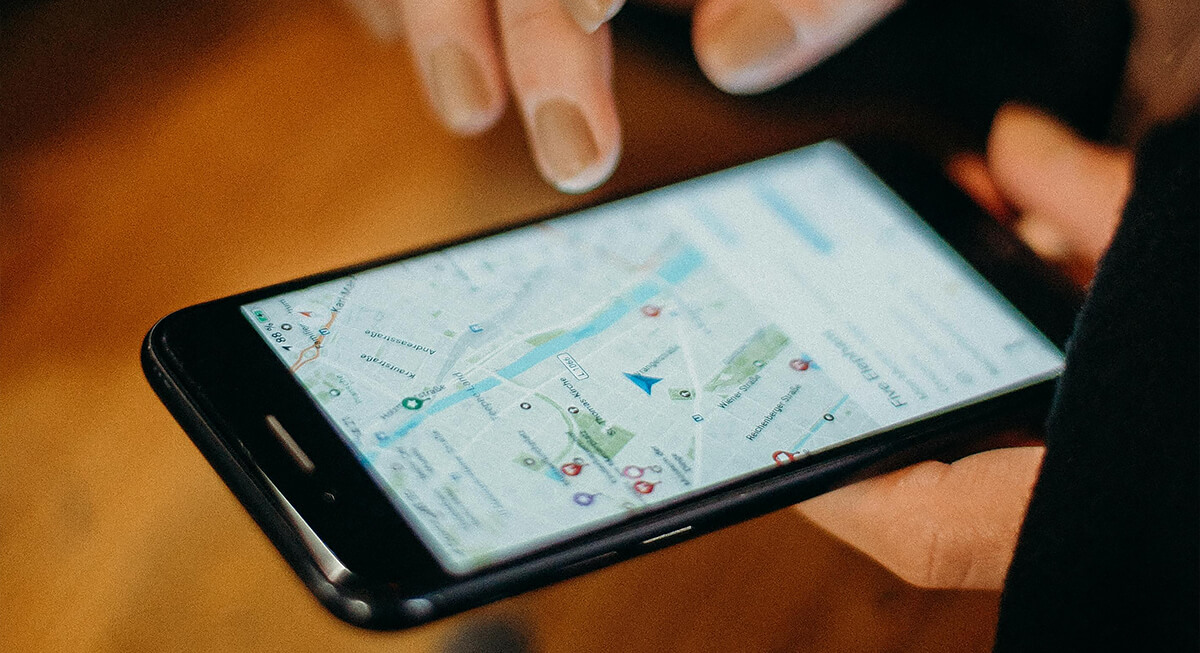
Long after the store disappeared, Agloe reappeared in digital mapping systems. Users could search for it and find a marker in the same quiet spot. The reappearance surprised people who knew the story.
Why People Still Look For It
Credit: Reddit
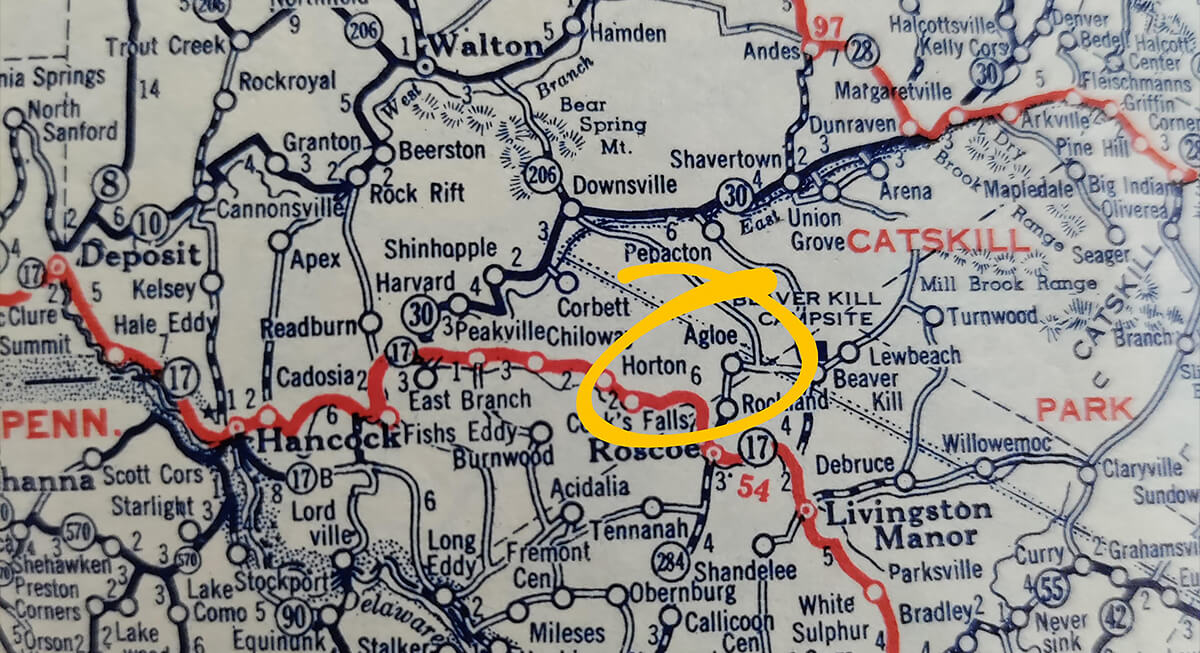
The story continues to attract attention because it blurs the line between fact and invention. Visitors still travel to the area, curious about a place that both existed and didn’t. A name on a map led to a real sign, then faded again, and left behind a story that refuses to disappear.