
Islands cover roughly 5% of Earth’s land surface but account for a staggering share of its ecological diversity as well as some of its most unusual human stories. Their isolated nature has shaped everything from rare species found nowhere else to abandoned industrial towns and newly formed land rising from the sea. Since they’re cut off by water, these places often evolve in ways the mainland never could. The following islands show how distance can produce outcomes that few would ever expect.
North Sentinel Island
Credit: Wikimedia Commons
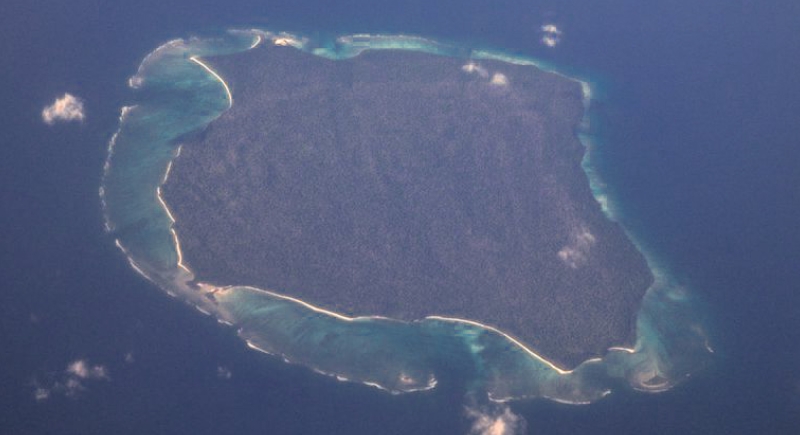
In the Bay of Bengal, North Sentinel Island remains one of the last inhabited places without sustained outside contact. The Sentinelese have rejected visitors for centuries and have defended their isolation with force. India enforces a strict exclusion zone to prevent disease transmission and cultural disruption.
Socotra Island
Credit: Wikimedia Commons
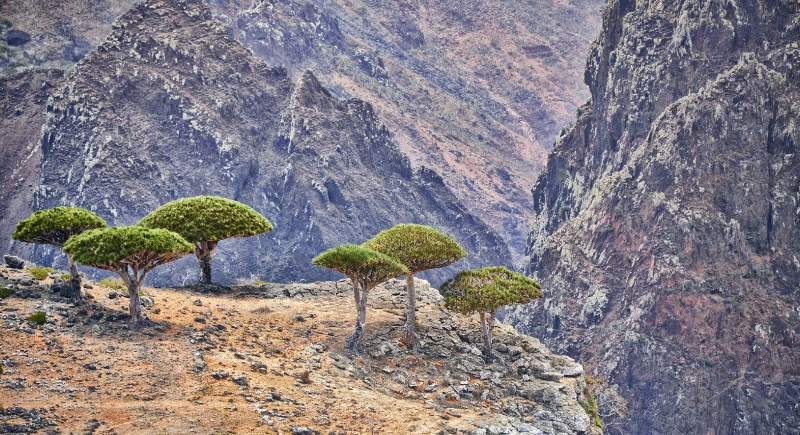
If you’re interested in unusual plant species, Socotra will not disappoint you. Roughly 37% of its 825 plant species grow nowhere else on Earth. The Dragon’s Blood Tree here is known for its umbrella shape and red resin, once used for dye and medicine. It has also been a UNESCO-designated World Heritage Site since 2008.
Ilha da Queimada Grande
Credit: Wikimedia Commons
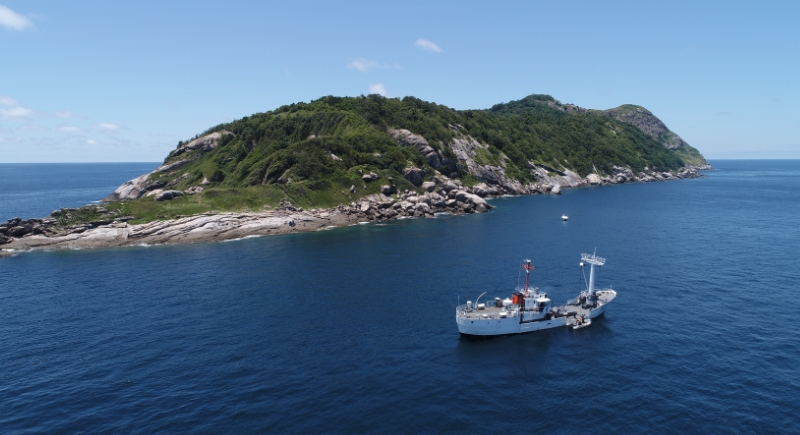
Ilha da Queimada Grande, located 33 kilometres off Brazil’s coast, is defined by its snake population. Rising seas isolated the landmass and trapped golden lancehead vipers there. With no large predators and limited food sources, the species adapted to hunt migratory birds. Scientists estimate that 2,000 to 4,000 snakes inhabit the site.
El Ojo
Credit: Wikimedia Commons
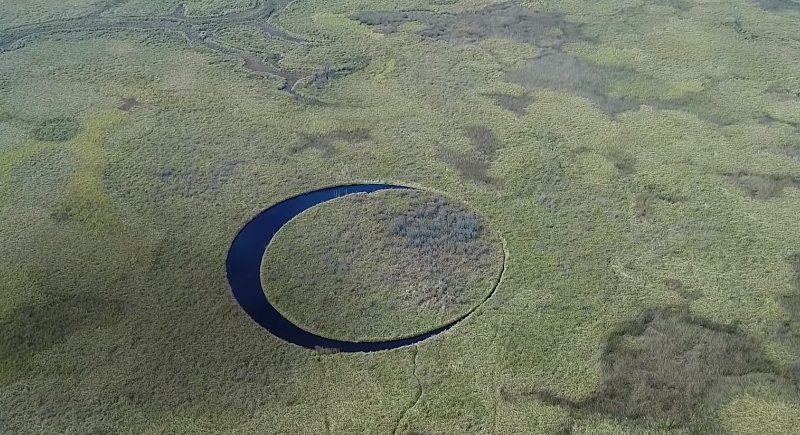
Filmmaker Sergio Neuspiller first noticed the unusual formation of El Ojo in 2016 while scouting locations in Argentina’s Paraná Delta. What he saw was a nearly perfect circular landmass, surrounded by a narrow ring of clear, cold water. Observers later confirmed that the territory rotates slowly due to water currents and erosion patterns, similar to rotating ice disks found in rivers.
Hunga Tonga–Hunga Ha’apai
Credit: Wikimedia Commons
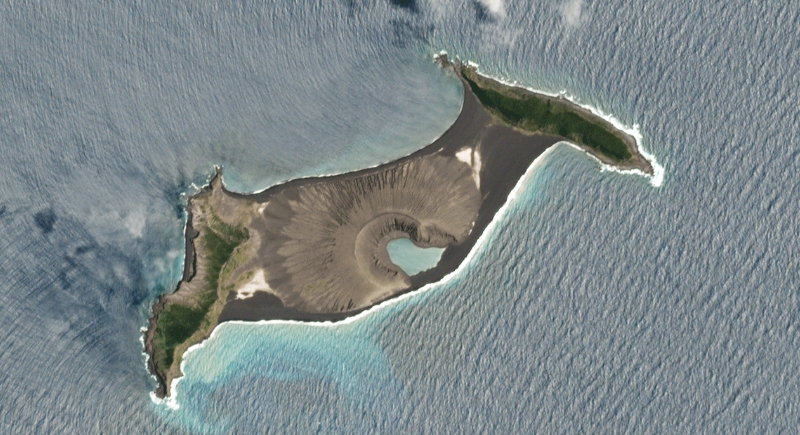
An underwater volcanic eruption in late 2014 forced new land above the South Pacific. The blast connected two existing sites and created Hunga Tonga–Hunga Ha’apai. Many researchers expected waves and erosion to erase it soon. Instead, the island persisted for several years and allowed scientists to observe early plant growth and bird colonization.
Hashima Island
Credit: Wikimedia Commons
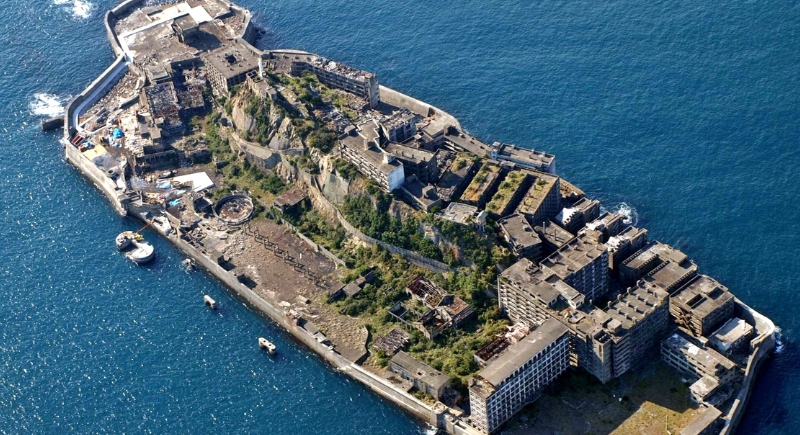
Mitsubishi transformed Hashima Island into a dense mining hub after acquiring it in 1887. It was home to more than 5,000 residents packed onto just 16 acres. By the 1950s, concrete apartment blocks, schools, and hospitals covered nearly every available space. When the coal industry collapsed, Hashima Island became completely uninhabited.
Vozrozhdeniya Island
Credit: Wikimedia Commons
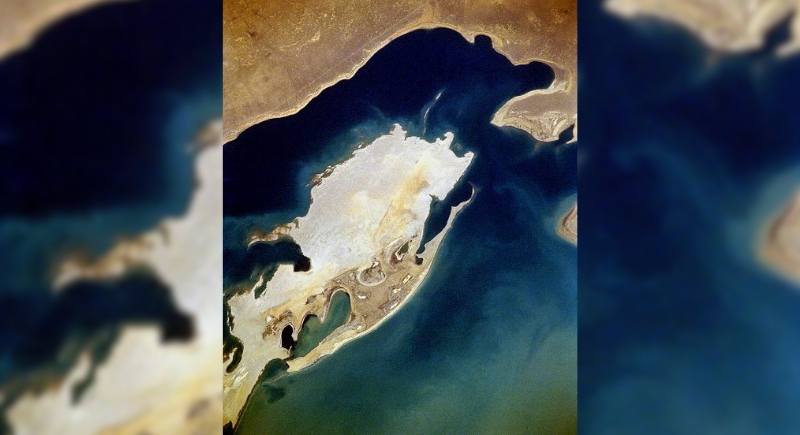
During the Cold War, the Soviet Union selected a remote location in the Aral Sea for biological weapons testing. The Aralsk-7 facility studied pathogens, including anthrax and smallpox. Large-scale river diversion projects later shrank the Aral Sea and connected Vozrozhdeniya to the mainland. The change raised concern about residual contamination spreading beyond the former shoreline. Decontamination efforts began in the early 2000s.
Bannerman Island
Credit: Wikimedia Commons
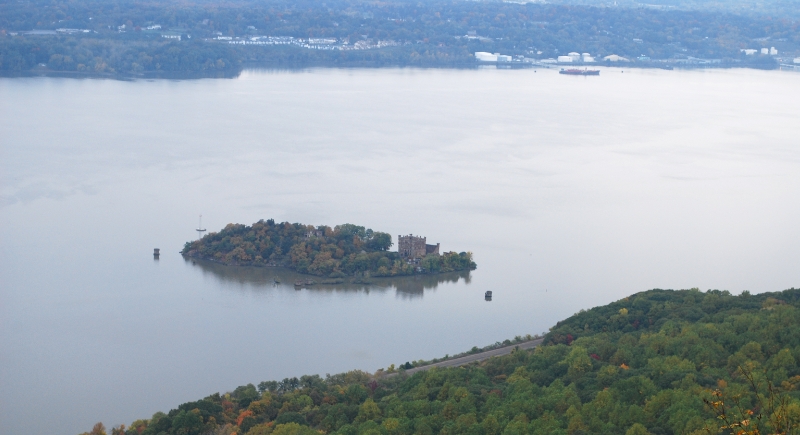
In the Hudson River, about 50 miles north of New York City, Bannerman Island carries the ruins of an arsenal built to resemble a Scottish castle. Francis Bannerman VI purchased the area in 1900 to store surplus military equipment. An explosion in 1920 damaged part of the complex, and operations eventually ceased.
Île Sans Nom
Credit: Wikimedia Commons
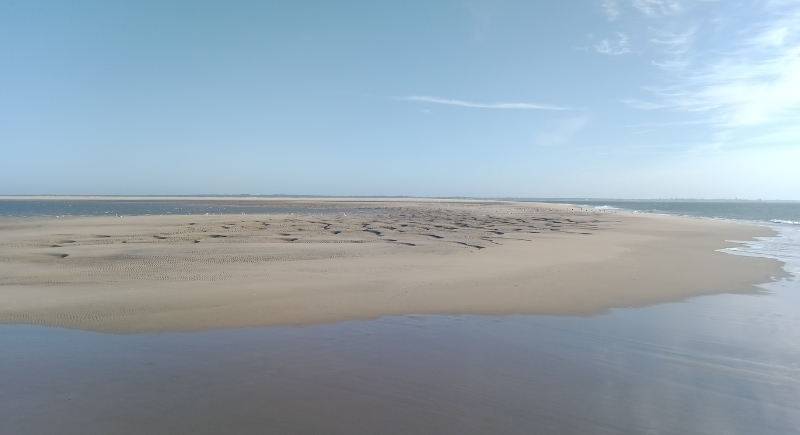
People who approach Île Sans Nom encounter clear restrictions designed to protect it. Authorities enforce these measures because the settlement’s ecosystem is fragile and constantly changing. It formed around 2009 in France’s Gironde estuary, where steady sediment accumulation, shaped in part by storm activity, gradually created land measuring about 11 acres above high tide.
Loktak Lake Floating Islands
Credit: Getty Images
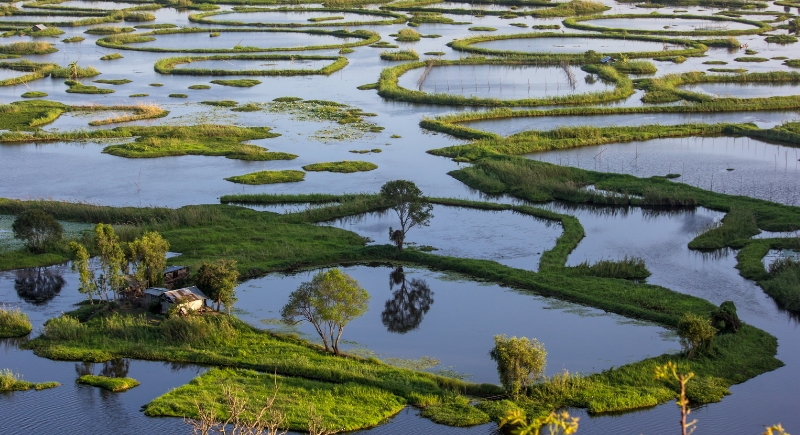
On Loktak Lake in India, islands exist that are not fixed to the ground. Known as phumdis, these masses consist of vegetation, roots, and soil compressed over time. They float and move across the water’s surface. Some even support homes, fishing activities, and small-scale farming.