
Your passport determines how easily you can cross borders for work, education, healthcare, or safety. According to the 2026 Passport Index Global Passport Power Rank, the world’s weakest passports are those with the lowest Total Mobility Scores, meaning they grant access to the fewest destinations through visa-free, visa-on-arrival, or eVisa entry.
These rankings highlight a persistent global mobility gap, where nationality alone can sharply limit freedom of movement and access to global opportunities.
Afghanistan
Credit: iStockphoto
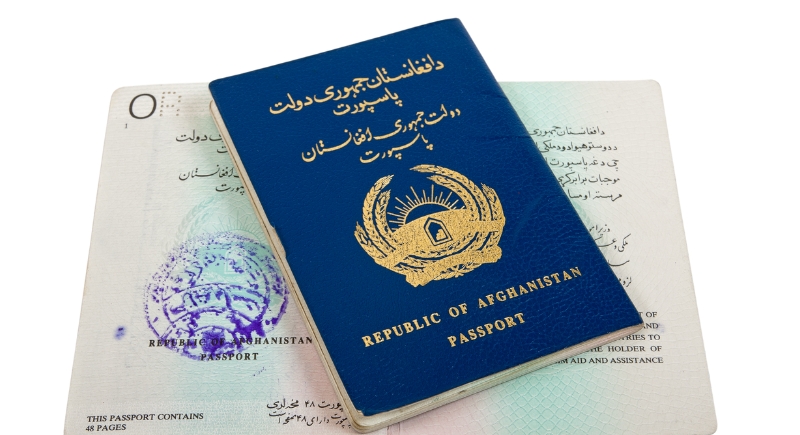
Afghanistan holds the lowest Passport Index Score at 36. Passport holders can only access four countries visa-free. Ongoing instability, terrorism concerns, and poor diplomatic ties contribute to near-total travel restrictions. Most countries require prior visa approval, with many enforcing especially strict vetting or outright denial of entry.
Syria
Credit: Reddit
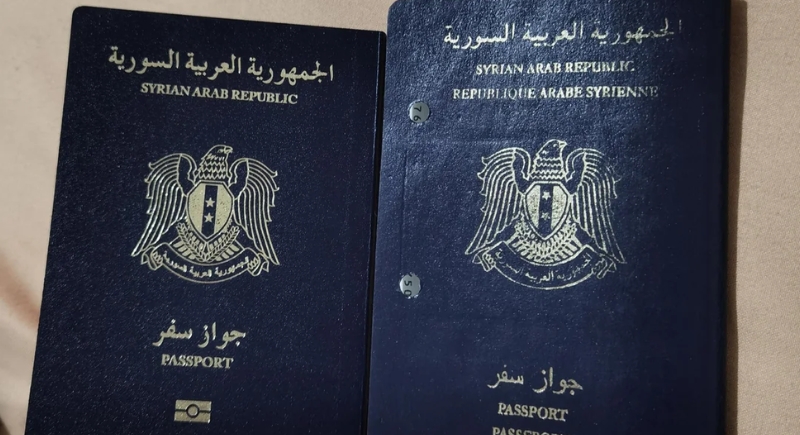
The country’s civil war and severe economic sanctions have collapsed much of its diplomatic framework. With a Passport Index Score of 37, its passport offers nearly no visa-free travel, and many countries require additional screening or deny entry altogether.
Iraq
Credit: Wikimedia Commons
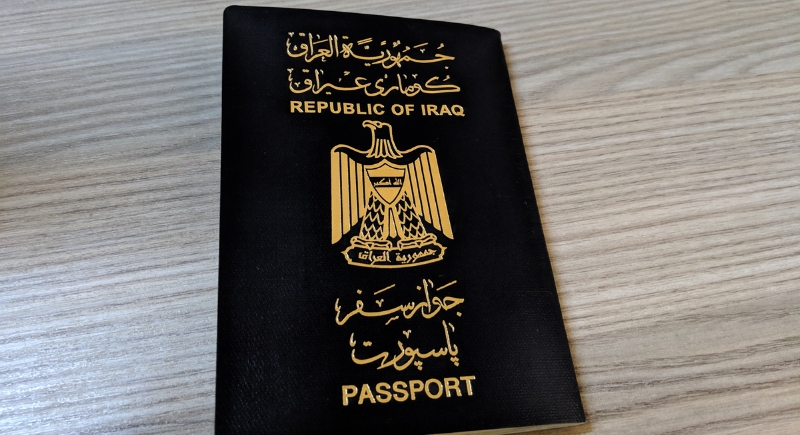
Iraq’s passport comes with a score of 41 and decades of geopolitical baggage. Although neighboring countries sometimes permit easier access, global visa approval remains a slow, high-scrutiny process. Many embassies require detailed background checks, financial proof, or invitation letters before issuing a visa to Iraqi citizens.
Somalia
Credit: Reddit
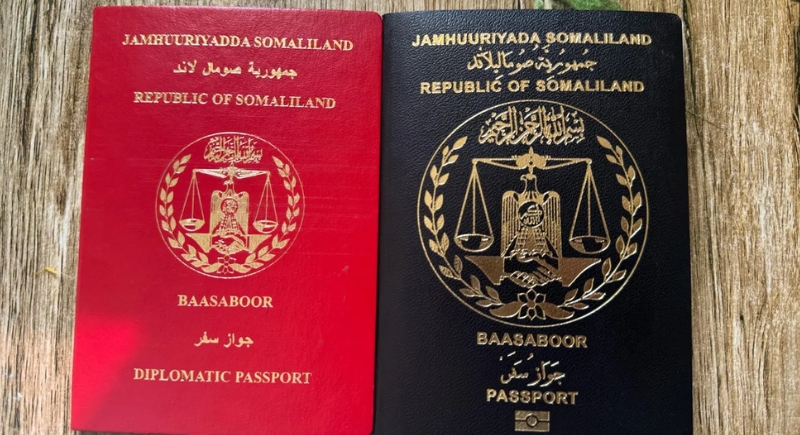
Somalia’s passport ranks near the bottom globally, with a mobility score of 43 in the 2026 Passport Index. Somali citizens have very limited visa-free or visa-on-arrival access and must obtain visas in advance for most destinations. While Somalia is an internationally recognized state, some countries impose additional document checks or do not routinely accept ordinary Somali passports for visa issuance, which further restricts travel compared with most other nationalities.
Pakistan
Credit: Instagram
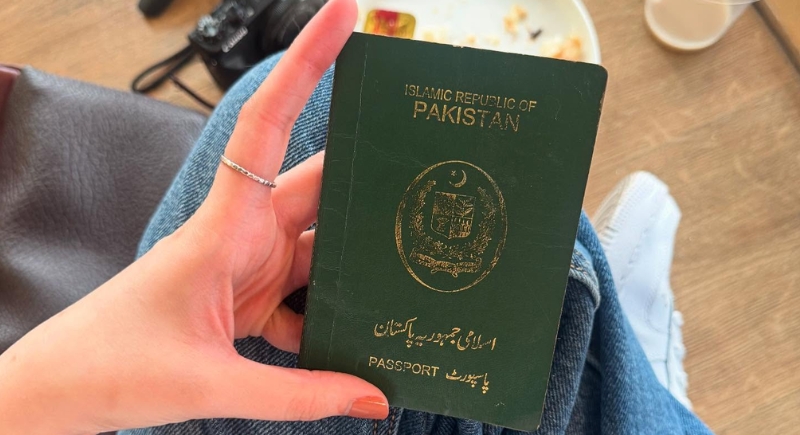
With a score of 43, Pakistan’s passport faces barriers largely tied to security concerns and limited bilateral visa agreements. Entry into the Schengen Area, the US, and the UK typically requires a full visa application and a consular interview. Regional travel is easier, but global access remains constrained.
Yemen
Credit: Instagram
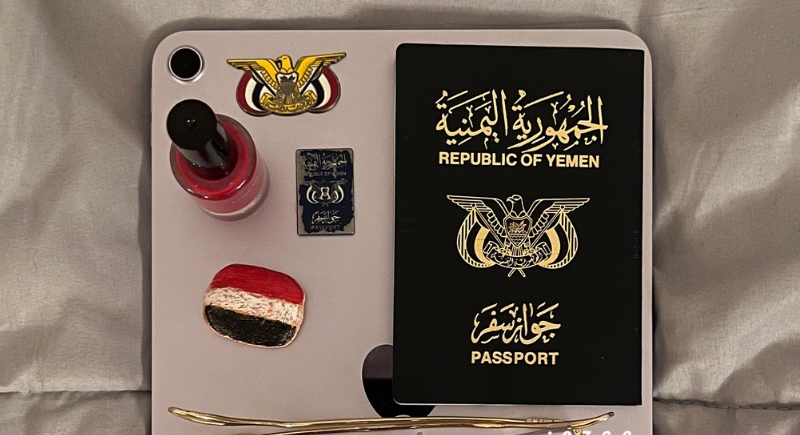
Yemen scores 44, but the number barely captures the full picture. Its civil war and humanitarian collapse have hollowed out diplomatic resources. Entry restrictions are widespread, particularly in the Middle East and Europe. Travel can involve both denied applications and slow approvals that depend on case-by-case security assessments.
Palestinian Territory
Credit: iStockphoto
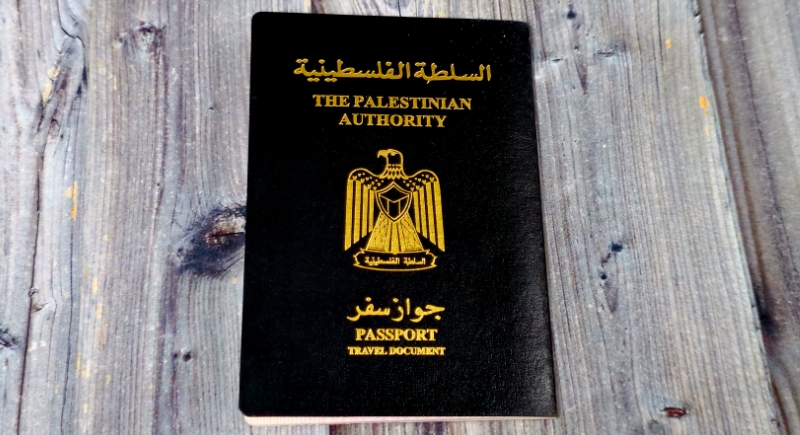
The Palestinian passport scores 47 and is limited by both legal and geographic constraints. Israel controls most exit and entry points, complicating international travel. Diplomatic recognition varies globally, which affects visa rules and consular support. Mobility often depends on temporary permits or third-country documents.
Bangladesh
Credit: iStockphoto
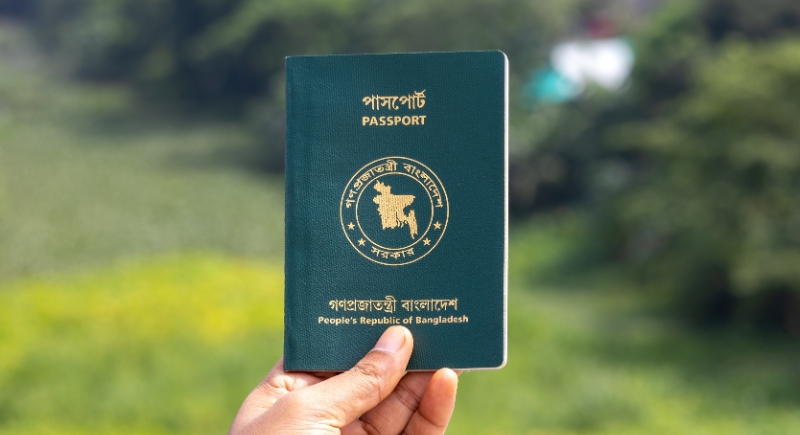
Bangladesh earns a mobility score of 47, with modest access to a few Asian countries visa-free. Applying to Western countries often involves proving economic stability or deep personal ties back home. Visa rejections over suspected overstay risk or migration intent remain common, especially among young, solo travelers.
North Korea
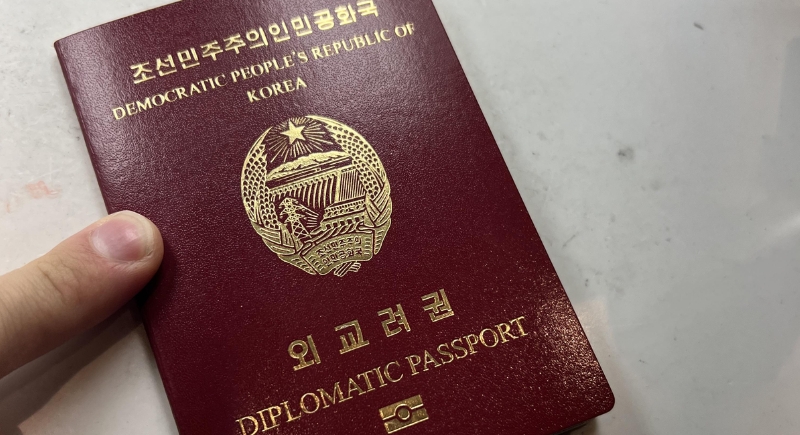
Credit: Reddit
Though the score is 48, North Korea’s passport is more symbolic than functional. Only a few select citizens are allowed to leave, and then only under close government supervision. Internationally, sanctions and diplomatic isolation mean that passports are rarely accepted without strict restrictions in many countries.
Eritrea
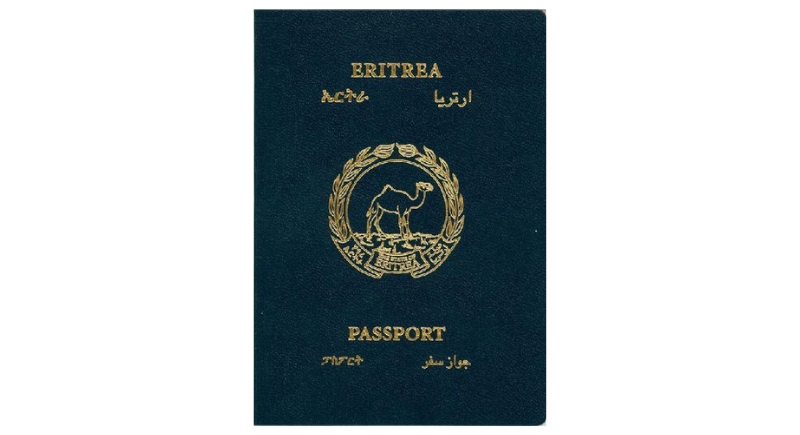
Credit: Wikimedia Commons
Scoring 49, Eritrea’s passport remains hard to use even when issued. Citizens must first get state permission to leave the country. Those who do often face long waits for visas, due to a sparse diplomatic network and tight scrutiny from host countries wary of asylum requests or overstays.