
Airplanes soaring through the sky with barely a soul on board sound like a mix-up at the gate. But these so-called "ghost flights" happen more than you'd think, and often on purpose. Airlines sometimes keep planes in the air even without passengers just to hold onto airport slots or reposition aircraft. It’s a strange mix of policy, profit, and practical planning, all playing out at 30,000 feet.
The TikTok Flight That Made Everyone Curious
Credit: Getty Images
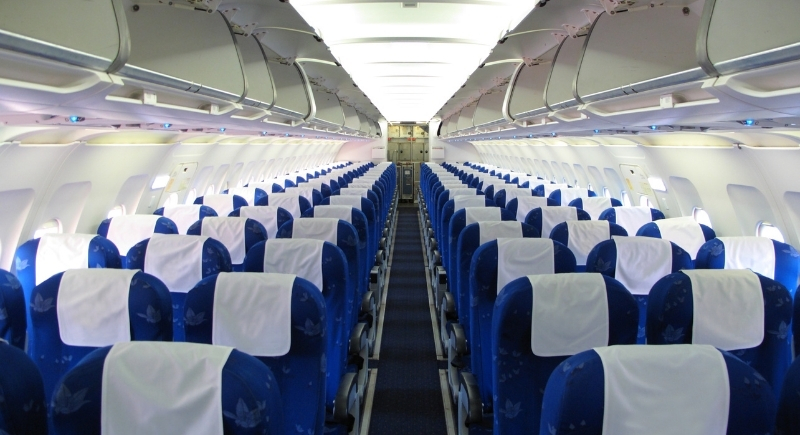
British traveler Kai Forsyth boarded a transatlantic flight and realized he was the only passenger. His video showed endless empty rows and a very attentive crew. The flight still operated because canceling it would have caused knock-on scheduling issues. For viewers, it felt surreal. For the airline, it was business continuity.
Lufthansa’s Winter of Quiet Cabins
Credit: Wikimedia Commons
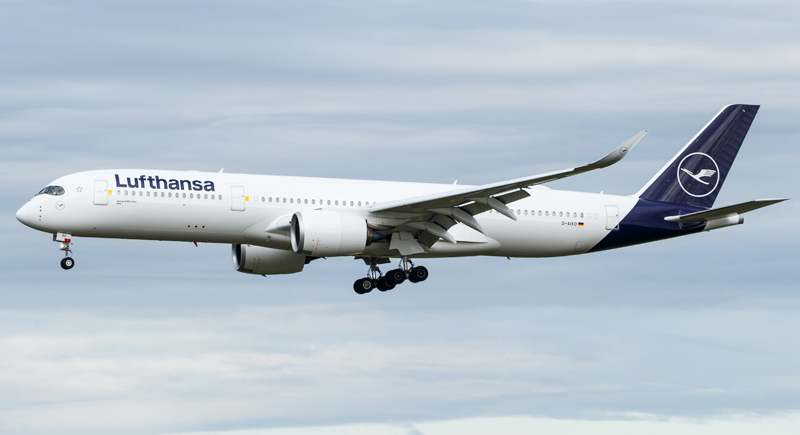
During the winter of 2021, Lufthansa confirmed that thousands of flights carried almost no passengers. Travel demand had collapsed, but aircraft and crews were already assigned. Flying those routes kept operations predictable and aircraft active. Parking planes for months can create maintenance headaches that cost more than flying them lightly filled.
Frankfurt’s Full Schedule, Empty Seats
Credit: Wikimedia Commons
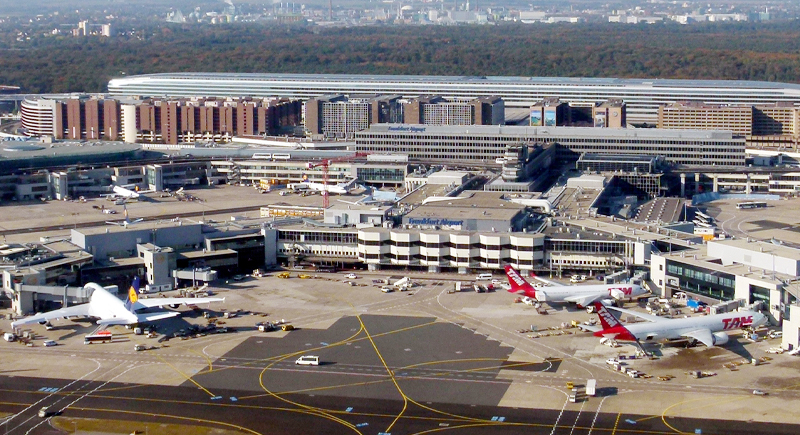
At Frankfurt Airport, planes kept arriving and departing even as terminals stayed quiet. On paper, traffic levels looked healthy. Inside the cabins, many flights were hollow. Airports rely on steady traffic to function smoothly, so maintaining flight schedules helped prevent congestion as travel slowly returned.
When Regulations Lag Behind Reality
Credit: Canva
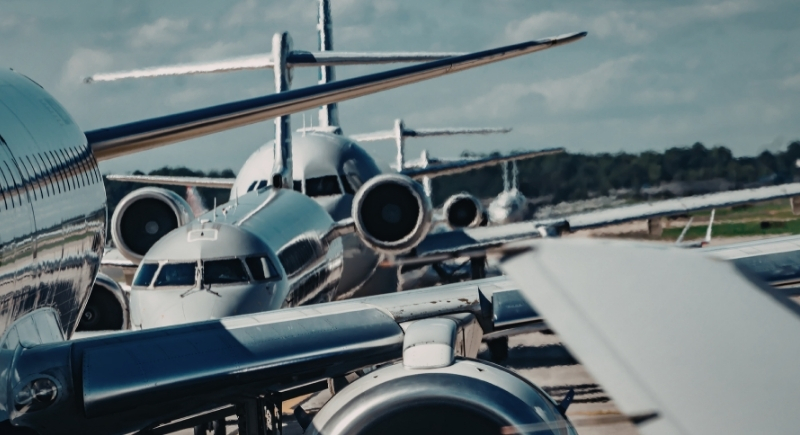
Aviation rules were built for stable travel patterns, not sudden global shutdowns. During the pandemic, airlines faced requirements written for normal seasons. Adjustments came later, but the gap meant flights continued even when seats stayed empty.
Brussels Airlines Kept the Lights On
Credit: Wikimedia Commons
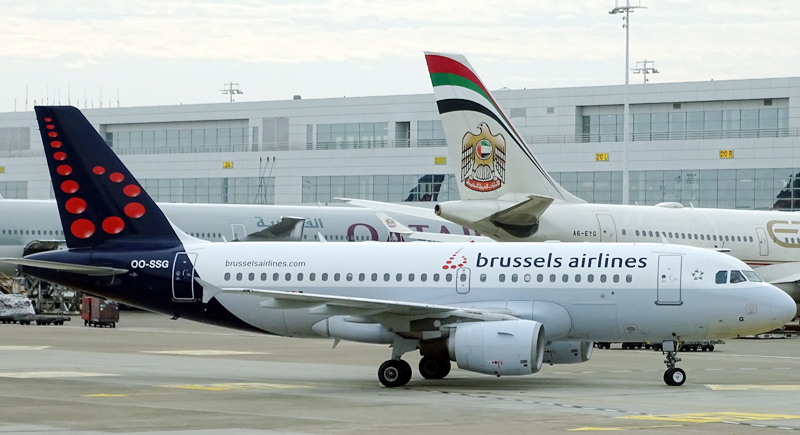
Brussels Airlines operated flights during the peak pandemic months despite weak demand. Crews needed current training hours, aircraft needed regular use, and international connections had to stay technically alive. Shutting everything down would have made restarting far more complicated once borders reopened.
Repositioning Flights Nobody Notices
Credit: pixabay
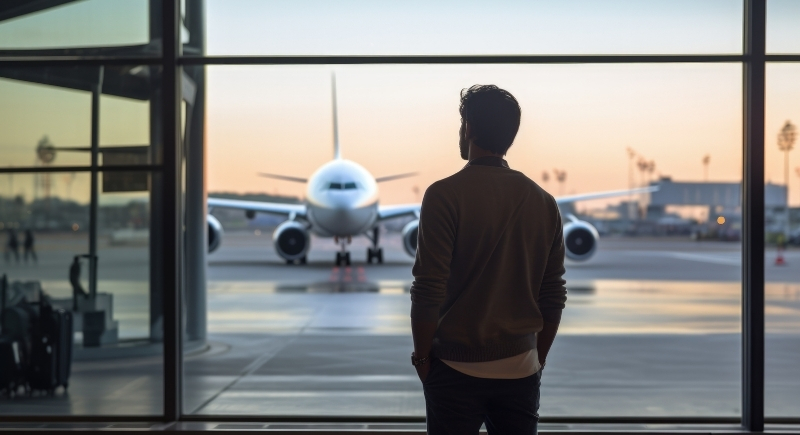
Not every ghost flight appears on a departure board. Airlines often move planes without passengers to prepare for future routes. If demand suddenly spikes in another city, having aircraft already in place saves time. These hops rarely make headlines, but they account for many empty takeoffs.
Late Rule Changes Across Europe

Credit: Getty Images
When the European Commission adjusted aviation rules, many ghost flights had already happened. Airlines welcomed the flexibility, but timing mattered. Planning cycles run months ahead, so sudden changes don’t instantly ground flights that are already staffed, fueled, and scheduled.
The Environmental Cost Adds Up

Credit: Wikimedia Commons
Environmental groups like Greenpeace highlighted the emissions impact of flying empty planes. A single long-haul flight burns tons of fuel regardless of passenger count. Multiply that across thousands of trips, and the climate math becomes uncomfortable, even for an industry used to thin margins.
Training New Aircraft Types
Credit: pexels
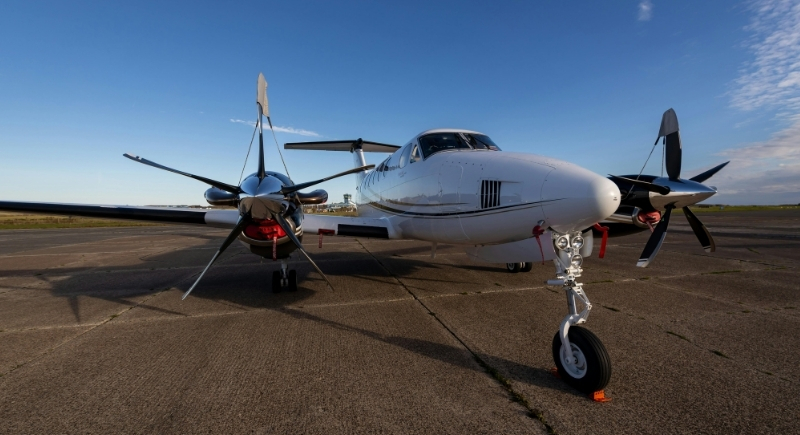
When airlines introduce a new plane model, test and training flights are required. These trips often carry few passengers, if any. Crews learn the aircraft’s systems in real conditions, and airlines gather performance data. To travelers, it looks empty. To engineers and pilots, it’s a classroom in the sky.
Why Airlines Don’t Just Cancel Everything
Credit: Getty Images
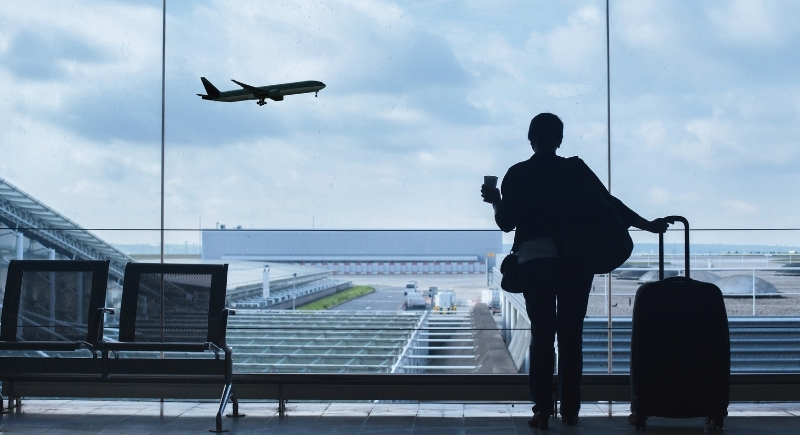
Canceling flights sounds simple, but aviation works like a moving puzzle. Aircraft rotations, crew duty limits, maintenance windows, and international agreements all connect. Pulling one flight can disrupt dozens more. Ghost flights aren’t about waste for its own sake—they’re often the least disruptive option in a very rigid system.