
Every country has a few rules that make visitors pause, reread, and wonder how they ever made it into a legal code. Some actually began as serious attempts to fix local problems, even after their purpose faded. You’d be surprised at how many of them are still present in official documents, and a couple of them are even still enforced today.
No Toilet Flushing After 10 p.m. in Switzerland

Credit: Getty Images
Older Swiss apartment buildings often have thin walls, and landlords attempt to avoid nighttime disputes by implementing strict quiet hour policies. One of those rules bans flushing toilets after 10 p.m. Tenants have reported noise complaints related to plumbing sounds, so some buildings maintain this guideline to ensure peace.
Too Many Potatoes Create Problems in Western Australia

Credit: Wikimedia Commons
A 1946 law in Western Australia limits the possession of potatoes to 50 kilograms. Officials introduced it during efforts to control the produce circulating in the black market following wartime shortages. Inspectors once had the authority to confiscate extra potatoes and issue penalties. The measure eventually lost its purpose, but it never left the legal code.
Forgetting Your Wife’s Birthday Is Punishable in Samoa

Credit: Wikimedia Commons
Samoa treats a missed birthday as more than an oversight. Husbands who forget the date can face consequences, including possible jail time if they ignore repeated warnings. Local reports mention that families take the rule seriously, and community leaders often support reminders. The law stands out because it aims to settle domestic disputes through legal channels rather than private conversations.
Reincarnation Requires State Approval in China
Credit: Wikimedia Commons
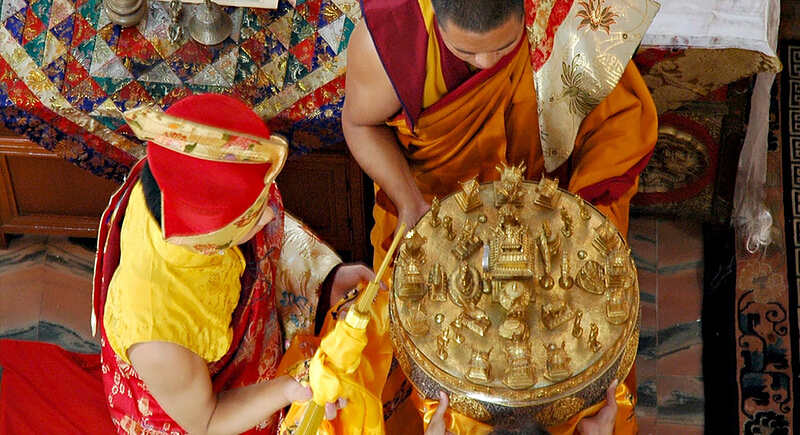
One 2007 policy requires Tibetan Buddhist monks to receive government approval before reincarnating. Authorities created this requirement to control the recognition of spiritual leaders, particularly the process that identifies successors to influential figures. On this note, monasteries must submit requests to acknowledge any rebirth.
Stepping on Money is a Crime in Thailand

Credit: Getty Images
If you step on Thai currency, you risk severe consequences. The king’s image is featured on every bill and coin, and damaging it is considered an insult to the monarchy. Even accidentally stepping on money can lead to problems, especially for tourists unfamiliar with the law. Police have stopped some visitors for precisely that.
Feeding Pigeons Brings Heavy Fines in Venice, Italy
Credit: pexels
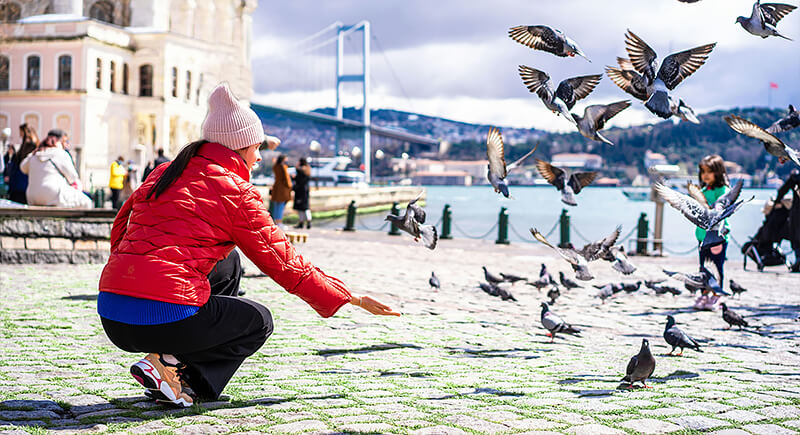
Venice banned pigeon feeding in 2008 after decades of damage caused by droppings in St. Mark’s Square. Restoration work became costly, and the government grew concerned about the impact on historic stonework and statues. Fines can reach €700 for anyone caught handing out crumbs. Consequently, city staff patrol busy areas because travellers still attempt it.
Apologies Once Counted as Legal Admissions in Canada

Credit: Getty Images
Before the Apology Act was passed in 2009, courts in some Canadian provinces treated apologies as formal admissions of fact. Insurance claims and accident reports became complicated because many Canadians apologize out of habit, not guilt. The act separated politeness from liability and clarified that saying “sorry” no longer indicates responsibility.
Donkeys Cannot Sleep in Bathtubs in Arizona, USA
Credit: Wikimedia Commons
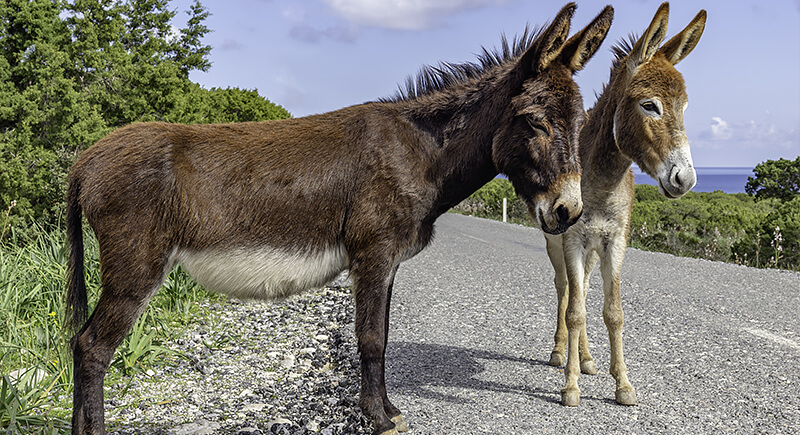
In response to a bizarre emergency, Arizona passed a law banning donkeys from sleeping in bathtubs. A flood once swept a donkey away while it rested in a tub near a dam, which sent it miles downstream. Rescue teams had to recover the animal, which prompted lawmakers to prevent a repeat.
Underwear Requirements in Thailand
Credit: Wikimedia Commons
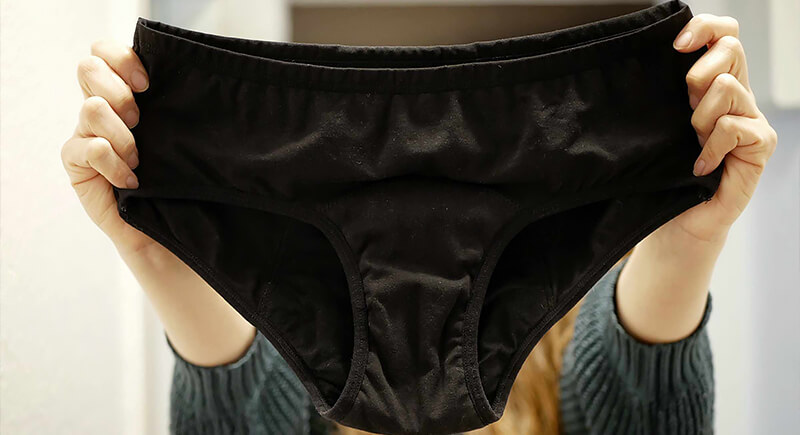
You are actually not allowed to leave your house in Thailand without wearing underwear. This restriction is part of a broader set of public decency laws designed to maintain modesty in public spaces. The people in charge introduced it to promote a respectful appearance, especially in busy urban areas. Although enforcement varies, the regulation remains a topic of legal reference.
Selfies With Tigers are Banned in New York, USA
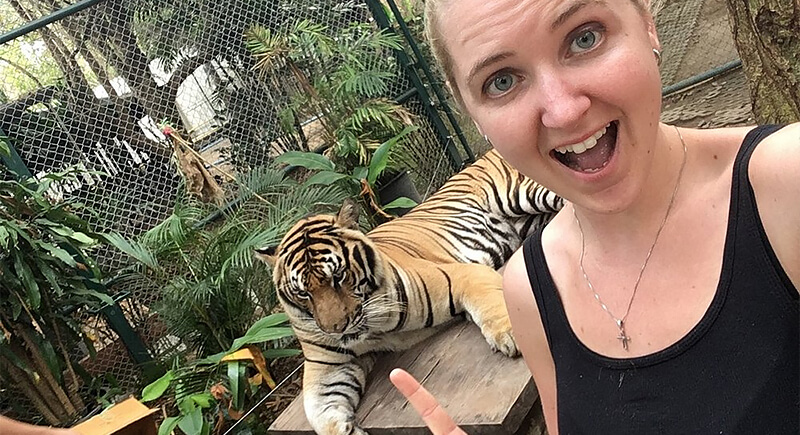
Credit: Tripadvisor
New York created a law that prohibits visitors from taking close-up photos with tigers and other big cats. Lawmakers targeted attractions that used dangerous animals as props for photos. People received a $500 fine if they attempted to pose with these animals. The rule aimed to reduce injuries and discourage businesses that relied on unsafe interactions.